Mabuhay from Bohol: A Journey of Resilience, Hope, and Possibility
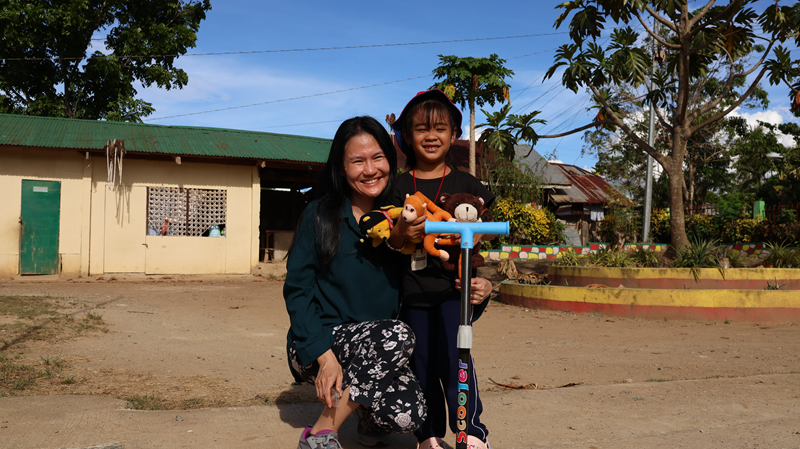
Mabuhay (mah-boo-hai)! Warm greetings from Trinidad, Bohol.
Nestled in the heart of Central Visayas, Bohol is a community where farming and fishing are the backbone of daily life. Yet behind its natural beauty lie significant challenges: limited access to financial resources, inadequate infrastructure, climate vulnerability, and persistently low agricultural incomes.
The realities are stark, malnutrition and food insecurity remain prevalent, with 4 in 10 children at risk of dropping out of school. Access to safe water is also a critical issue, with 82% of households relying on unsafe well water. Bohol faces recurring natural disasters each year, frequent typhoons, the ever-present risk of earthquakes, and, though rare, the threat of tsunamis.
Small Interventions, Transformational Impact
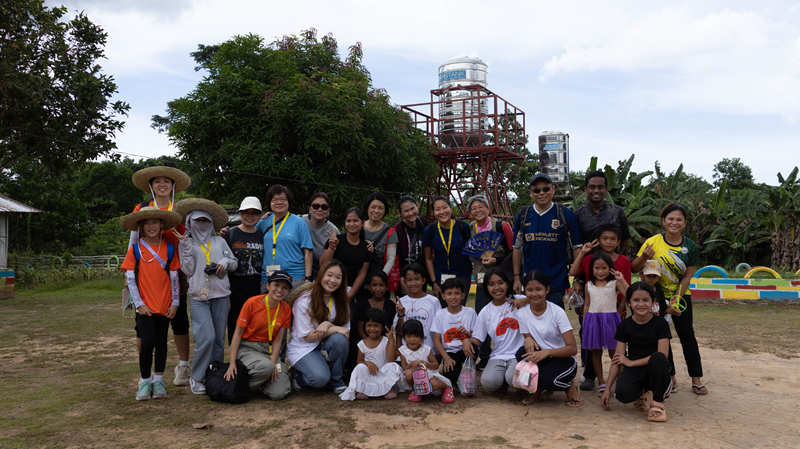
Trippers to Bohol standing in front of the water tank provided by World Vision
One uplifting moment during the visit was witnessing the clean water project supported by World Vision. At Kauswagan Elementary School, an electric pump now delivers water directly to the school grounds, sparing children the daily burden of walking long distances to fetch water. It is a simple solution, but one that has transformed daily life, improving health, attendance, and dignity for the children.
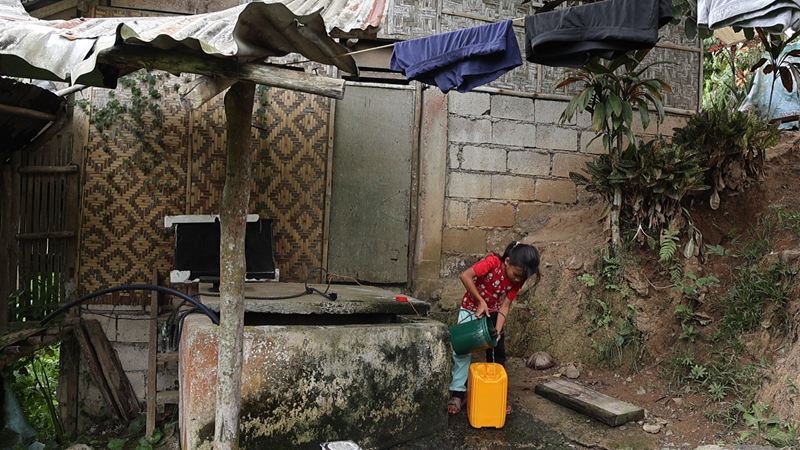
A Glimpse into Daily Life
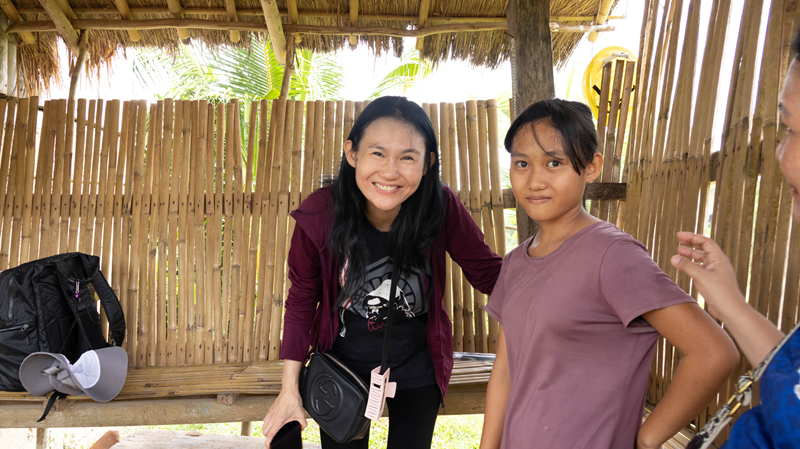
During the visit, I had the privilege of meeting the Placida family at their home. Their house, made of bamboo, wood, and corrugated metal sheets, reflects the reality faced by many low-income families in the region.
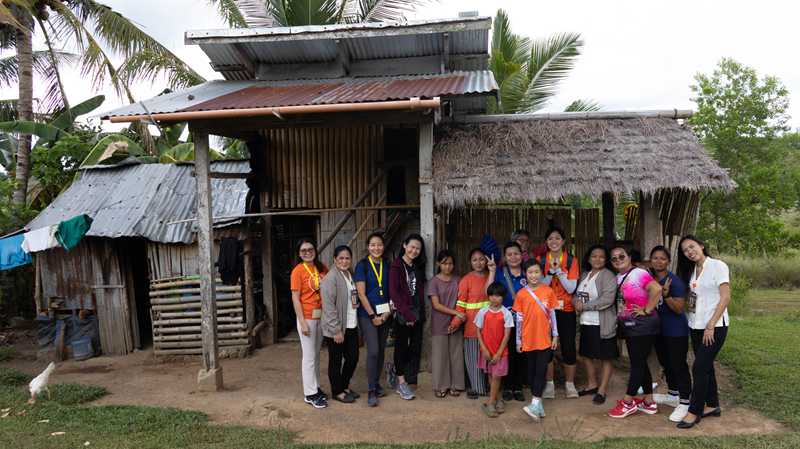
Trippers visting the most vulnerable family to understand the living conditions and challenges faced
The home has no running water or electricity. Cooking is done over firewood using basic wood-burning stoves; soot-covered pots and dirt floors are part of daily life. The toilet is located outdoors, and the family relies on solar lighting after sunset.
The family’s income is modest, the father/mother earns between ₱250–₱300 (approximately SGD 5–7) per day working in plantations/ construction. Despite these constraints, their two daughters, aged 12 and 8, walk 2–3 km each day to attend school.
Jessica with the mother of the most vulnerable family
Spending time with the family, speaking with them face-to-face, and witnessing their living conditions firsthand was a humbling experience. It brings to life the daily struggles that statistics alone cannot fully capture.
Moments of Joy and Potential
On the second day, we visited Hinlayagan Elementary School. Sitting with a group of six cheerful girls was one of the highlights of the trip. Their warmth, curiosity, and excitement were truly unforgettable.
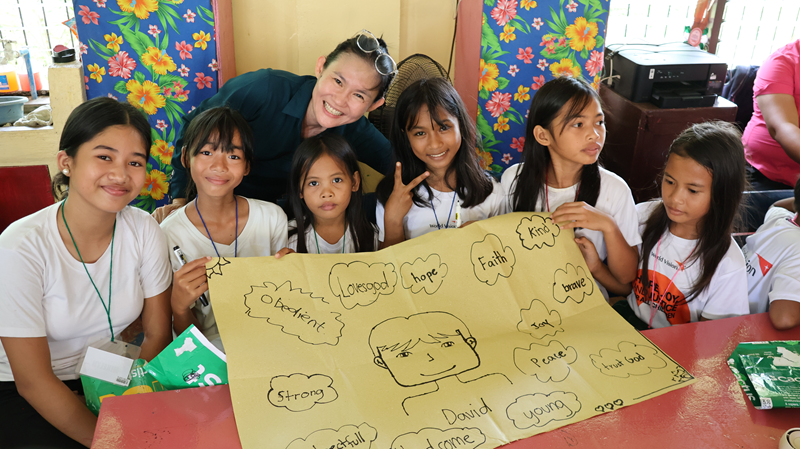
Jessica engaging the children on how they can play a part in courage and hope to uplift the community
Behind their smiles are bright, capable young minds with immense potential. With access to the right environment, education, and mentorship, they can thrive and shape a better future, not only for themselves, but for their families and communities.
Engaging with them, learning about their lives, and simply sharing moments of laughter reinforced the importance of investing in education and opportunity.
A Story That Stays with Me
The most touching moment was meeting my sponsored child, who had just turned six. She had not celebrated her birthday, so the gifts I brought became her birthday present.
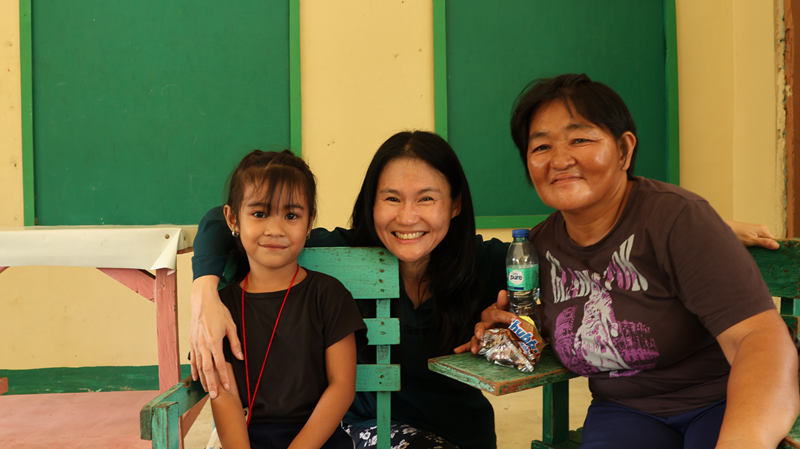
Jessica's meet up with her sponsored child and mother
Her story is one of hardship, abandoned by her father at birth, and later separated from her mother, she is now raised by her grandparents. With hardly no financial support from her parents, her grandfather is the sole provider for the household.
Yet despite these challenges, she radiates confidence and joy. Intelligent and already fluent in English at such a young age, she dreams of becoming a doctor. With the right support and opportunities, I truly believe she can achieve that dream.
Seeds of Hope, Stories of Transformation
On the final day, we met the youth leaders, who were former sponsored children from a graduating Area Development Programme. They shared powerful testimonies of how child sponsorship has transformed their lives. Many spoke about how World Vision enabled them to attend school by providing basic supplies such as books and stationery, items their families could not afford. These simple resources, often taken for granted by many, made a life-changing difference. Beyond education, the programs, workshops, and activities by World Vision helped build their confidence, courage, and hope for a brighter future.
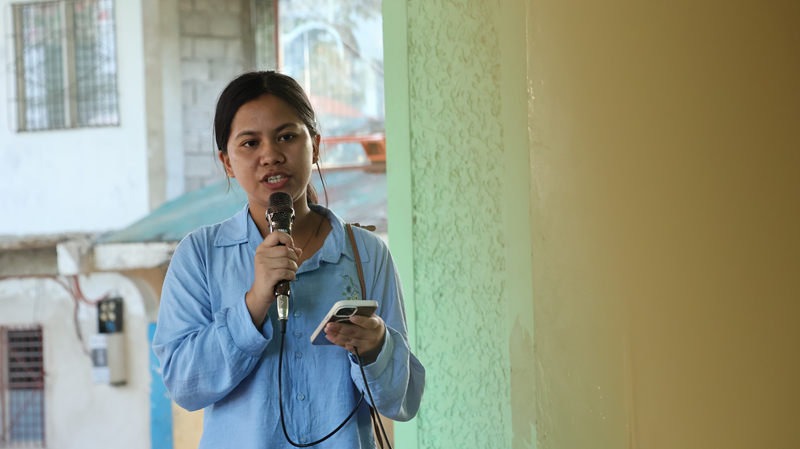
Youth leaders sharing the impact of child sponsorship that gave them the hope to dream big
It was emotional to witness their transformation into confident, articulate young adults, many of whom are now in high school or pursuing higher education. Coming from vulnerable farming families, they have risen above poverty and are now stepping into leadership roles. While their journey continues as they seek support for further studies, their resilience and determination are truly inspiring.
Their stories are a powerful reminder that even small acts of support can create lasting impact. By investing in a child’s future, we are empowering a generation to break the cycle of poverty and lead with purpose and hope.
A Shared Responsibility to Make a Difference
This journey was more than just a visit, it was a powerful reminder that none of us chooses where we are born, who our parents are, or the circumstances we grow up in. While any one individual may feel their ability to create change is limited, collective action can make a meaningful difference. By partnering with local communities and organisations like World Vision, we can help improve access to education, healthcare, clean water, and sustainable livelihoods.
World Vision’s work through initiatives such as clean water access, education programs, and child sponsorship creates lasting, positive impact. These are not just projects; they are catalysts for transformation, enabling children and families to build brighter, more sustainable futures.