
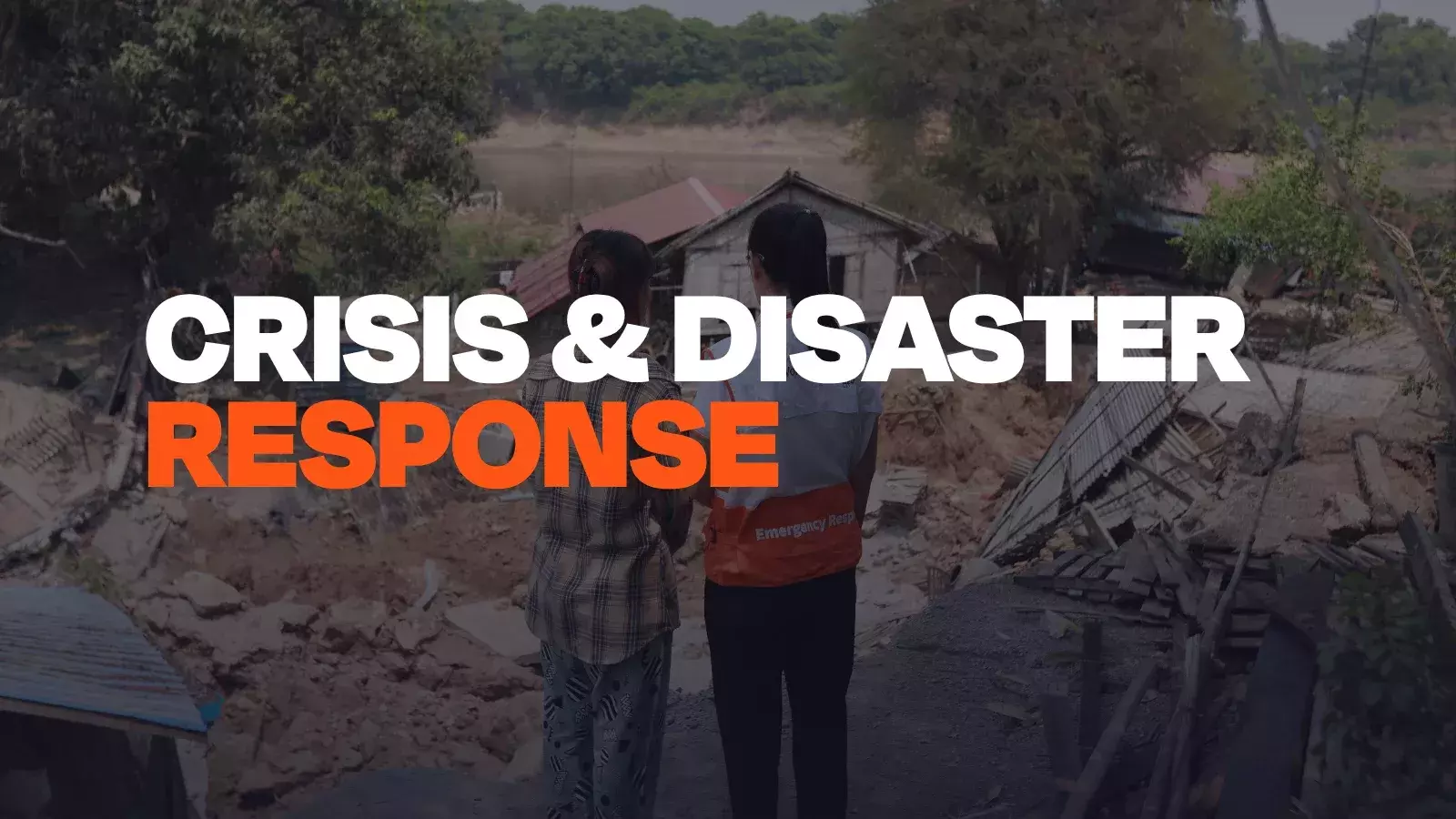
Provide Life-Saving Support to Children Facing Crises and Disasters
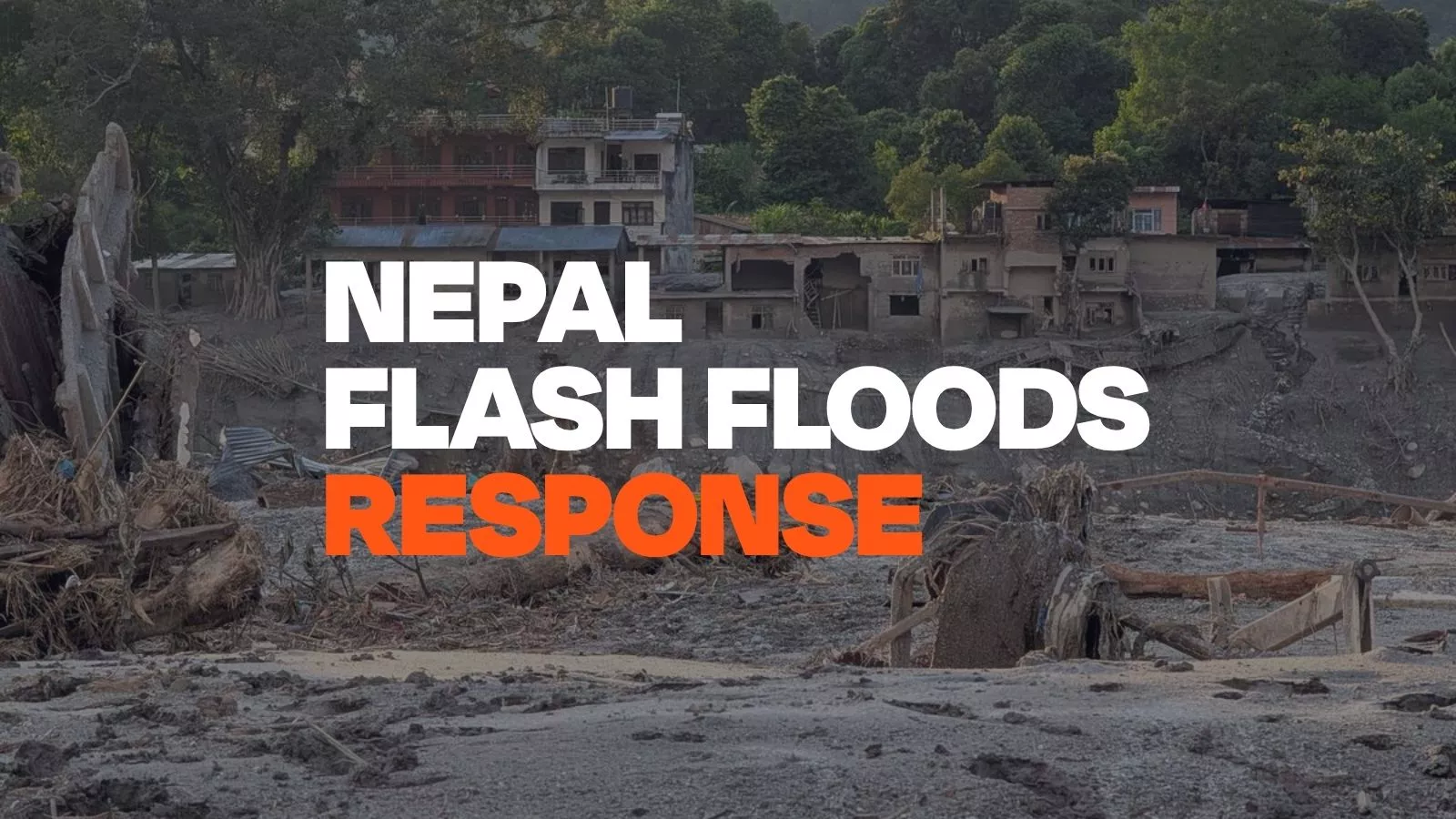
Provide Life-Saving Aid to Children and Families Caught in Disaster
Devastating flash floods tore through Rasuwa and Nuwakot in northern Nepal on 26 August 2026, claiming more than 600 lives, with hundreds still missing. Homes bridges and critical infrastructure were washed away in an instant, displacing families and cutting communities off from electricity, communication and essential services. Approximately 10,000 households require immediate humanitarian assistance, and an estimated 17,000 children have been affected by the floods.
Your Support Can Impact Lives In These Places
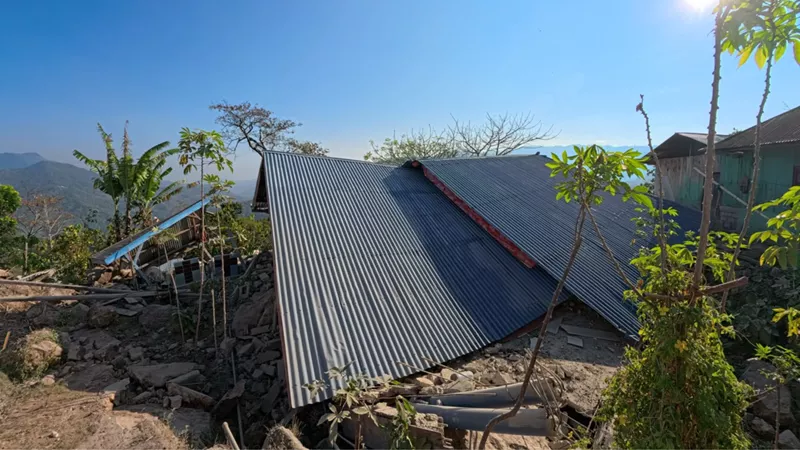
Earthquake Response in Indonesia
Relief and recovery aid that will provide emergency shelter kits, non-food items, clean water, hygiene kits, child protection and child-friendly spaces for the children and families affected by the 7.7 magnitude earthquake that just struck Flores on 15 August 2026
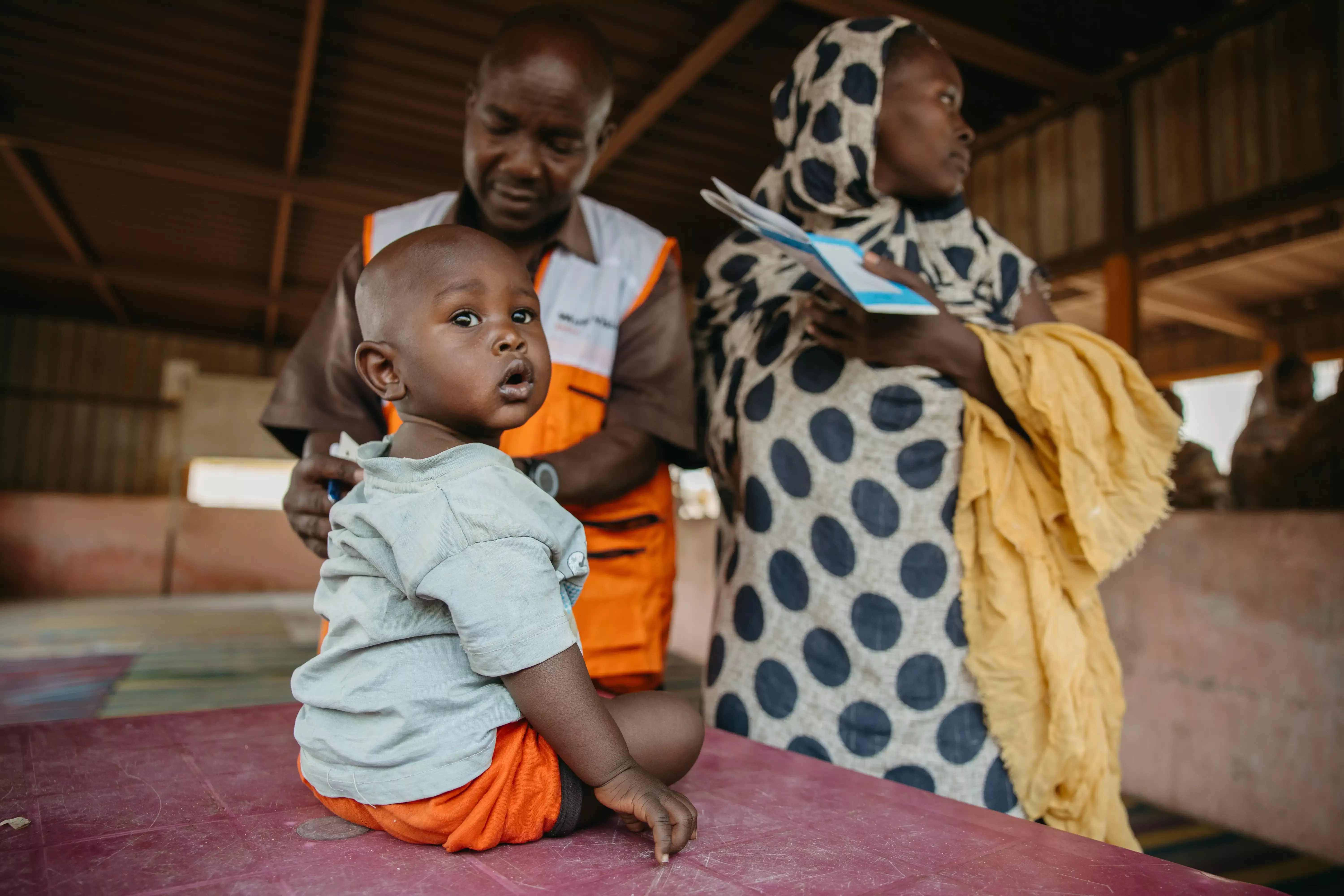
Hunger Crisis Response & Famine Prevention in South Darfur, Sudan
Food assistance for households with children under 5 years, and pregnant and lactating mothers facing acute malnutrition to reduce the risk of malnutrition and famine.
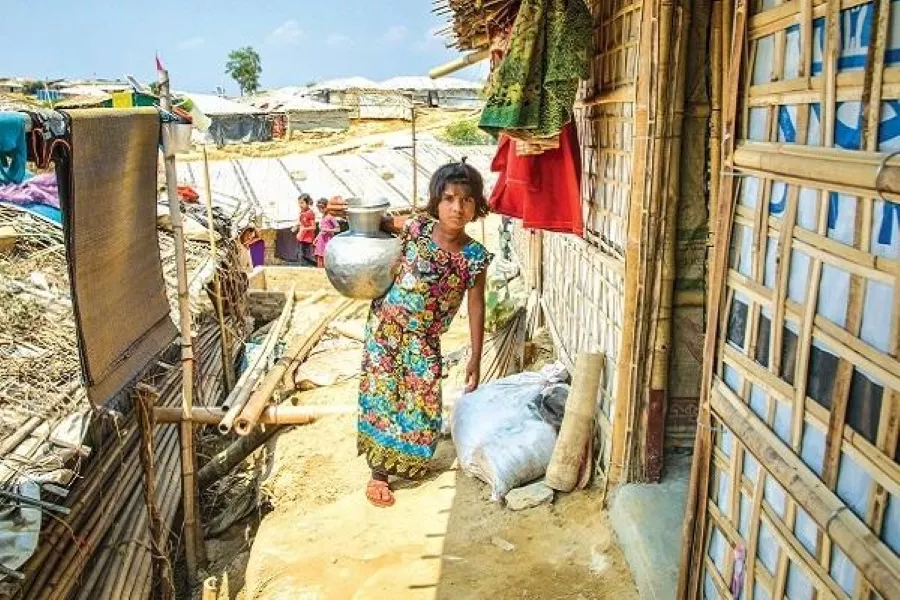
Education and Clean Water for Rohingya Refugees
Improve clean water access, sanitation and hygiene through provision of latrines, handwashing faciliites and water filtration tables. Provide education support through community-based learning facilities and vocational training for Rohingya refugee children.
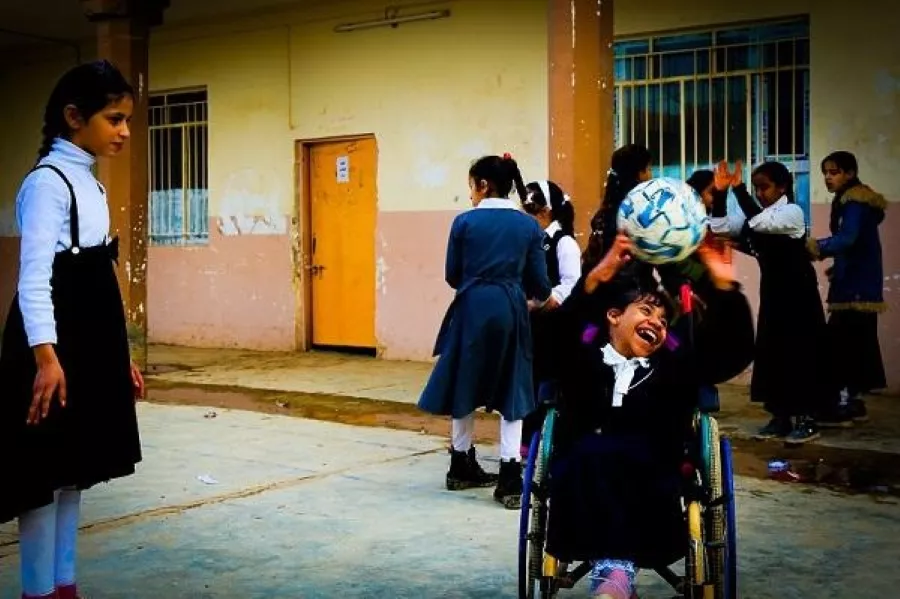
An Inclusive Future for Children with Disabilities in Iraq
Provide specialised learning support for children affected by conflict and exclusion.
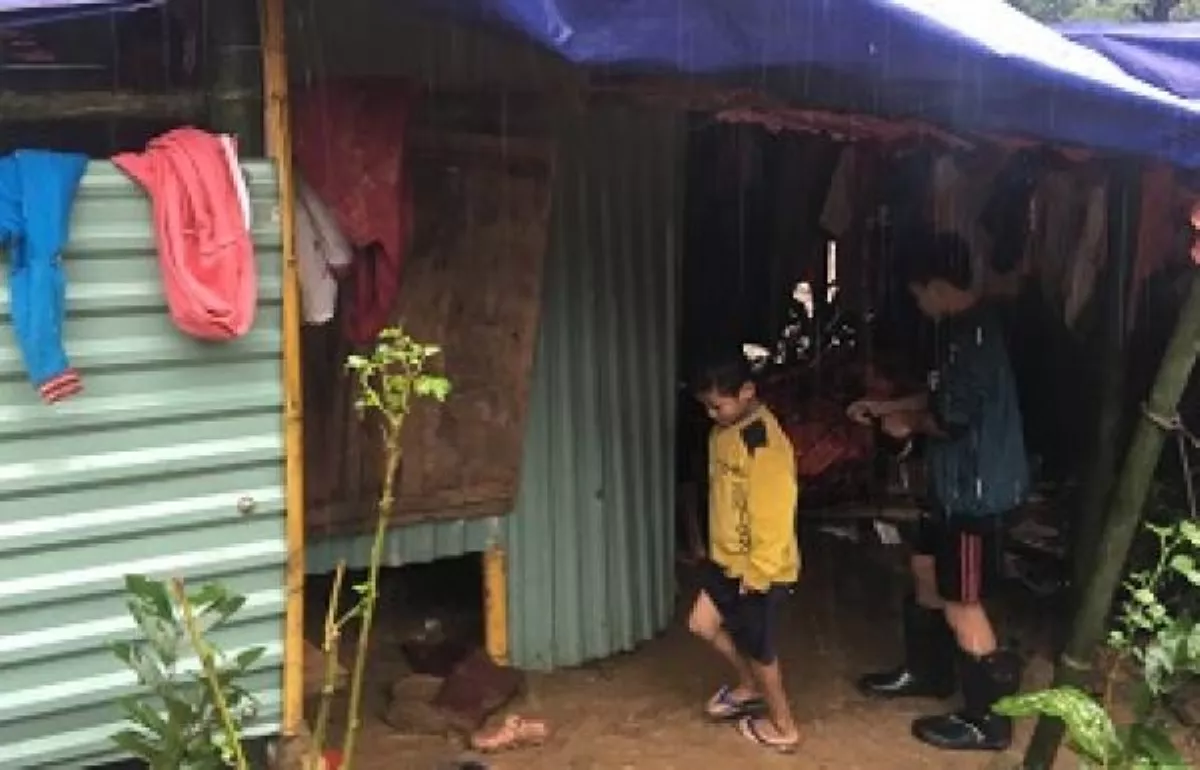
Rebuilding Homes Post-Typhoon in Vietnam
Building disaster-resilient homes with essential safe water and latrine facilities for families affected by Typhoon Yagi
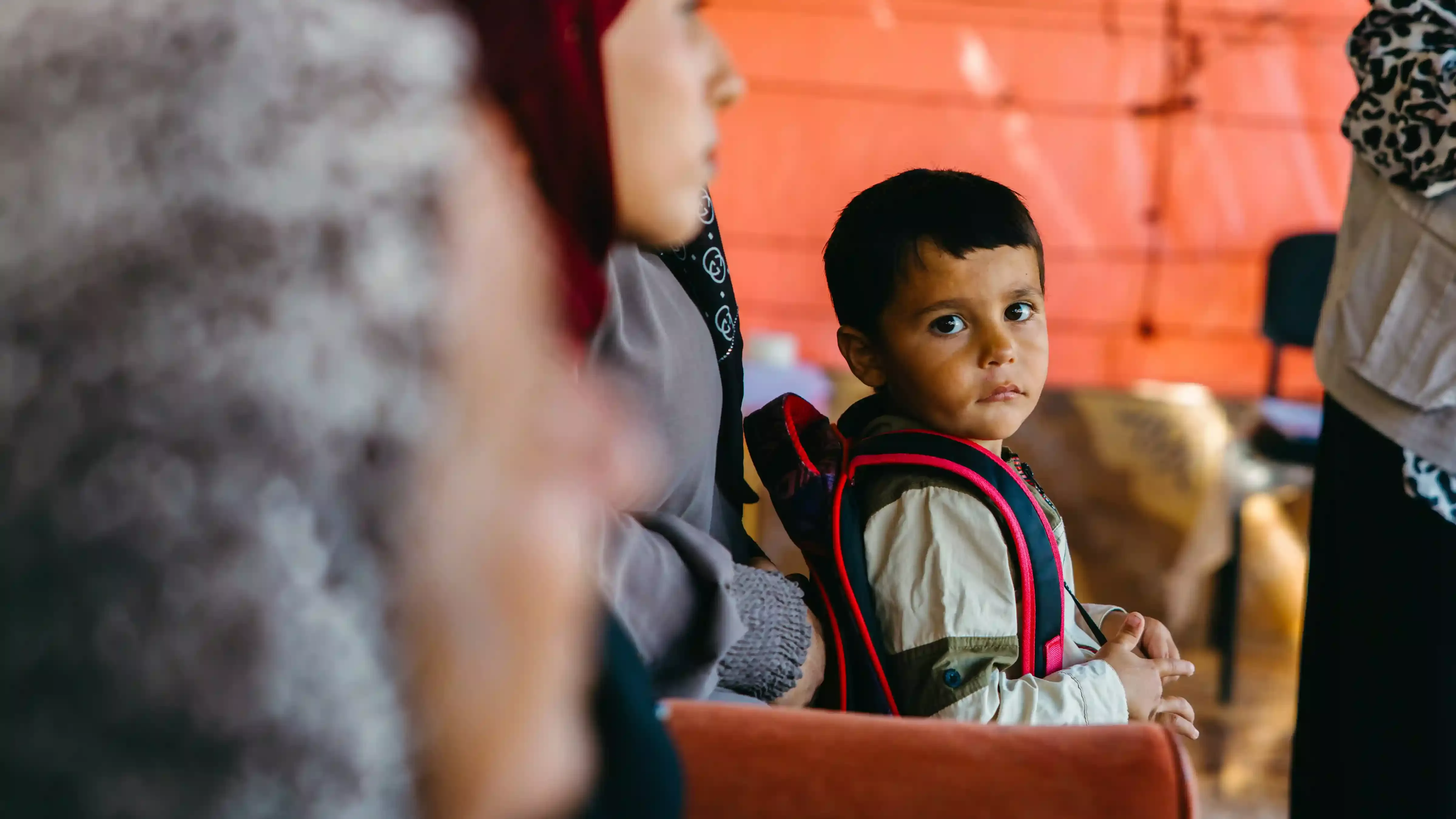
Middle East Crisis Response
World Vision has been working in the Middle East for over 50 years. Our teams are on the ground responding with life-saving support to reach the most vulnerable children and families. Your support is critical in delivering timely essentials such as food, clean water, healthcare, and psychosocial support. Your help brings safety and comfort to children and families who need it most.
We Support Their Recovery
Before, during and after emergencies, we are there. With decades of experience in the world’s most fragile places, we have built the capacity to support children and their communities not just to survive crises and disasters, but to move forward with strength.

Survive
World Vision is among the first to respond - delivering food, water, medicine, and shelter within 24 to 72 hours.

Recover
Through psychosocial support and safe spaces, we help children recover from the trauma of conflict or disaster.

Build
We help communities prepare for floods, droughts & crises by improving infrastructure and providing emergency training.
Stories of Crisis & Disaster Response

Over 18,000 People Reached After the Earthquake in Southern Mindanao, Philippines

Nepal Flash Floods Response: One Month On

Over 543,000 People Reached Through the Middle East Crisis Response

Over 16,000 People Reached After the Flores Earthquake

When Everything Was Swept Away: Stories of Survival from Nepal Flash Floods 2026

Over 17,000 People Received Relief Aid in Eastern Afghanistan Earthquake

Rebuilding Lives After the Floods in Sri Lanka

From Mandalay to Yangon: What I Witnessed Changed Me Forever

The Life of a Child Surviving the Myanmar Earthquake
Frequently Asked Questions
Having a Disaster Response Fund ready to use, the global pre-positioning resource network ensures we can respond rapidly to any disaster, with pre-positioned supplies (seven warehouses strategically-located worldwide), preparedness plans and trained staff worldwide.
Community development programmes include training in disaster preparation and prevention (e.g. first aid, how to respond to a disaster, improving the construction of buildings, developing early warning systems, and mapping potential threats and vulnerable areas).
World Vision is a signatory to the Red Cross Code of Conduct – we commit to assisting people irrespective of ethnic, religious or political affiliations. Our emergency projects are in line with the Sphere Project’s Humanitarian Charter and Minimum Standards in Humanitarian Response, which outline internationally-recognised minimum standards for emergency response. As a member of the Humanitarian Accountability Partnership (HAP), we are also accountable to communities in our emergency response.
Children: In the context in which World Vision works, children are in greatest need of protection from further injury, disease or neglect, with assured attention to their basic needs, including psychosocial needs. While World Vision prioritises families in distribution and livelihood initiatives, our child-friendly spaces also provide children a safe place to play, begin emotional healing and re-establish a normal routine.
Relief supplies: In addition to shelter, food and water, assessment of other needs is pivotal to ensure that our response also facilitates long-term physical relief.
Education: Our field staff aims to improve vulnerable children’s well-being with both formal and informal education, which includes life-skills training, and more.
Psychosocial support: Conflicts and disasters cause significant psychological and social suffering. Therefore, we protect and improve people’s mental health and psychosocial well-being by reducing the effects of disasters through psychosocial services.
Health & nutrition: Another priority is to save lives, alleviate suffering and promote the return to normalcy by addressing the health and nutritional needs of the affected.
Shelter: Exposure to cold, rain or mosquitoes can be life-threatening, while the lack of privacy, loss of belongings, and inability to provide for affected children is extremely distressing for displaced communities. Tents or tarpaulins help to protect families while more permanent structures (that can withstand possible future disasters) are rebuilt.
Water & sanitation: Water and sanitation are critical, as victims are much more susceptible to illness (e.g. diarrhoea) and death from diseases which rise from the inadequacy of sanitation and clean water supplies. Using contaminated water for washing can also aggravate injuries and infections. Water purification and other solutions for will therefore limit diseases and save lives.
HIV/AIDS: It is vital that HIV/AIDS interventions are integrated into the structure of all disaster response programmes to ensure that HIV/AIDS victims are not made more vulnerable.
Protection: Humanitarian protection is about respect for the fundamental rights of people, for their safety, dignity and integrity as human beings.
Our quick response does not undermine our focus to help effect long-term solutions. We assist victims to transit from the relief phase to the recovery and rebuilding phase. The latter includes permanent housing, clean water, sustainable sources of food, access to education, and re-established livelihoods. Our global risk reduction strategy educates communities, down to family-level disaster preparedness, and instills community-based disaster risk management programmes.

An estimated 1 in 11 children around the world needs humanitarian support due to conflict, hunger, and climate disasters.