

Prolonged conflict and insecurity across Lebanon and the West Bank in 2026 have displaced families, disrupted essential services and placed children’s safety, well-being and futures at risk.
Working alongside local partners, community leaders and humanitarian organisations to deliver life-saving assistance and critical services, World Vision has reached 543,968 people, including 288,330 children, across Lebanon and the West Bank. Our response has helped families meet urgent needs while supporting children’s protection, education and emotional well-being amid a prolonged crisis.
In Lebanon: 218,203 People Reached including 76,371 Children
Providing Food and Essential Relief Supplies
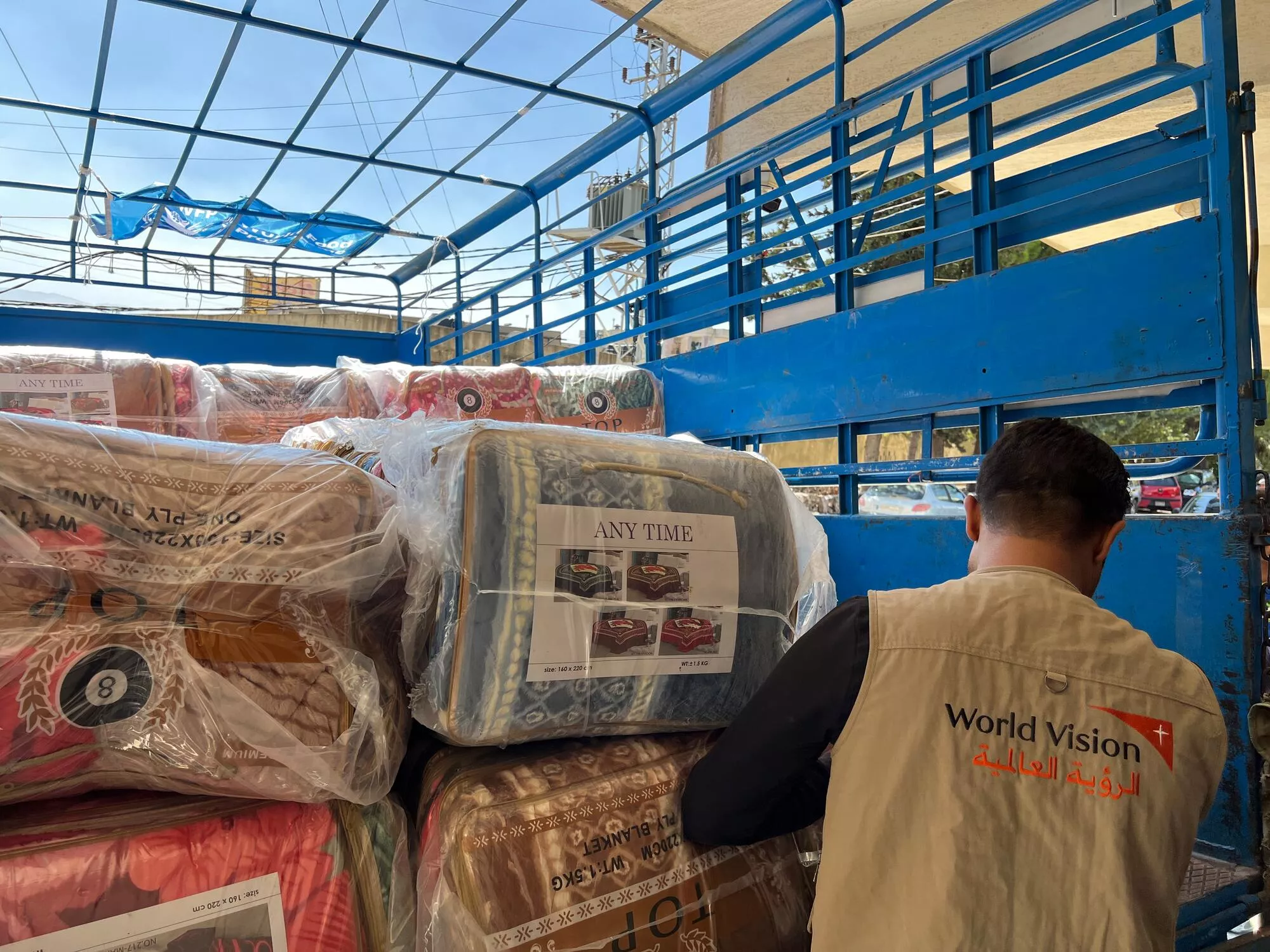
For families displaced from their homes or struggling to meet their daily needs, access to food and basic household supplies has offered vital support during periods of crisis and uncertainty.
- More than 2.5 million hot meals were distributed to displaced and vulnerable families.
- 1,262 ready-to-eat food items and more than 126,000 nutritious snacks were provided to households requiring immediate food assistance.
- 10,530 blankets and 9,660 mattresses were distributed, helping displaced families improve their living conditions and find greater comfort while away from home.
Bringing Safe Water and Hygiene Support to Families
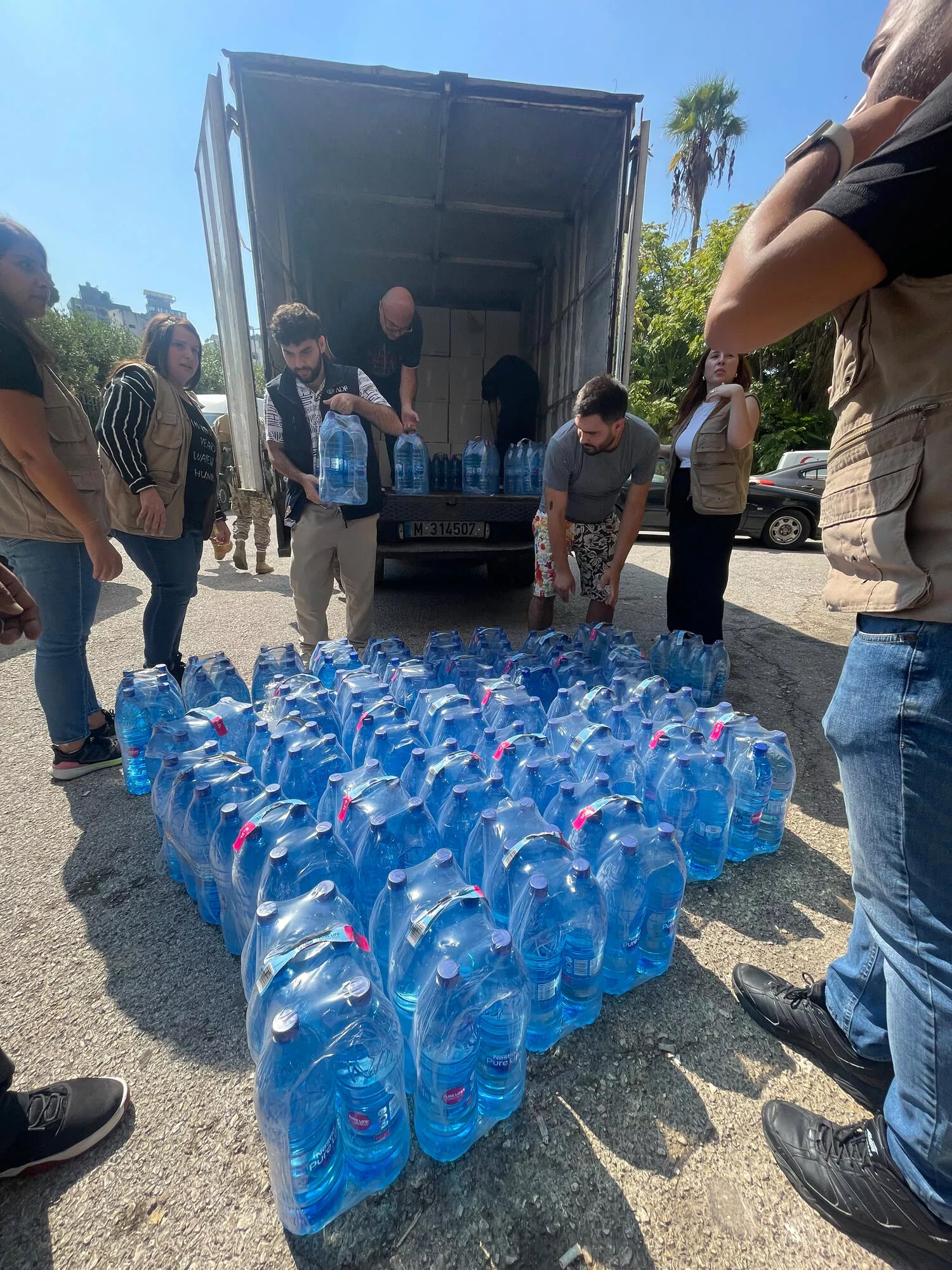
Damage to water systems and increased pressure on public infrastructure left many families without reliable access to safe water and sanitation. World Vision helped communities meet these essential needs and reduce the risk of illness.
- 16,152 cubic metres of safe water were delivered through emergency water trucking operations.
- 12,979 family hygiene kits and 3,629 menstrual hygiene kits were distributed, providing families with essential supplies to maintain their health, hygiene and dignity.
- 450 latrines were rehabilitated, improving sanitation, safety and dignity for families living in collective shelters.
Helping Families Access Essential Healthcare
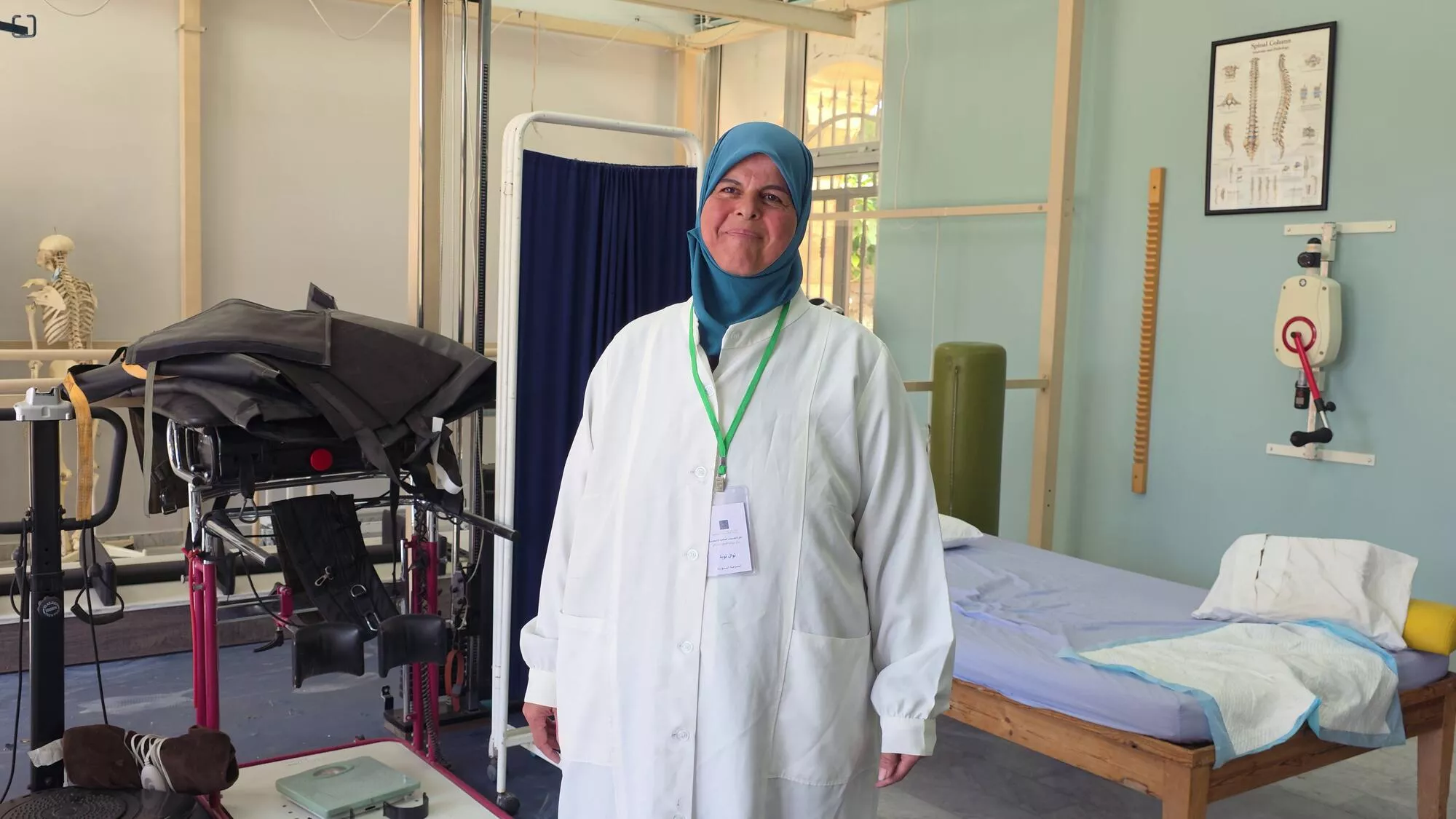
Conflict and displacement disrupted access to healthcare when families needed it most.
- 6,522 people accessed primary healthcare services, including medical consultations, medicines, referrals and health awareness activities.
Helping Children Cope with Conflict and Displacement
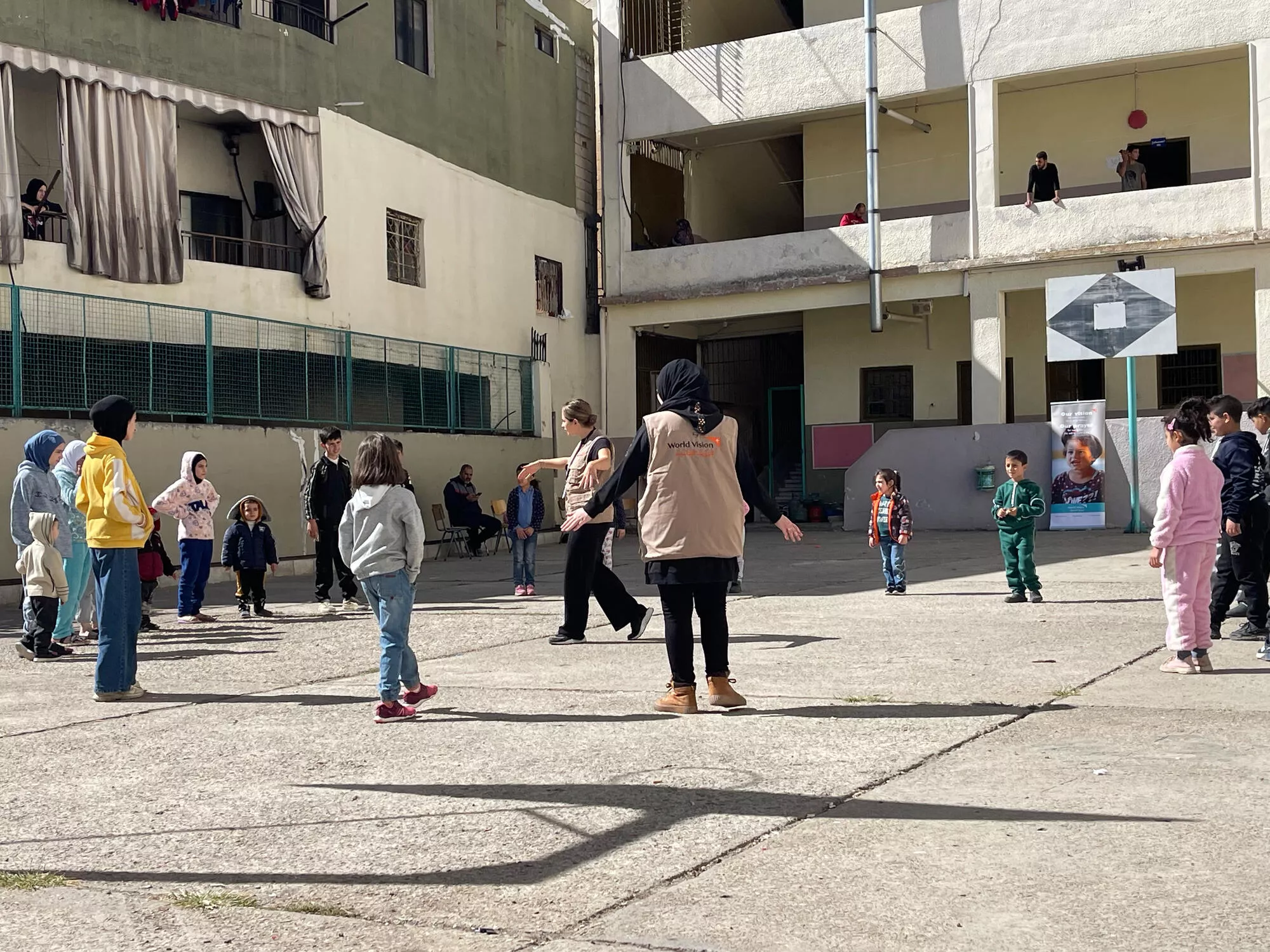
For children living through conflict and repeated displacement, recovery involves more than meeting physical needs. Safe and structured activities gave children opportunities to play, learn, reconnect with others and receive support as they processed what they had experienced.
- 53,335 children participated in psychosocial support activities to help them cope with stress, uncertainty and the emotional effects of conflict and displacement.
- 22,279 children took part in structured recreational programmes designed to strengthen emotional well-being, resilience and positive social connections.
- 105 education kits were distributed to help children continue learning amid displacement and school disruptions.
In West Bank: 325,765 People Reached including 211,959 Children
Helping Families Meet Their Most Urgent Needs
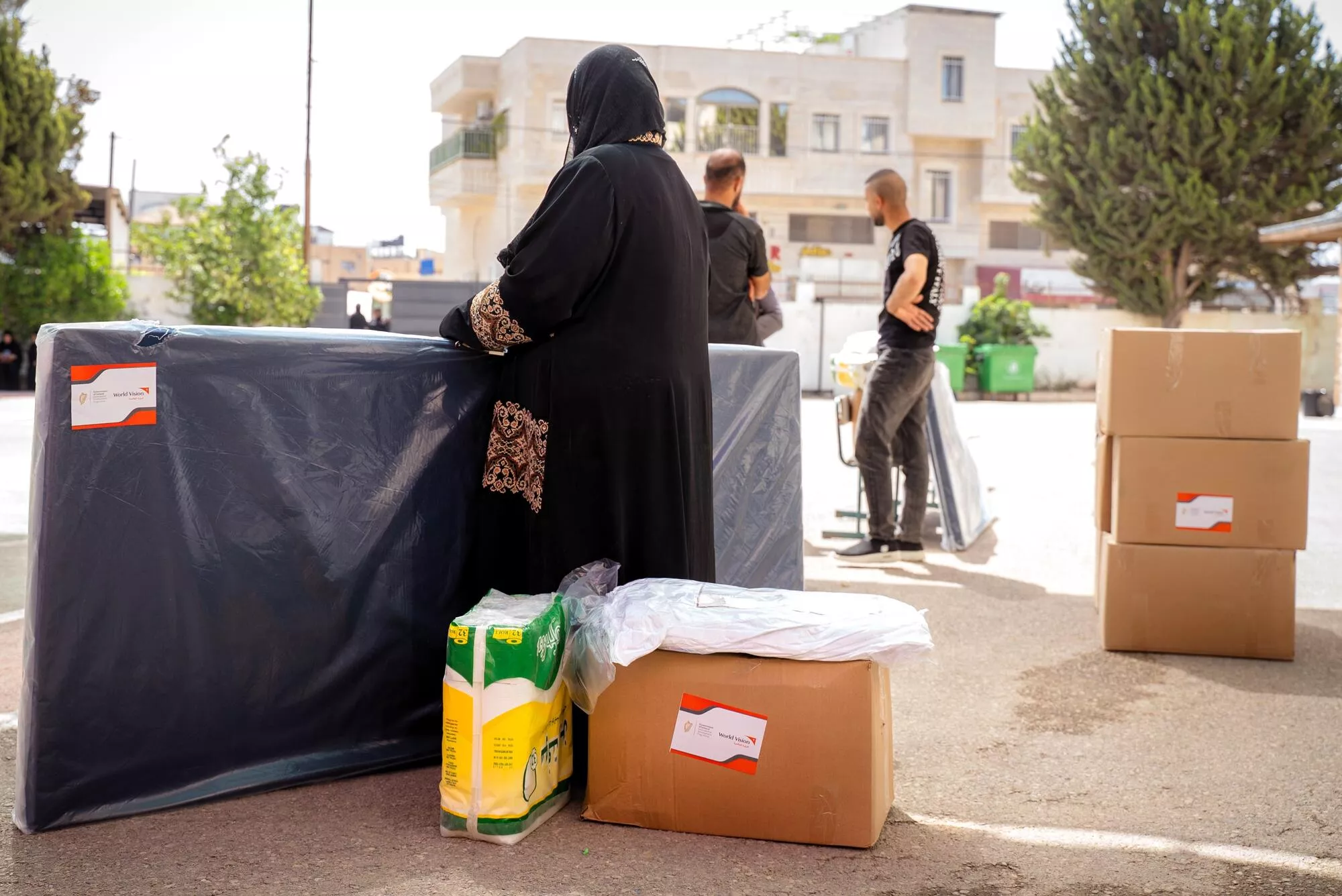
Cash, vouchers and essential household supplies gave vulnerable families the flexibility to address their most pressing needs as movement restrictions, displacement and economic hardship placed increasing pressure on household resources.
- 2,332 people received emergency assistance through cash, vouchers and essential non-food items.
- 884 people received multipurpose cash assistance and vouchers to meet priority household needs.
- 1,448 people received essential non-food items to help address immediate practical needs.
Supporting Children’s Mental Health and Emotional Well-Being
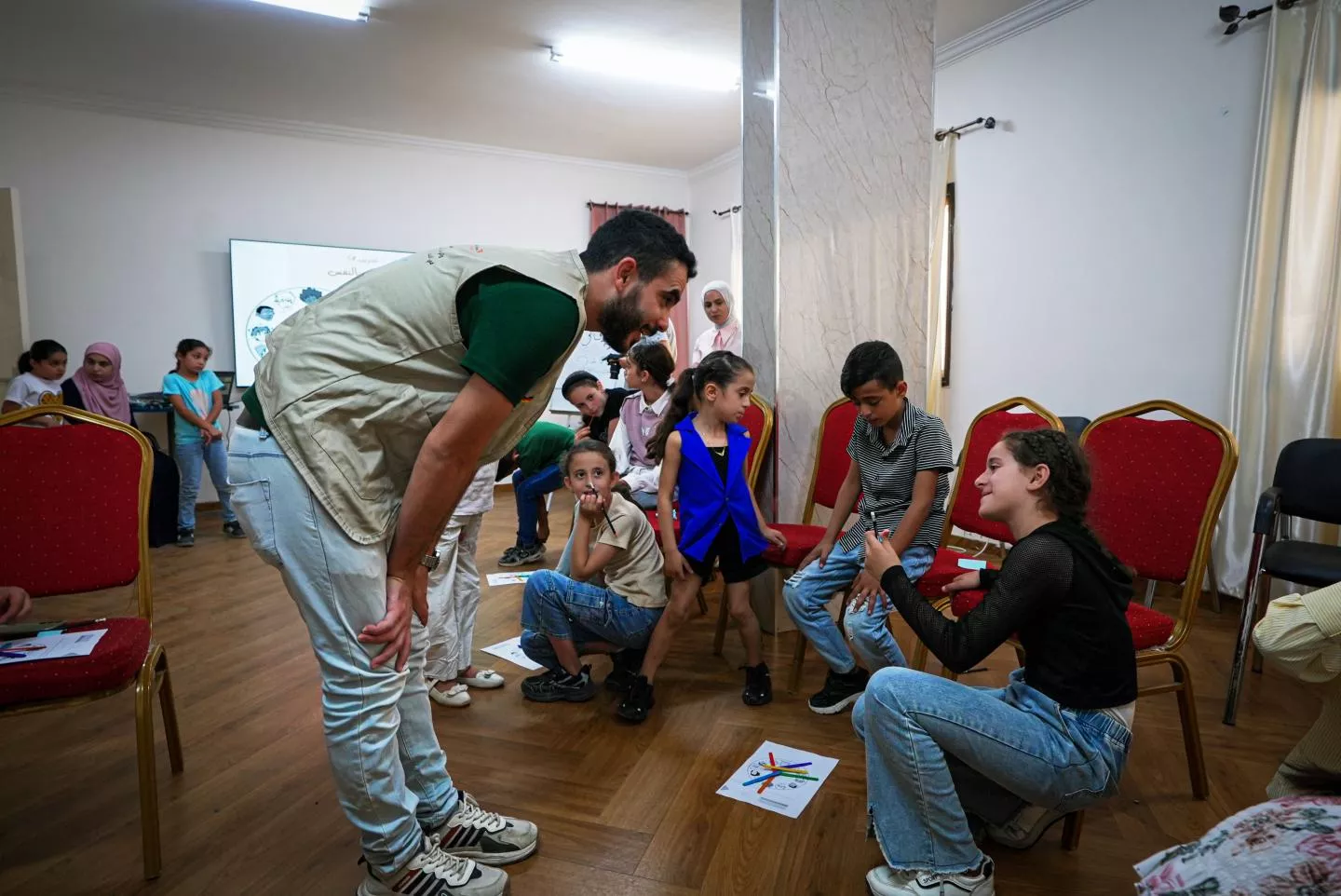
Children have faced fear, uncertainty and repeated disruptions to their daily lives. Mental health and psychosocial support helped children and caregivers develop positive ways to cope, while safe play activities gave children space to learn, connect and feel like children again.
- 15,178 children and caregivers participated in mental health and psychosocial support sessions.
- 33 people were trained to provide psychosocial support and referral services, expanding access to community-based care.
- 8,508 people were reached through awareness activities that improved their knowledge of available mental health services and support pathways.
- 14,041 children participated in safe play and social-emotional learning activities that promoted resilience, emotional well-being and positive social interaction.
- 3 safe play areas were built or rehabilitated to provide children with spaces for learning and recreation.
Strengthening Community Protection and Emergency Preparedness
With communities facing persistent insecurity, World Vision helped strengthen safe spaces and local preparedness so children and families would be better protected during emergencies.
- 33,425 children and adults benefited from the construction, rehabilitation and equipping of 110 safe community spaces supporting protection and emergency preparedness.
- 14,597 people benefited from disaster risk reduction tools, equipment and household preparedness support.
- 11 village councils, 26 local civil defence units and 55 households received tools and equipment to strengthen emergency preparedness and household safety.
- 2 firefighting vehicles were provided to support first responders during emergencies.
Keeping Healthcare Available During Emergencies
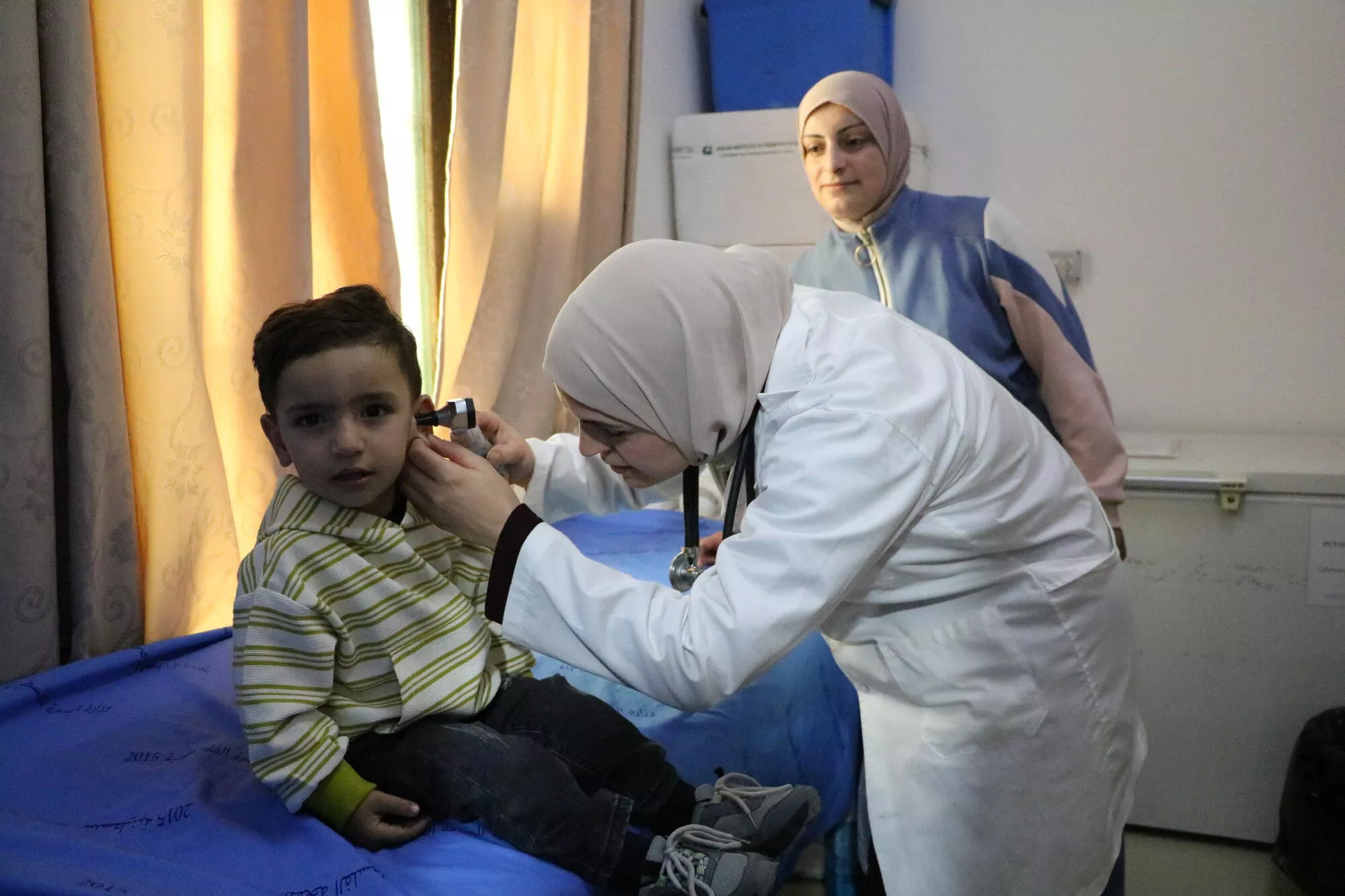
Movement restrictions and disruptions to essential services made it increasingly difficult for vulnerable families to obtain timely healthcare. Support for primary health centres and stabilisation points helped keep critical services available.
- 98,940 people benefited from healthcare services delivered through supported primary health centres and stabilisation points.
- 8 primary health centres and 37 stabilisation points were rehabilitated and equipped with medical supplies and equipment, helping sustain life-saving healthcare during emergencies and periods of restricted movement.
- 26 healthcare workers received training to strengthen emergency preparedness and improve the quality of care available to vulnerable communities.
Helping Children Continue Learning
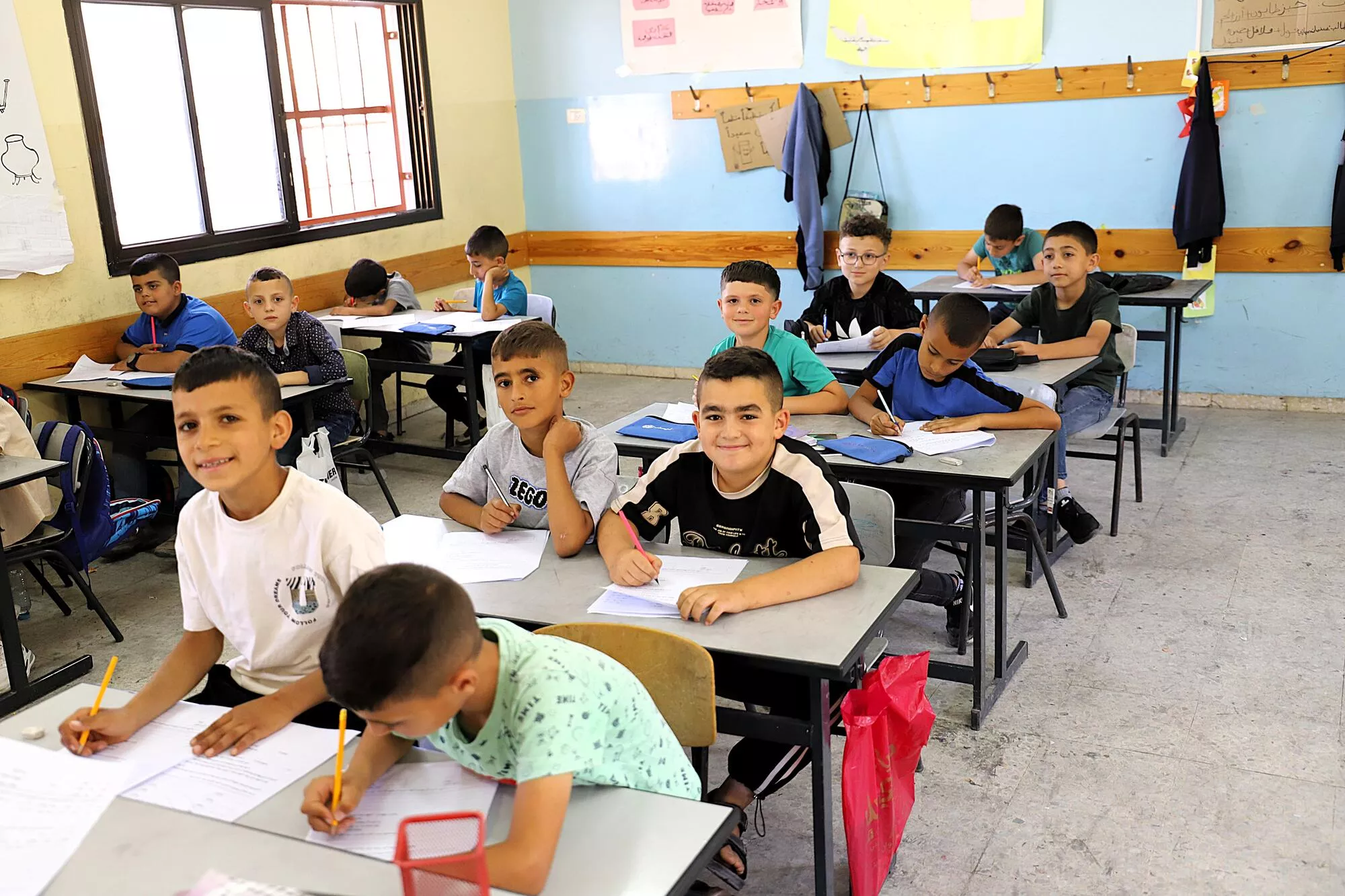
Conflict, displacement and movement restrictions have disrupted children’s education and reduced access to safe learning environments. World Vision supported schools, teachers and children to limit learning loss while strengthening children’s safety and emotional well-being.
- 127,236 children aged 3 to 18 accessed learning opportunities through World Vision-supported education programmes.
- 3,232 children received remedial education to support their learning recovery and strengthen foundational skills.
- 505 teachers were trained in psychosocial support and social-emotional learning approaches, strengthening their ability to care for children’s well-being in the classroom.
- 7,712 children benefited from safer and more accessible learning environments.
- 22 schools established safety plans to strengthen emergency preparedness and risk management.
- 17 schools received emergency preparedness tools and training.
- 37 schools and kindergartens were rehabilitated to improve safety and accessibility.
Helping Children Learn and Feel Safe Amid Conflict
Across the West Bank, violence, displacement and movement restrictions have disrupted children’s education and left many carrying fear and trauma. Some children were forced to change homes repeatedly, while others missed months of learning or attended schools without safe classrooms.
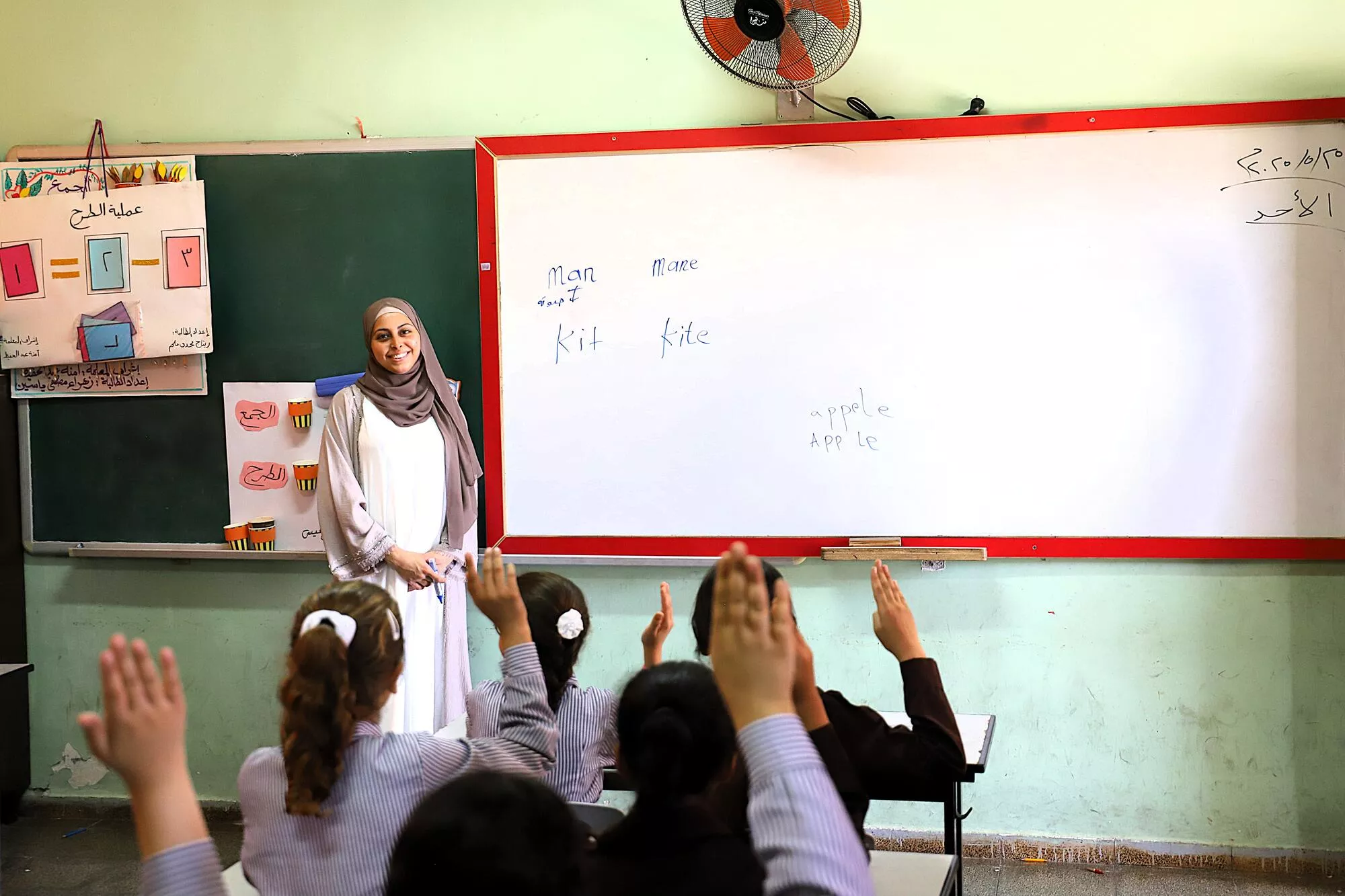
World Vision worked with schools to help children recover academically and emotionally. Teachers were trained to provide catch-up lessons and social-emotional support, while school buildings were rehabilitated and equipped to respond more safely during emergencies.
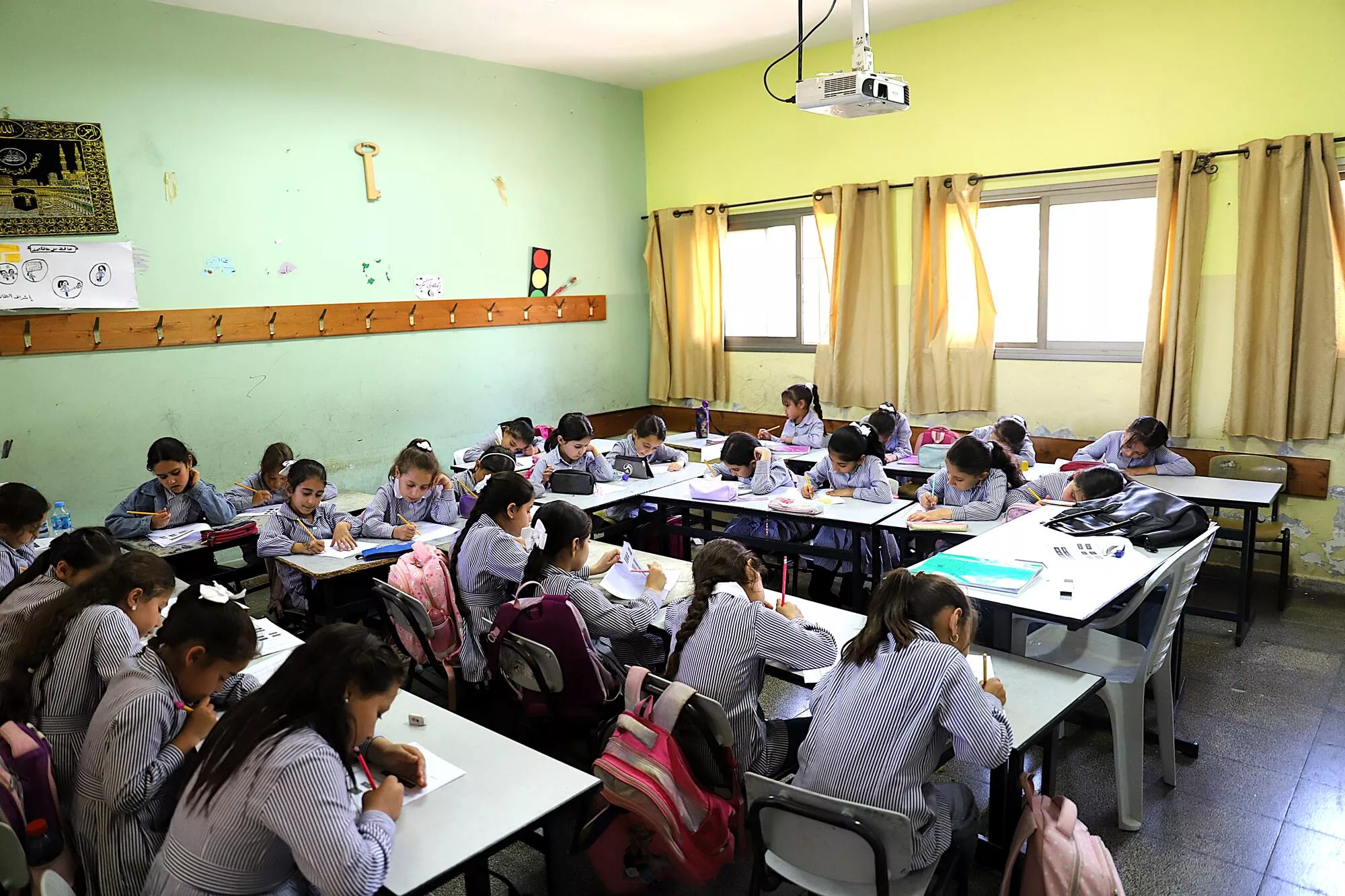
"Given the violence and trauma faced by families and children in Jenin, it was essential not only to support students academically but also emotionally. In the catch-up classes, we use fun, engaging methods to help children reconnect with learning and regain their enthusiasm for school," shared teacher Naimi Ahmad Saleh Mansour.
For 11-year-old Saeda, who was forced to move between three homes within weeks, this support helped restore some of the stability she had lost. Through art, games and storytelling, she found safe ways to express her feelings and reconnect with others.
“By the third session, we started to see a real change — she began to smile, participate, socialise and even laugh,” shared her teacher, Ms Sondos Qwzah.
The programme’s impact was also reflected in children’s learning. An independent assessment found that students achieved a 24% improvement in literacy and numeracy skills after participating in World Vision’s Catch-Up Programme. It was recognised as the most effective remedial education programme delivered by international and national organisations in the West Bank.
World Vision also rehabilitated 25 schools, benefiting 6,193 students and 496 teachers. In Jala, younger pupils who had previously studied in corridors and the schoolyard finally had a protected classroom away from harsh weather and growing security risks.
“Now I’m happy that I learn in a new classroom with real walls. It’s beautiful, and we will be warm in the winter,” shared Mohamad, a Grade 4 pupil.
His classmate Salma added, “Even though the circumstances are hard in the area, I feel much safer.”
Across the West Bank, nearly 24,000 children, teachers and caregivers benefited from safer schools, catch-up education and emotional support. For children living through conflict, this meant more than returning to their lessons. It gave them a safe place to belong, recover and begin looking forward again.
Thank You for Standing with Children and Families in the Middle East
Your support has helped families access food, safe water, healthcare and essential supplies during an immensely difficult period. It has also helped children continue learning, receive emotional support and find safe places to play and reconnect with others amid the uncertainty around them.
As the crisis continues, with more than 375,000 people remaining displaced in Lebanon and ongoing military operations and settler violence in the West Bank, World Vision remains committed to protect children, meet urgent humanitarian needs and help families navigate the long-term effects of conflict and displacement.


