

On 15 May 2026, the Democratic Republic of the Congo (DRC) declared its 17th Ebola outbreak after cases were confirmed in Ituri Province. The outbreak is caused by the Bundibugyo strain of Ebola, for which no approved vaccine or treatment currently exists.
What began in Ituri Province rapidly spread across eastern DRC, affecting five more provinces. As of 13 October, more than 9,144 confirmed cases and 4,410 deaths have been reported, with population movement, insecurity, artisanal mining and cross-border trade fuelling transmission.
The outbreak has deepened hardship in a region already facing armed conflict, displacement, hunger and limited healthcare. While Ebola remains a deadly disease for all age groups, the youngest children face the highest rate of fatality.
World Vision’s Ebola outbreak response is focusing on risk communication and risk management, water and sanitation, protection, food security and livelihood activities in North Kivu, South Kivu, and Ituri.
Your support has enabled World Vision to reach over 1.17 million people in life-saving Ebola prevention and response activities, including 426,261 children.
Providing Hygiene Supplies and Protective Equipment
Access to handwashing facilities, disinfectants and protective equipment helped communities and healthcare workers put prevention measures into practice.
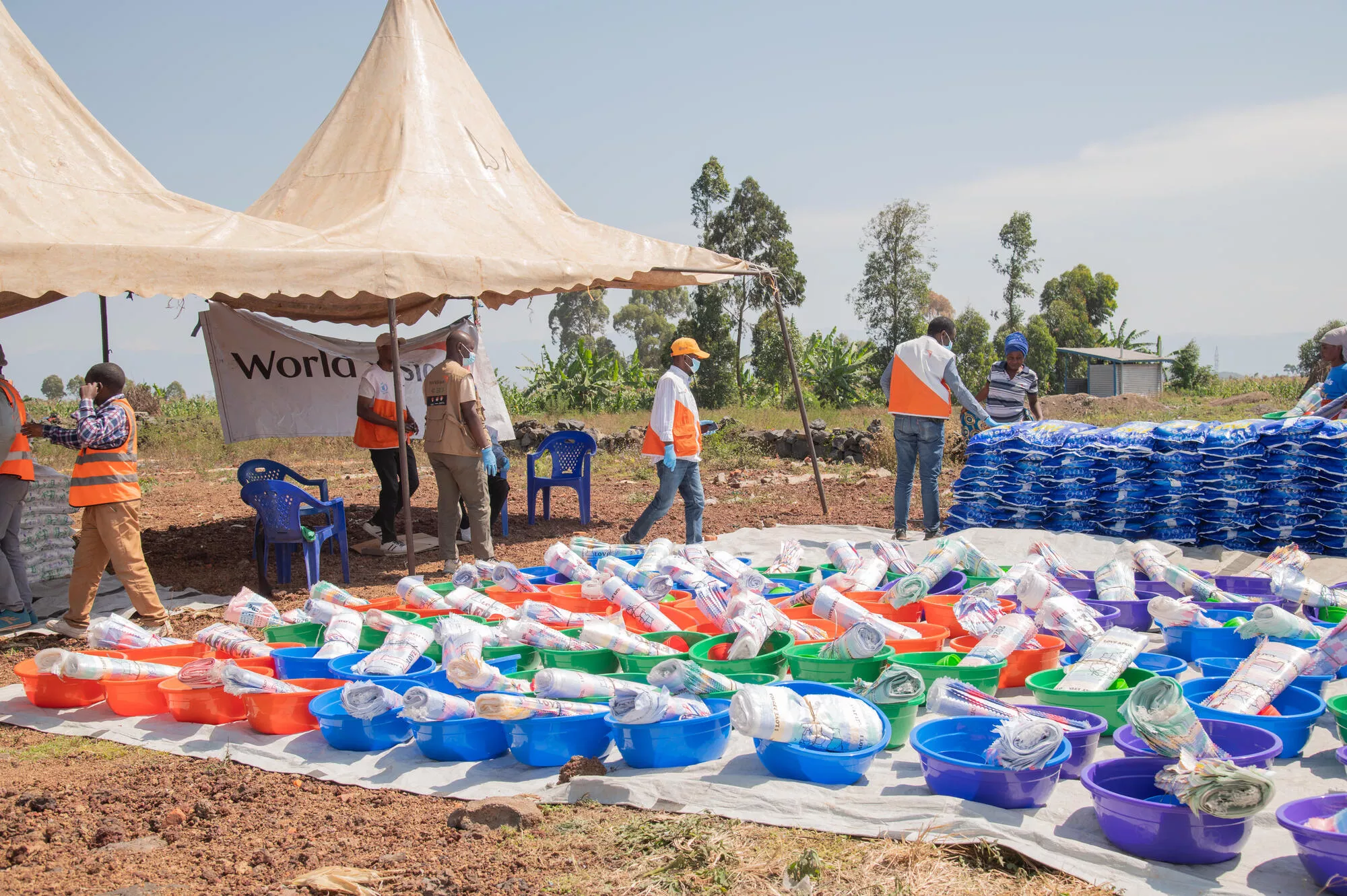
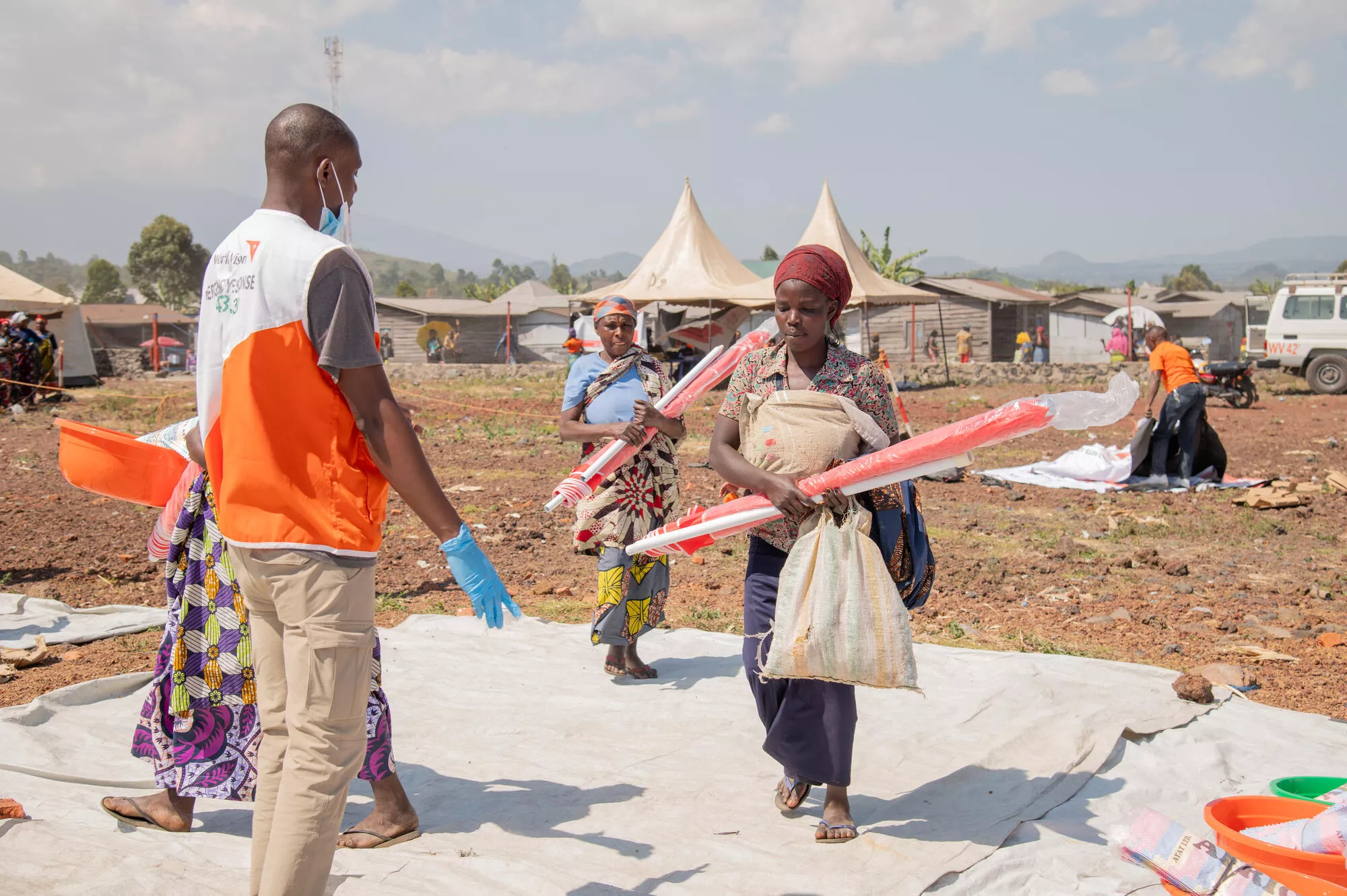
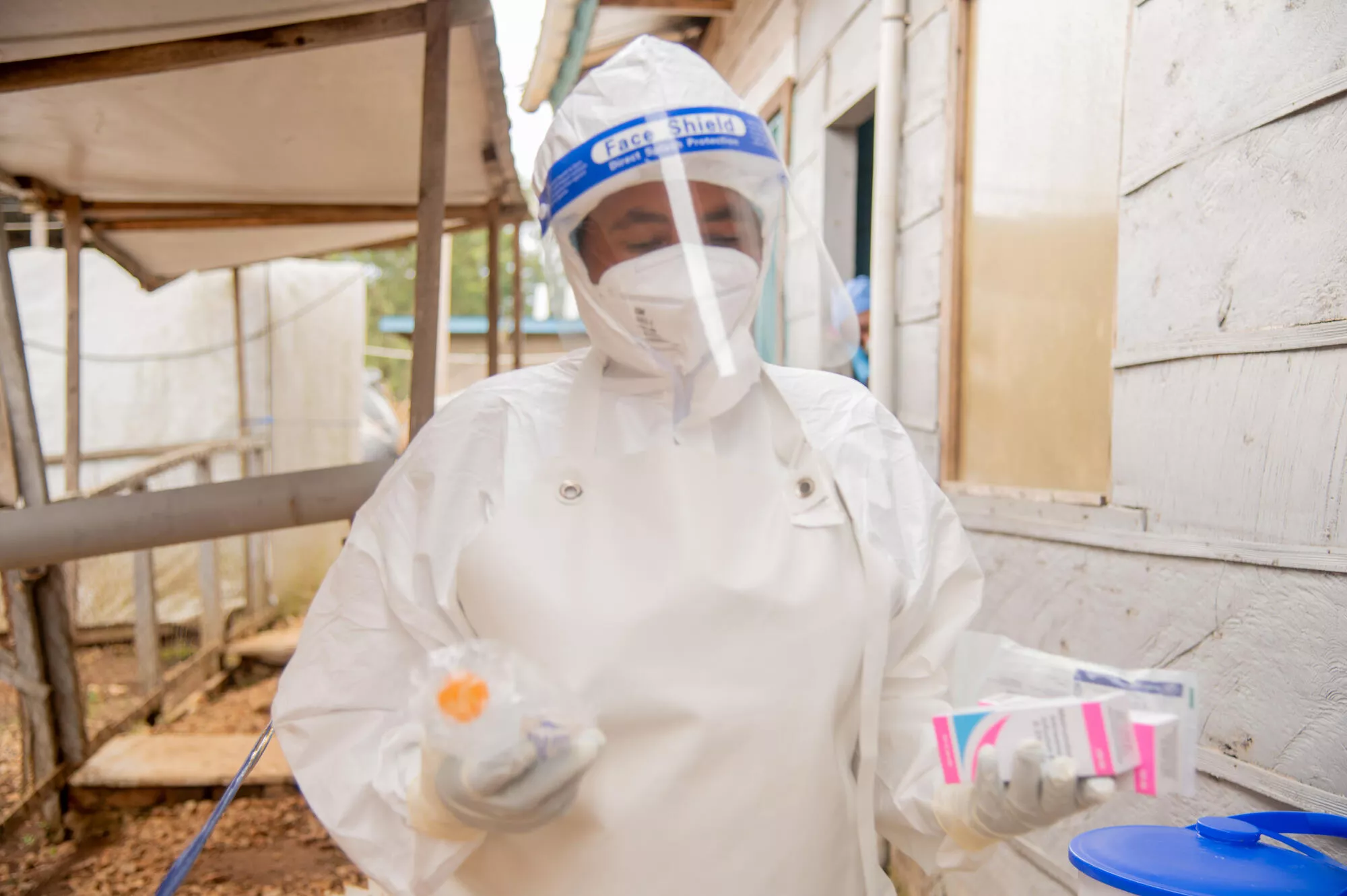
World Vision provided:
- 316 handwashing kits to affected communities and institutions. These included buckets with taps, basins and soap to support regular handwashing.
- 530 personal protective equipment kits to health facilities, containing items such as masks, gloves, aprons and boots.
- 121 water, sanitation and hygiene kits, containing detergent and disinfectant, to health facilities.
Providing Food for Affected Families and Frontline Workers
The outbreak has deepened hardship for households already struggling to put food on the table. World Vision provided meals and food rations to people being assessed for Ebola, their caregivers, healthcare workers and vulnerable families.
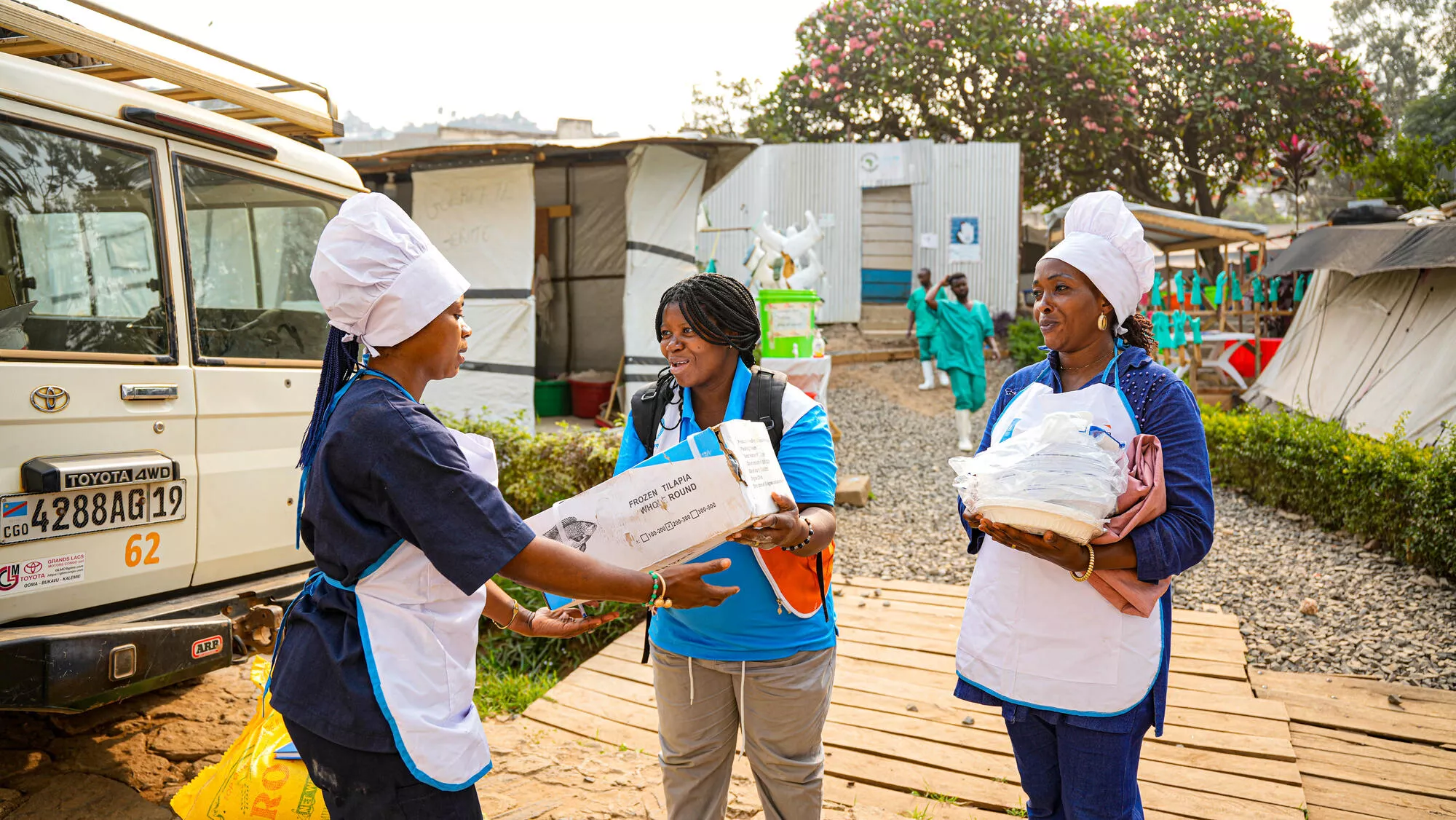
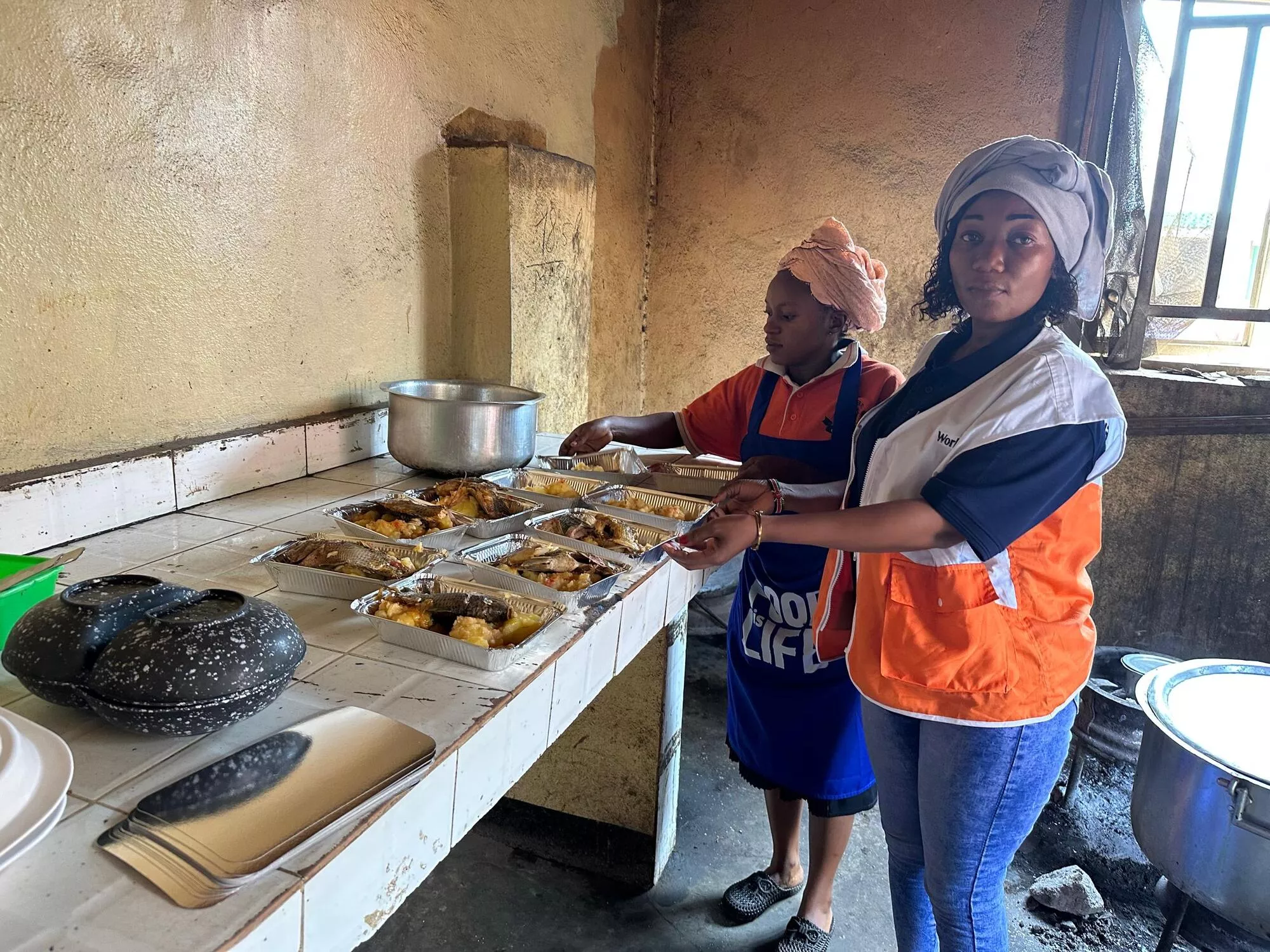
- 13,893 hot meals were served to 462 people, comprising 246 people with suspected infection, 22 accompanying caregivers and 194 healthcare workers.
- 14,835 vulnerable people received dry food rations to meet immediate food and nutritional needs. These included patients’ family members and households facing crisis or emergency levels of food insecurity.
Strengthening Community Prevention and Early Detection
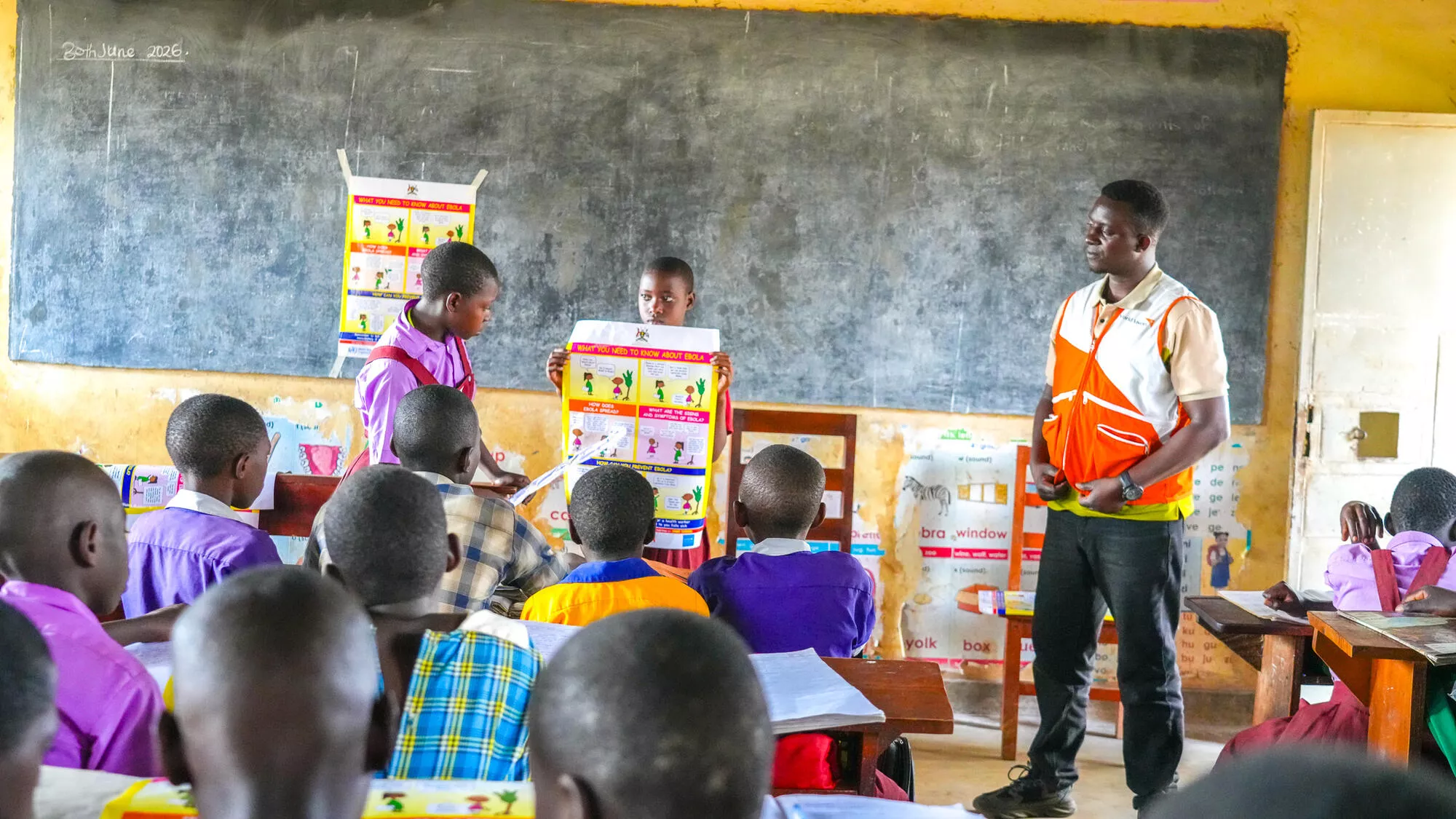
Recognising possible symptoms and seeking early treatment are essential to the Ebola response. World Vision equipped frontline workers and trusted community members on awareness training on Ebola signs and symptoms, transmission routes, infection prevention and control measures, handwashing and hygiene promotion, community-based surveillance, early notification and referral of suspected cases, as as well as stigma reduction and community acceptance of the response.
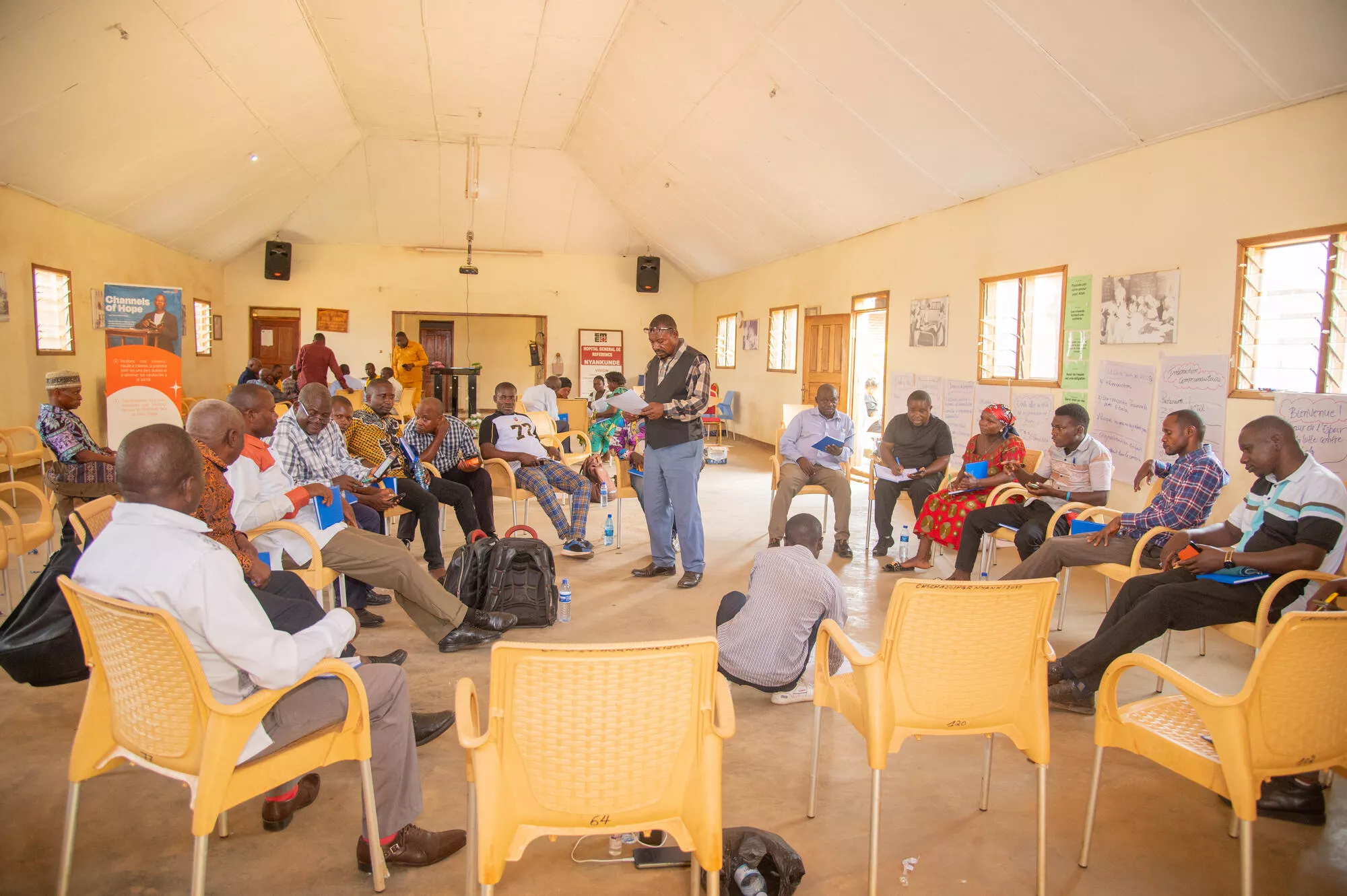
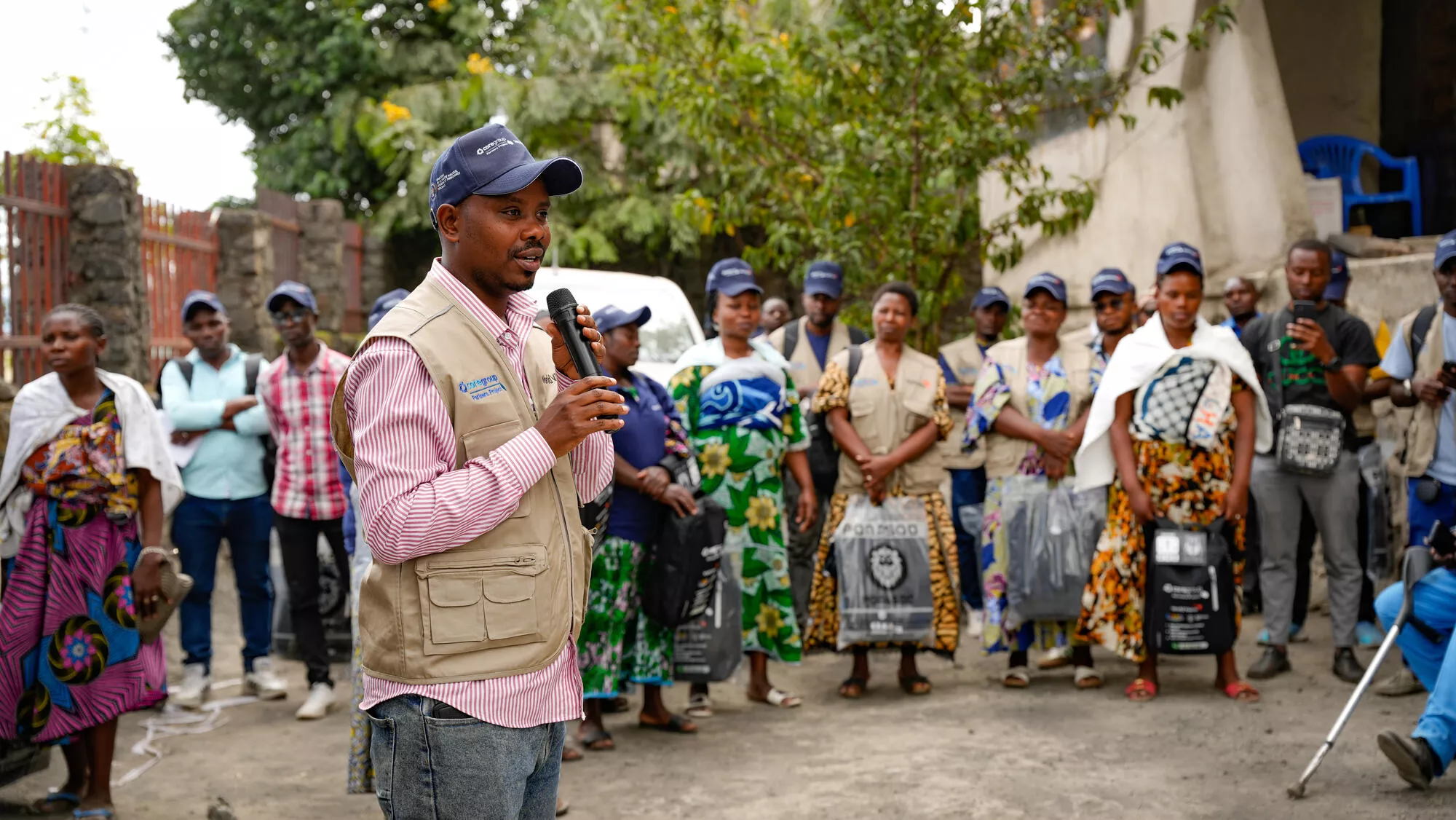
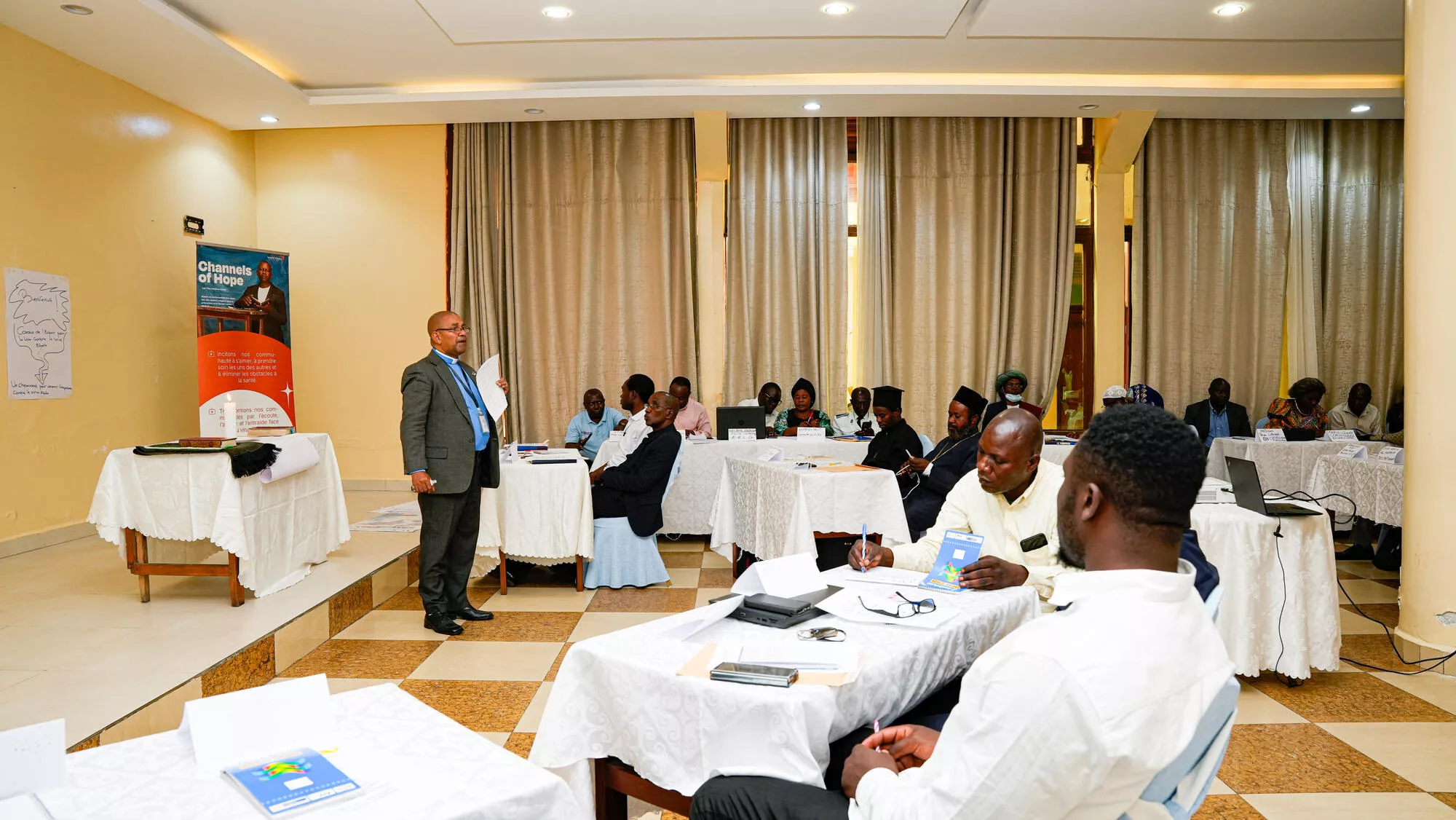
- 1,780 community health workers and associated personnel were trained to strengthen community-based services during the outbreak.
- 1,299 religious leaders, community volunteers and frontline personnel were trained and equipped to support Ebola prevention, community surveillance and early case detection.
- These efforts contributed to the identification and referral of 69 suspected Ebola cases to health facilities for investigation.
- 95,850 children and adults received prevention information through awareness activities led by faith communities and Community Hope Action Teams.
- Risk communication and behaviour change interventions reported reaching 1.17 million people, including 426,261 children, with information to help them understand Ebola risks and adopt protective practices.
Community Hope Action Teams bring together members of faith communities to plan and carry out activities that protect children. During the outbreak, these teams helped bring prevention messages into the communities they serve.
Caught Between Conflict and Ebola: Kelly Hopes to Keep Learning
For 12-year-old Kelly, the fear of losing another school year is painfully familiar.
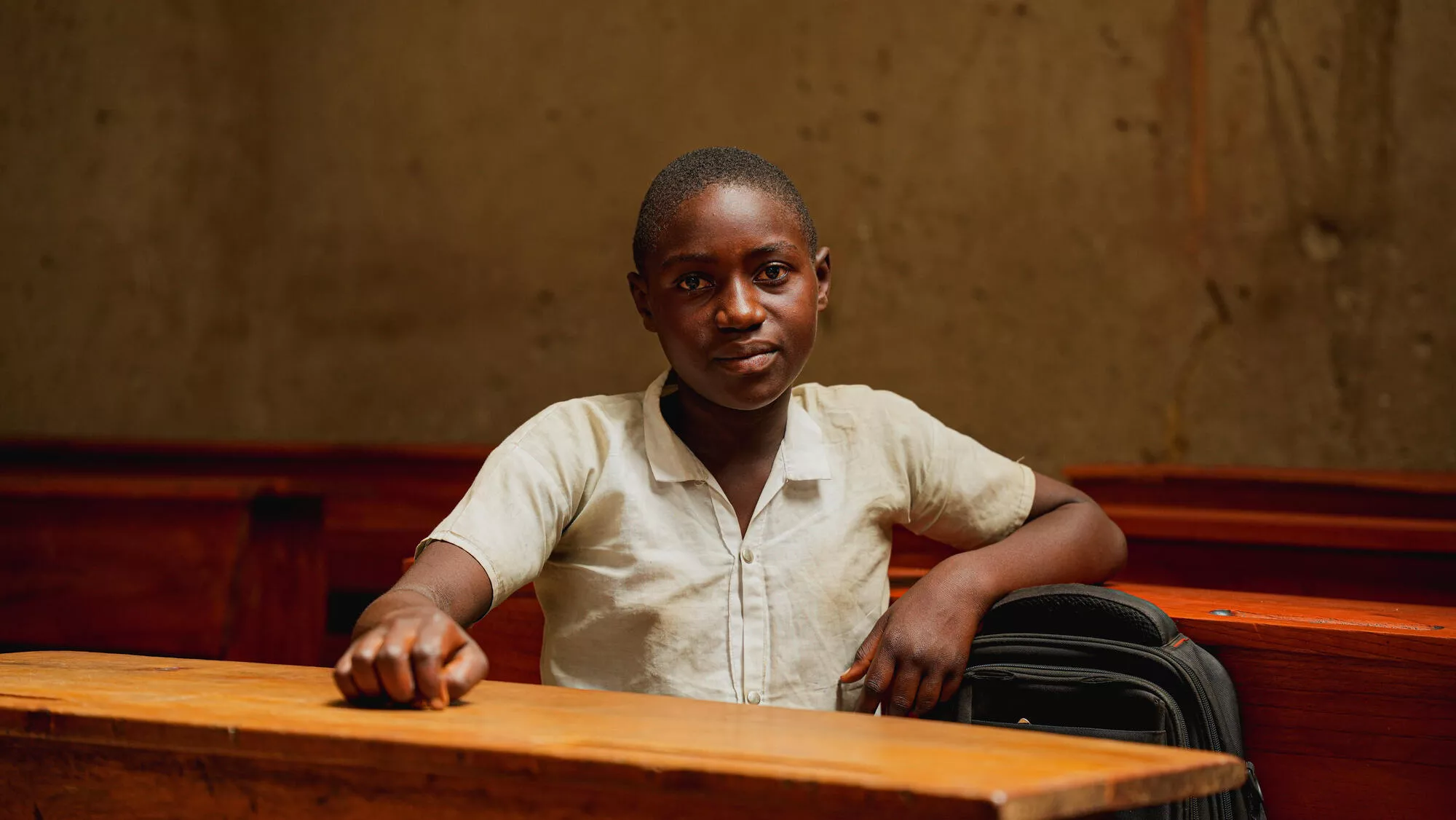
During the 2022–2023 school year, armed conflict that broke out in her community forced children out of school and out of their homes.
As gunshots sounded in the distance and families began fleeing, Kelly left with her mother, brothers and sisters. They walked for three days and nights through forests and marshlands to reach safety.
“I was too tired, but I couldn’t stop,” she recalls.
Along the way, the family lost sight of Kelly’s younger sister. They later found her with another family, but the journey was exhausting and frightening.
When Kelly returned home, the fighting had stopped, but school remained closed. Their classrooms had become places where displaced families cooked, ate and slept. Kelly spent the rest of the school year at home, missing her lessons and friends.
“I missed school terribly. To fill that void, I played a game in the yard where we acted out school roles. One of us played the principal, another the teacher, and the others the students.”
When school eventually reopened, Kelly and her classmates returned to broken desks, dirty rooms and overgrown grounds. They helped clean the school, while World Vision, together with Education Cannot Wait, the United Nations global fund for education in emergencies and protracted crises, provided backpacks, geometry sets, notebooks and pens to support their return to learning.
Now, Ebola has brought new fears.
For Kelly, returning to school now carries another worry: becoming infected. Radio messages remind families to follow prevention measures, while rumours that the school’s play activities may stop have added to her fears. After so much time away, she worries about losing something that brings her joy.
Even as she carries these worries, Kelly is helping her classmates practise prevention measures. She volunteers on her school’s hygiene committee, reminding other students to wash their hands regularly and follow the guidance shared with them.
“Here at school, I am part of the hygiene committee that encourages students to wash their hands regularly and follow prevention measures.”
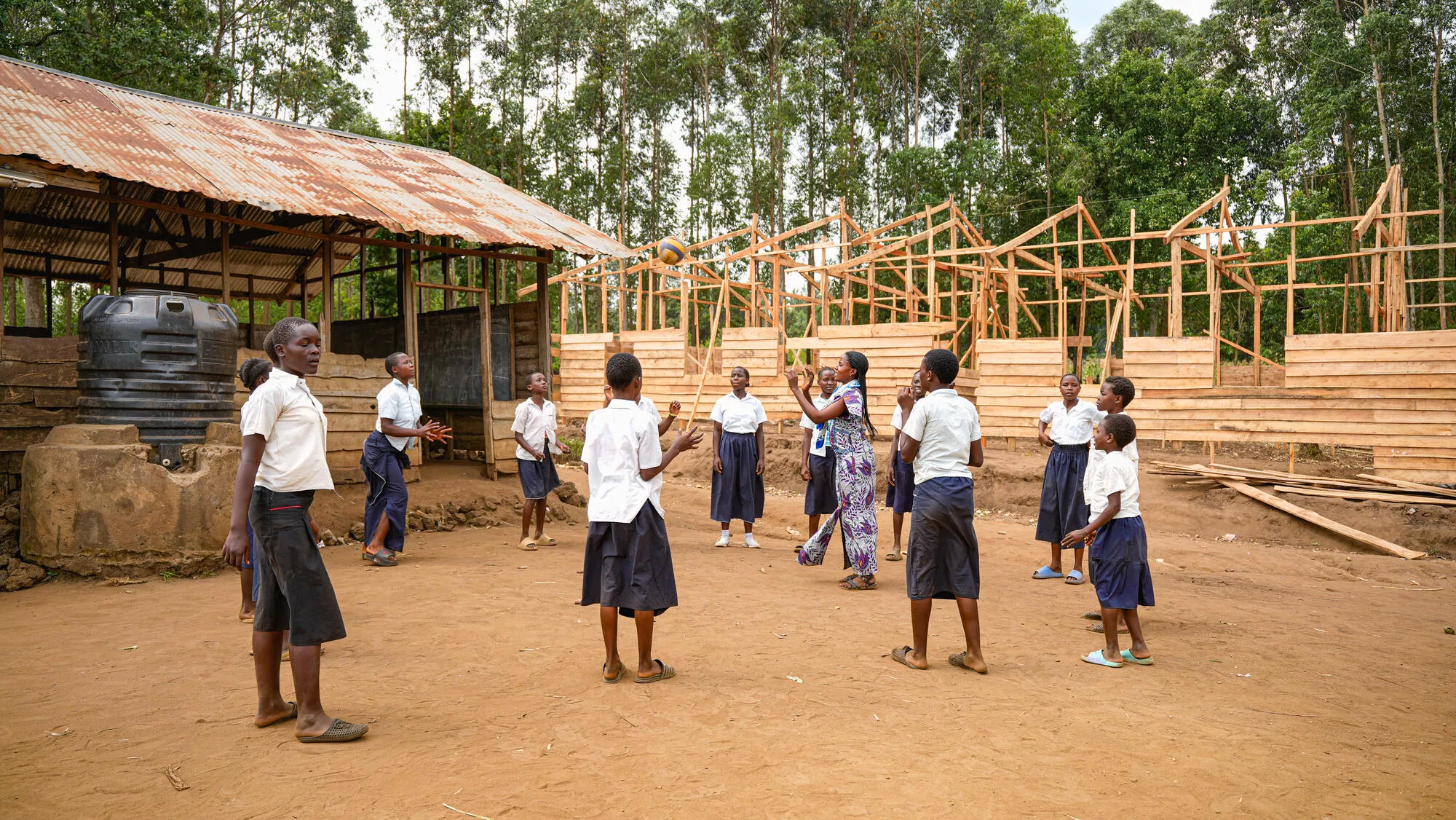
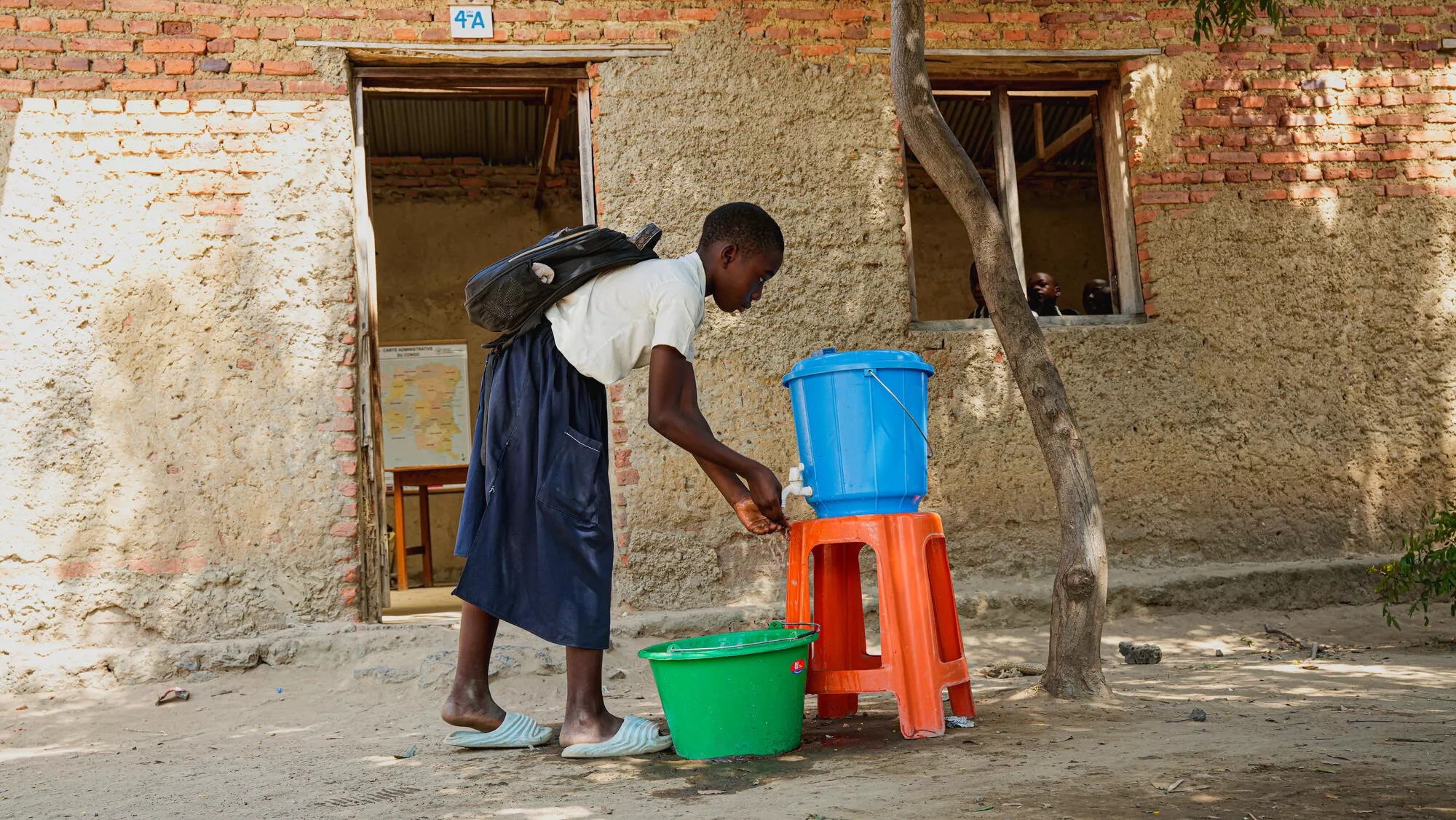
After conflict kept her out of the classroom, Kelly is determined to keep learning. Even as she faces her own fears, she is helping her classmates stay safe.
Her story shows why protecting children during an emergency must go beyond preventing disease. It also means addressing their fears, safeguarding their education and restoring the sense of safety and stability that conflict has already taken from them.
Thank you for standing with children and families affected by the Ebola Outbreak in DRC.
Your generosity has helped provide food, essential hygiene supplies and prevention information, while equipping community members and healthcare workers to respond.
As communities continue to face the risks of the spread of Ebola, alongside conflict and displacement, your support helps World Vision reach families with urgently needed assistance.
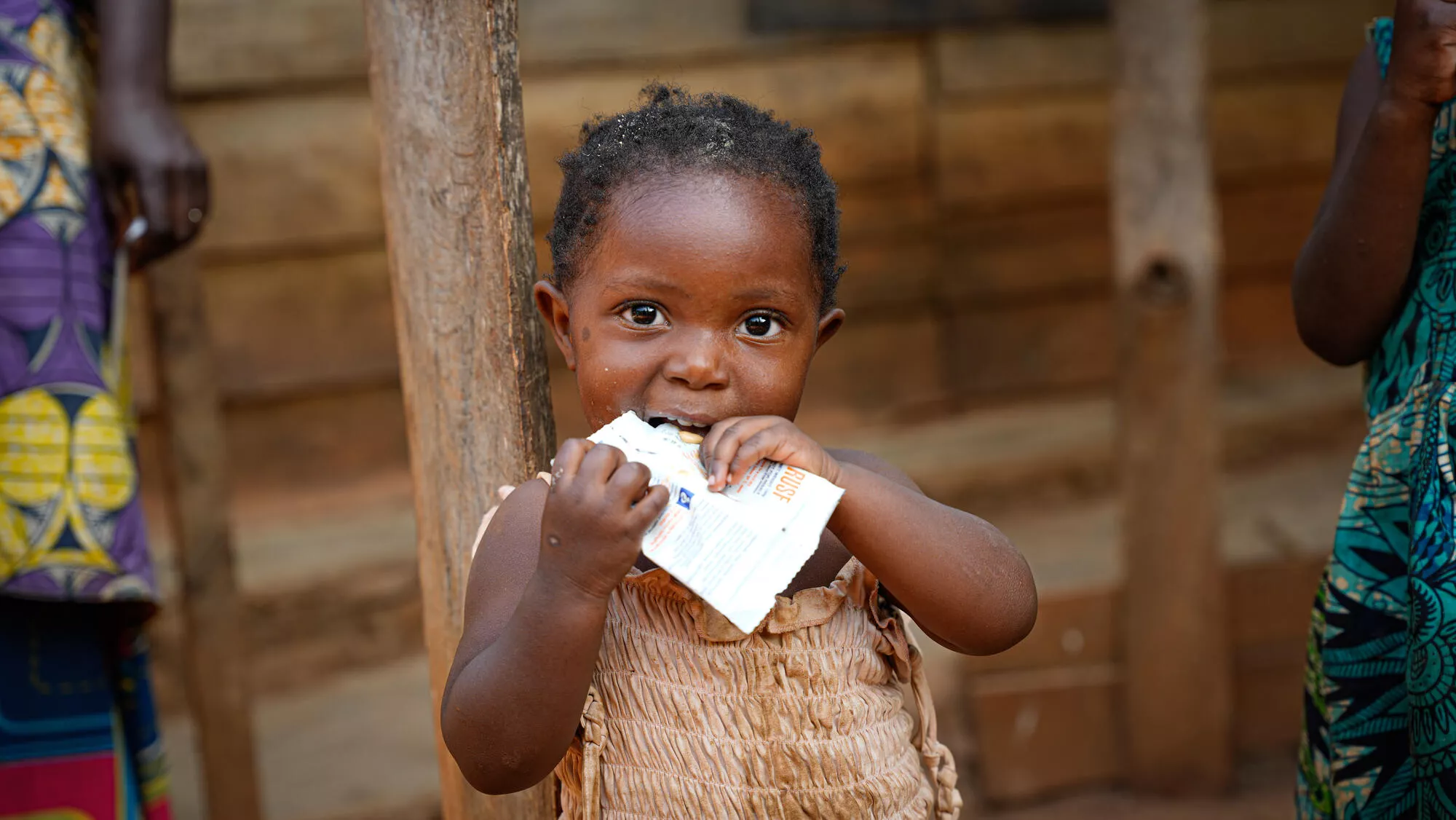
Your continued support can help to contain the Ebola Outbreak and protect the precious lives of children.
Find out more about our other ongoing Crisis and Disaster Responses.


