

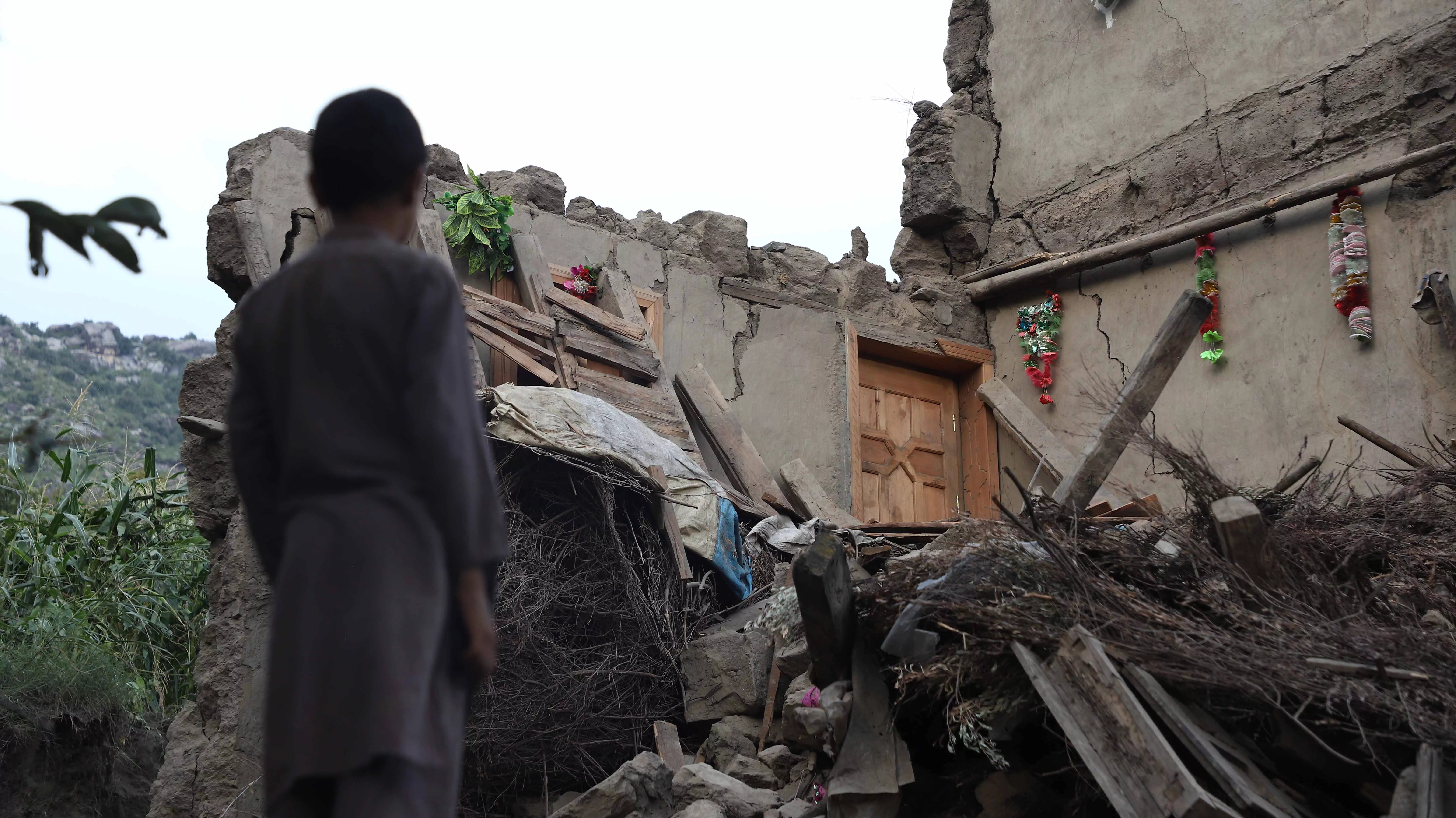
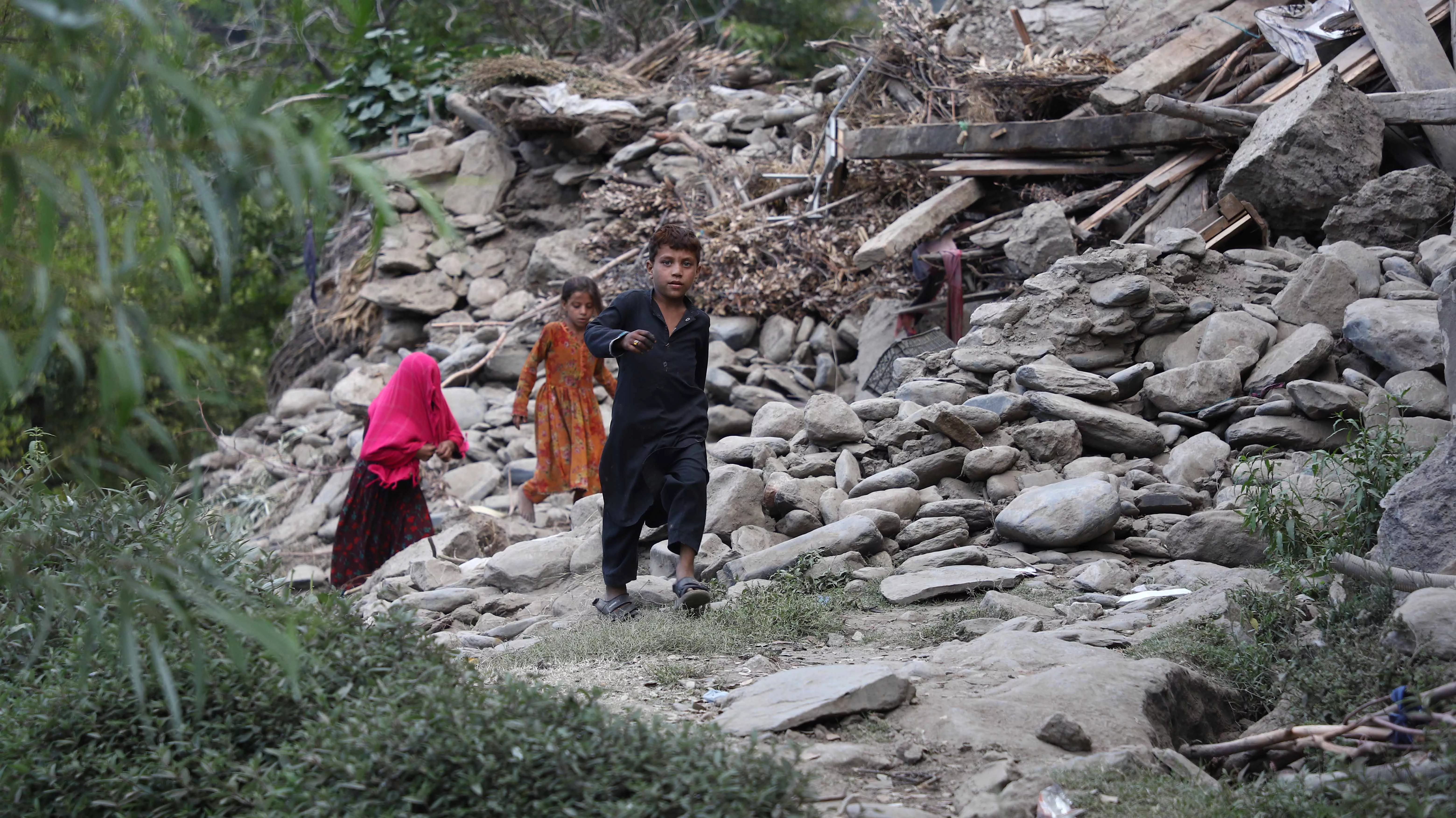
On 31 August 2025, a powerful magnitude 6.0 earthquake struck the mountainous provinces of Kunar and Nangarhar in eastern Afghanistan. Entire villages were flattened, leaving more than 2,200 people reportedly killed, over 3,600 injured and nearly 6,700 homes destroyed. An estimated 84,000 people were affected.
The earthquake destroyed water sources, farmland and livestock, leaving families without shelter, clean water or a way to earn a living. It struck a country already facing severe food insecurity and one of the world’s largest humanitarian crises, deepening the hardship for vulnerable families.
Your support enabled World Vision to reach 17,729 people, including 3,601 children, with essential healthcare, nutrition services, clean water, shelter and protection support between September 2025 and July 2026.
In the aftermath of the earthquake, World Vision mobilised an earthquake emergency response together with two trusted national organisations - the Agency for Assistance and Development of Afghanistan and the Afghan Women’s Educational Center to enable rapid access to some of the hardest-hit and most isolated communities. Families received life-saving assistance and early recovery support across health and nutrition, water, sanitation and hygiene, and protection and wellbeing.
Provision of Shelter Kits and Winter Supplies
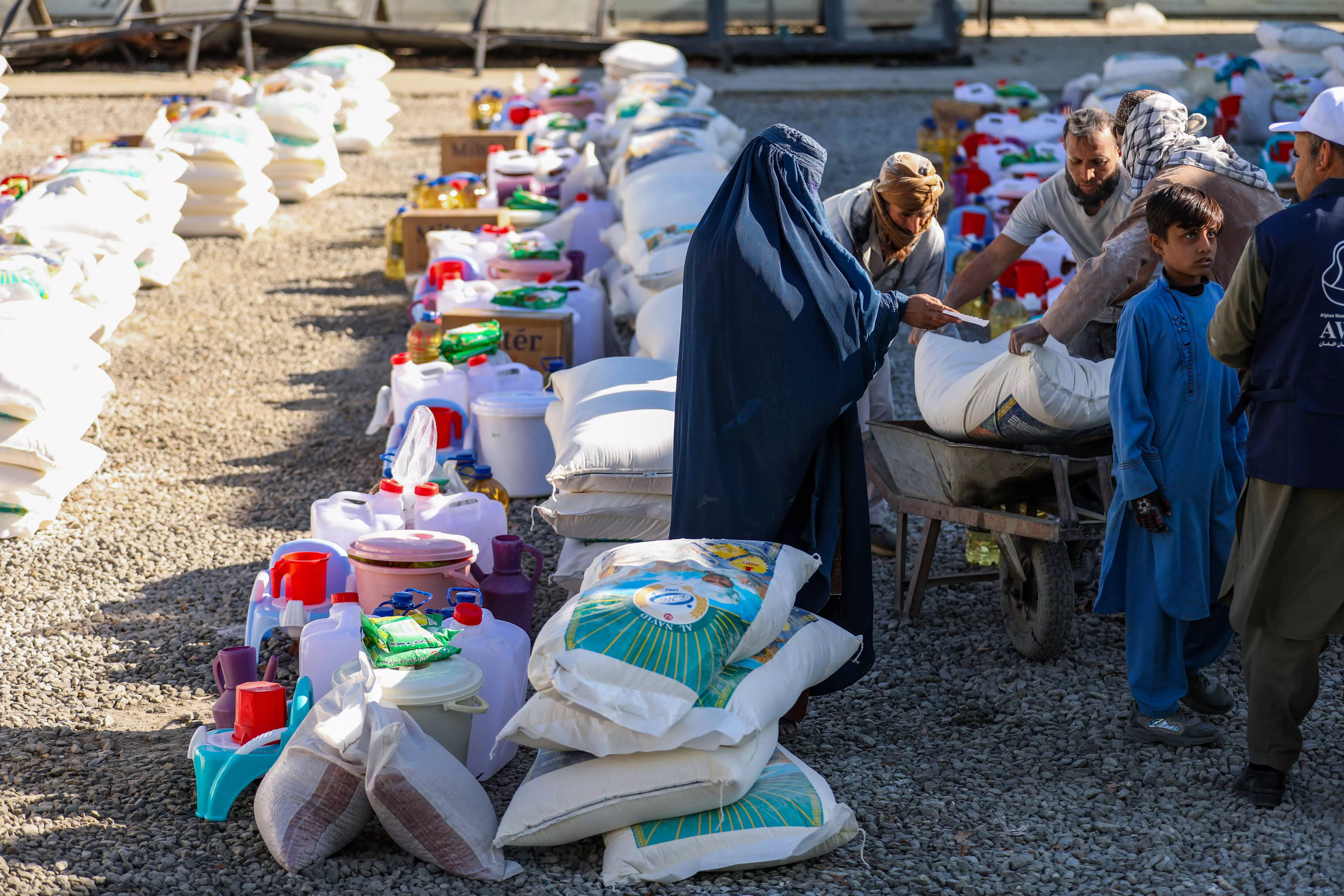
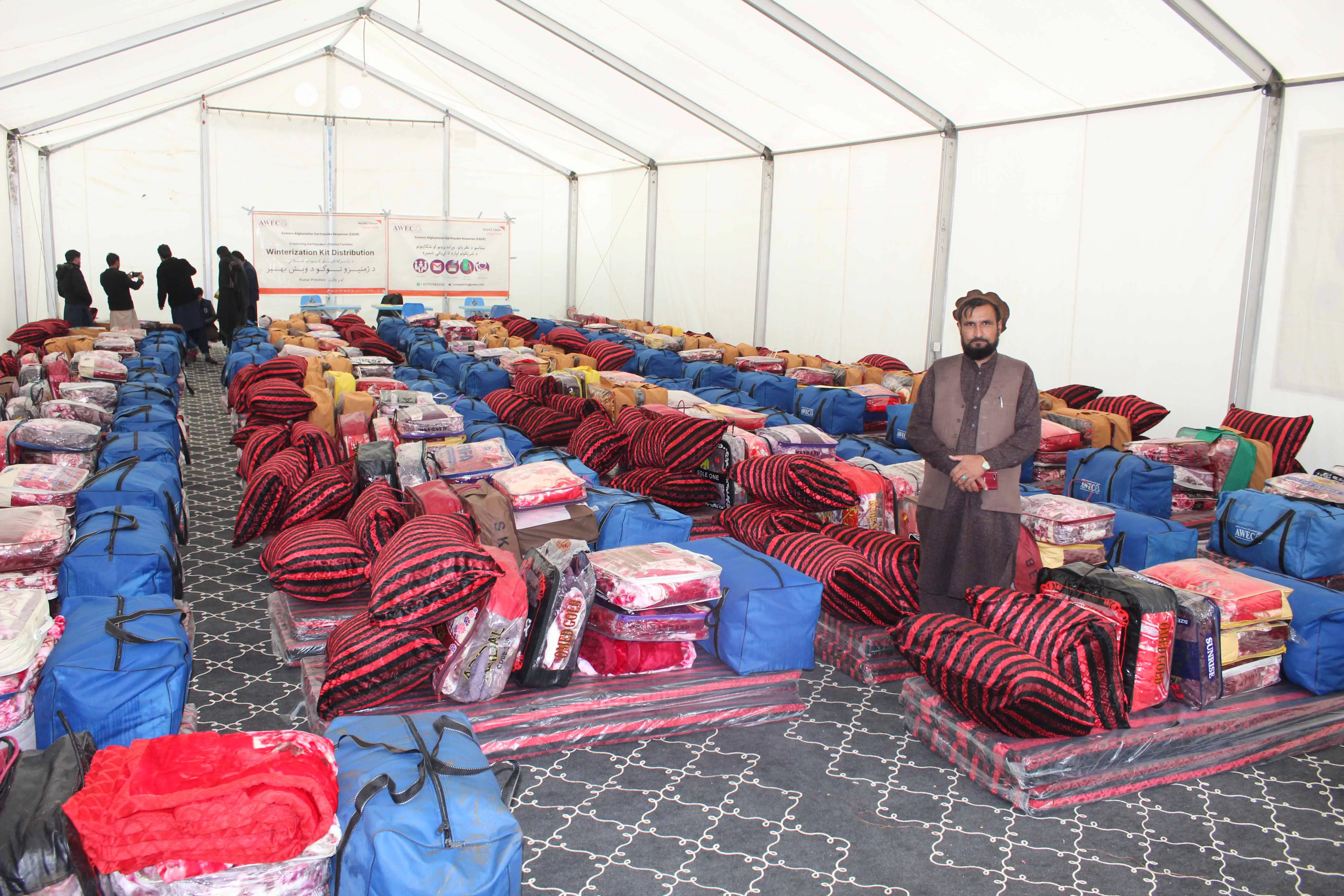
4,366 people received shelter, winter supplies and personalised support to help their families recover from trauma
- 250 vulnerable households - 1,750 people - received emergency tents and essential cooking and hygiene supplies.
- 540 people received individual counselling to help them cope with the trauma of the earthquake and displacement.
- 200 vulnerable individuals received personalised assistance to access healthcare, shelter support, legal aid and civil documentation.
- 268 households - 1,876 people - received winterisation kits containing warm clothing, blankets, winter shoes, socks, woollen caps, mattresses and pillows to help them stay safe during the freezing winter months.
Restoration of Access to Safe Water and Hygiene
5,085 people received clean water and hygiene support to prevent waterborne and hygiene-related diseases.
- Five hand-dug wells and two damaged water systems were treated with chlorine, providing safer drinking water for 311 households – about 2,183 people.
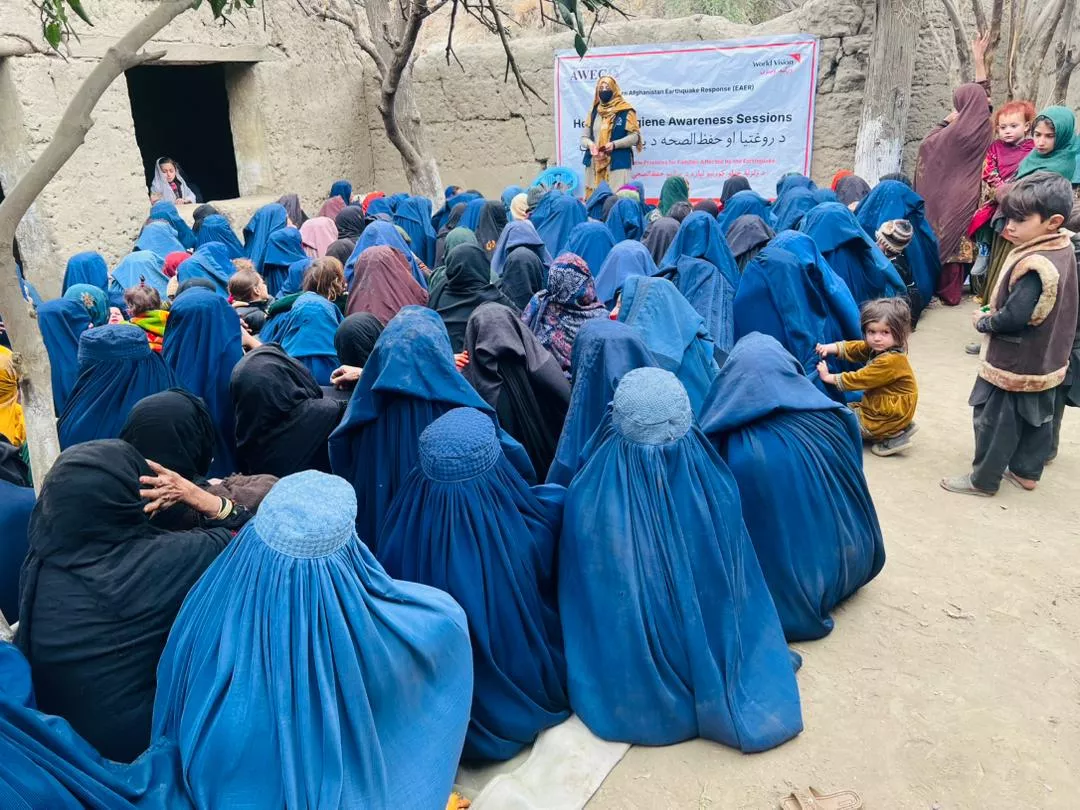
2,902 people were educated on proper handwashing, safe water use and storage, environmental cleanliness for the prevention of hygiene-related diseases.
Provision of Health & Nutrition Services for Affected Communities
8,278 people received critical health and nutrition services after the earthquake damaged health facilities and disrupted access to care.
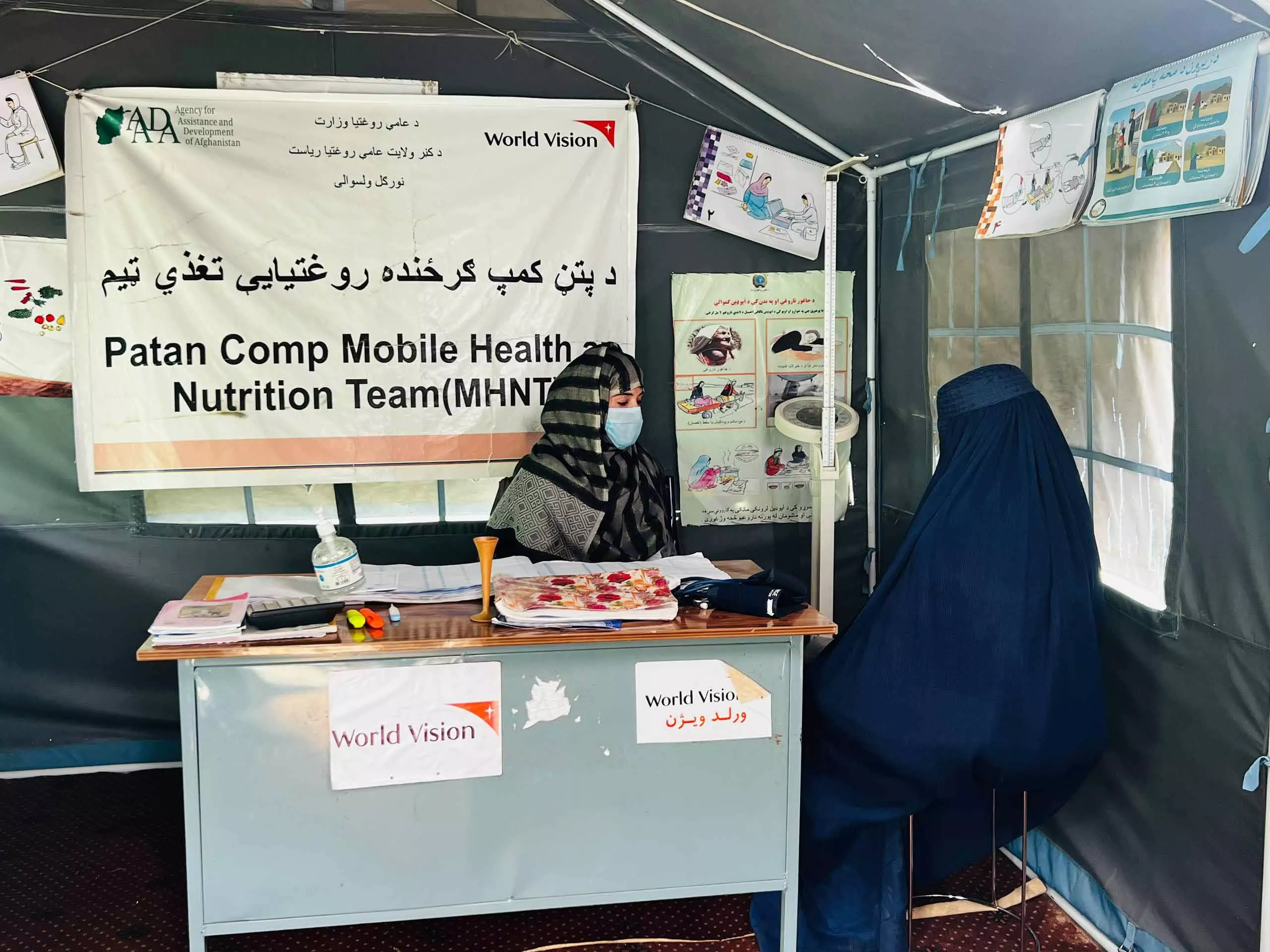
- Two mobile health and nutrition teams were deployed to bring life-saving care directly to displaced families and hard-to-reach communities. Operating from temporary structures, tents and displacement sites, each team comprised a doctor, two midwives, a nutrition counsellor, a mental health counsellor, a vaccinator and three support staff.
- 5,003 outpatient consultations were provided to diagnose and treat illnesses among earthquake-affected families.
- 879 women received antenatal and postnatal care at a time when access to maternal health services had been disrupted.
- 481 people received treatment for acute malnutrition.
- 458 children and caregivers received nutrition screening and feeding guidance to identify and address nutrition risks early.
- 458 children and caregivers received nutrition screening and feeding guidance to identify and address nutrition risks early.
- 78 patients requiring specialised care were referred to higher-level health facilities.
- 1,123 people received practical guidance on maternal and child health, infant and young child feeding, disease prevention and when to seek medical care during the emergency and recovery period.
From Surviving to Supporting Others: Fatima’s Story
When the earthquake tore through Mazar Dara village, Fatima’s mud-and-stone home was destroyed. In a matter of seconds, the place where she had raised her four children, and built a lifetime of family memories was reduced to rubble. Around her, hundreds of other families had lost their homes too.
When the earthquake tore through Mazar Dara village, Fatima’s mud-and-stone home was destroyed. In a matter of seconds, the place where she had raised her four children, and built a lifetime of family memories was reduced to rubble. Around her, hundreds of other families had lost their homes too.
While emergency supplies helped meet their immediate needs, Fatima was still carrying the fear and anxiety left by the earthquake. Through individual counselling, she found a safe space to process what she had experienced. Slowly, she began to feel more confident and connected with the families around her.
In time, Fatima found the strength to support other women. She shared what she had learnt about hygiene and encouraged them to attend health and counselling sessions. Even while rebuilding her own life, she became a source of encouragement to others walking the same difficult road.
Fatima may have lost her home, but she did not lose her strength or her care for her community. Her journey shows how the right support can help a family move beyond surviving - to regain dignity, rebuild hope and begin looking towards the future again.
Thank you for standing with children and families in Sri Lanka. Your generosity brought life-saving relief when it was needed most and gave communities hope as they rebuilt their lives.
Find out more about our ongoing Crisis and Disaster Response.


