

I joined this trip to Mongolia as someone who had never sponsored a child. I knew people who did. I understood the idea behind it. But if I am being truthful, I wasn’t completely sure how donations really helped, nor was I fully convinced.
When we hear about sponsorship and community programmes from afar, they can sometimes feel abstract. We see photographs, read stories and hear about the work being done — but I wanted to understand what actually happens on the ground and witness the real impact for myself.
So I came to Mongolia with my friend whom asked me along and told me to come with an open mind, but also with questions. I wasn’t expecting those questions to be answered quite so personally.
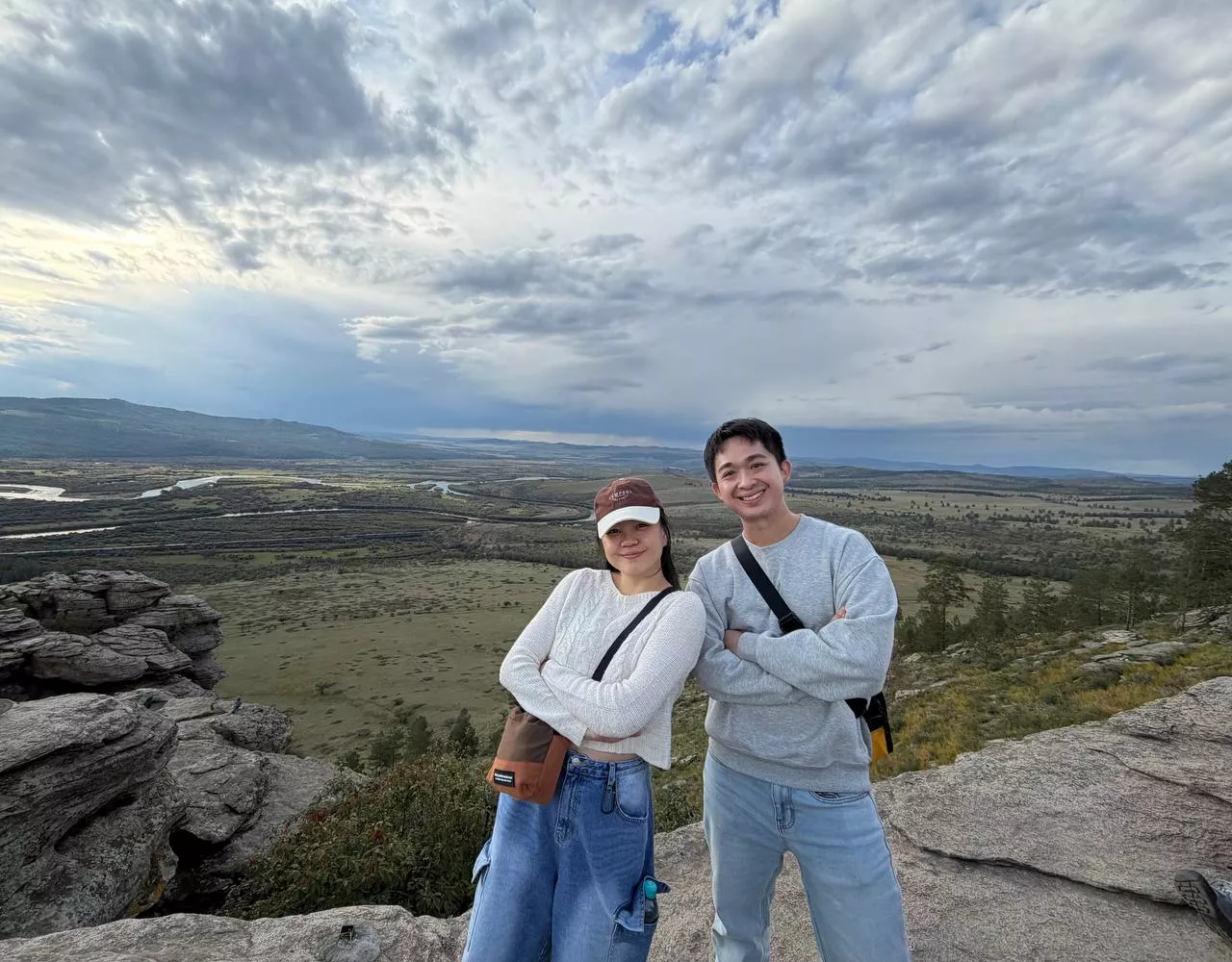
Over the course of the trip, we travelled into communities and met the people behind the stories. We walked through schools and dormitories and saw how improved toilets and sanitation facilities were giving children better living conditions. We visited facilities where people with disabilities had a safe space to learn, develop and receive support, with these services provided free of charge. We sat with families and listened to how they had been supported in creating livelihoods for themselves. And we learnt about work that isn’t immediately visible — the workshops helping parents create safer and more nurturing homes, and the systems being strengthened within communities to better protect children.
Individually, each initiative might seem like just one project. But standing there, I began to see how they connected.
A child’s future isn’t determined by one thing. It is shaped by whether they are safe at home, whether they can go to school, whether their parents can provide for them, whether they have access to basic sanitation, and whether their community has the ability to support them when they need help.
What I saw in Mongolia wasn’t charity in the way I had imagined it. I saw people being given a stronger foundation from which to move forward with greater confidence and hope. And perhaps that was what started changing my perspective.
There were 25 of us on this journey, together with the volunteers and World Vision staff who made it possible. One of the things I will remember most is the heart these people brought with them. It wasn’t only about what we came to see. It was the conversations we had, the families who welcomed us, the people working quietly on the ground, and the passion of those who had chosen to dedicate themselves to communities far from our own.
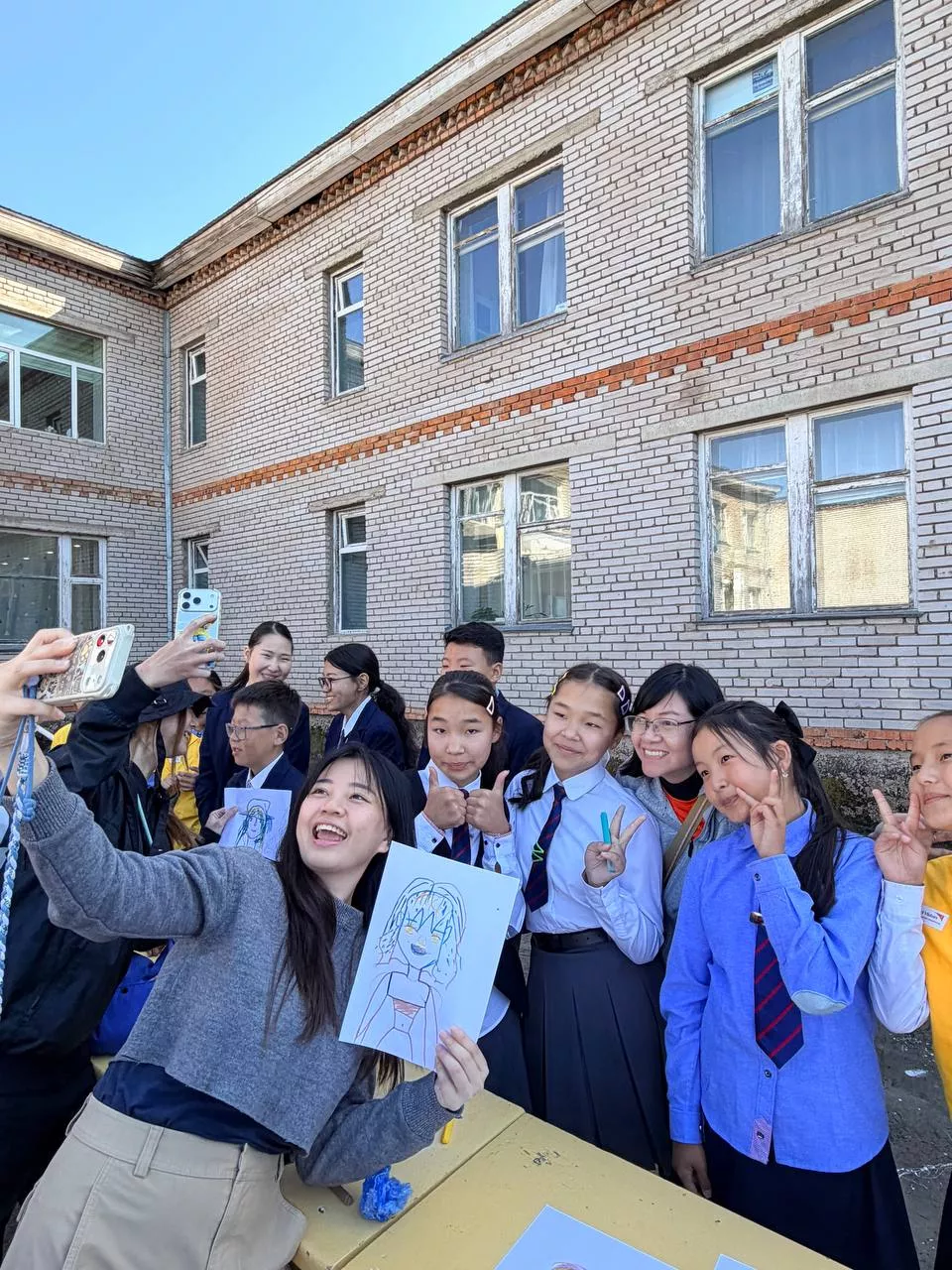
As the days went by, I found myself becoming less of an observer. I started to care about the people behind everything I was seeing.
Another pivotal point was when my friend met his sponsored kid of 6 years. Before this trip, I knew their story mainly through him. I knew about the letters and photographs they had exchanged over the years. But I had never really thought about what that relationship might mean to the child on the other side.
Then I watched them finally sit beside each other after six years of getting to know one another from across the globe. I also had the chance to ask the sponsored kid some questions and witness the emotions he expressed as he shared his thoughts and experiences.
There was something incredibly genuine about it. No presentation could have explained the conversation between the two of them to me in quite the same way. Towards the end of their time together, they exchanged letters.
The sponsored kid told my friend that he felt like he had finally found the older brother he never had. My friend, whom is an only child, shared a similar feeling — that he had found a little brother 7,000km away.
And then the sponsored kid said something to my friend that stayed with me: “My biggest present is you flying here to meet me.”
I think that was when I truly understood something. Sometimes, the greatest gift isn’t something we can buy or give. Sometimes, the best present is simply being present. That stayed with me. Because suddenly, sponsorship wasn’t a concept anymore. It had a face and it was sitting right in front of me.
And I realized that what matters isn’t only what sponsorship provides. There is also something deeply human about a young person growing up knowing that someone they may have never met is interested in their life, celebrates their progress and wants to see them succeed.
As a mother, that thought stayed with me even more deeply. I know how much the small things matter when it comes to a child — being encouraged, being cared for, being given opportunities, and knowing that someone believes in you.
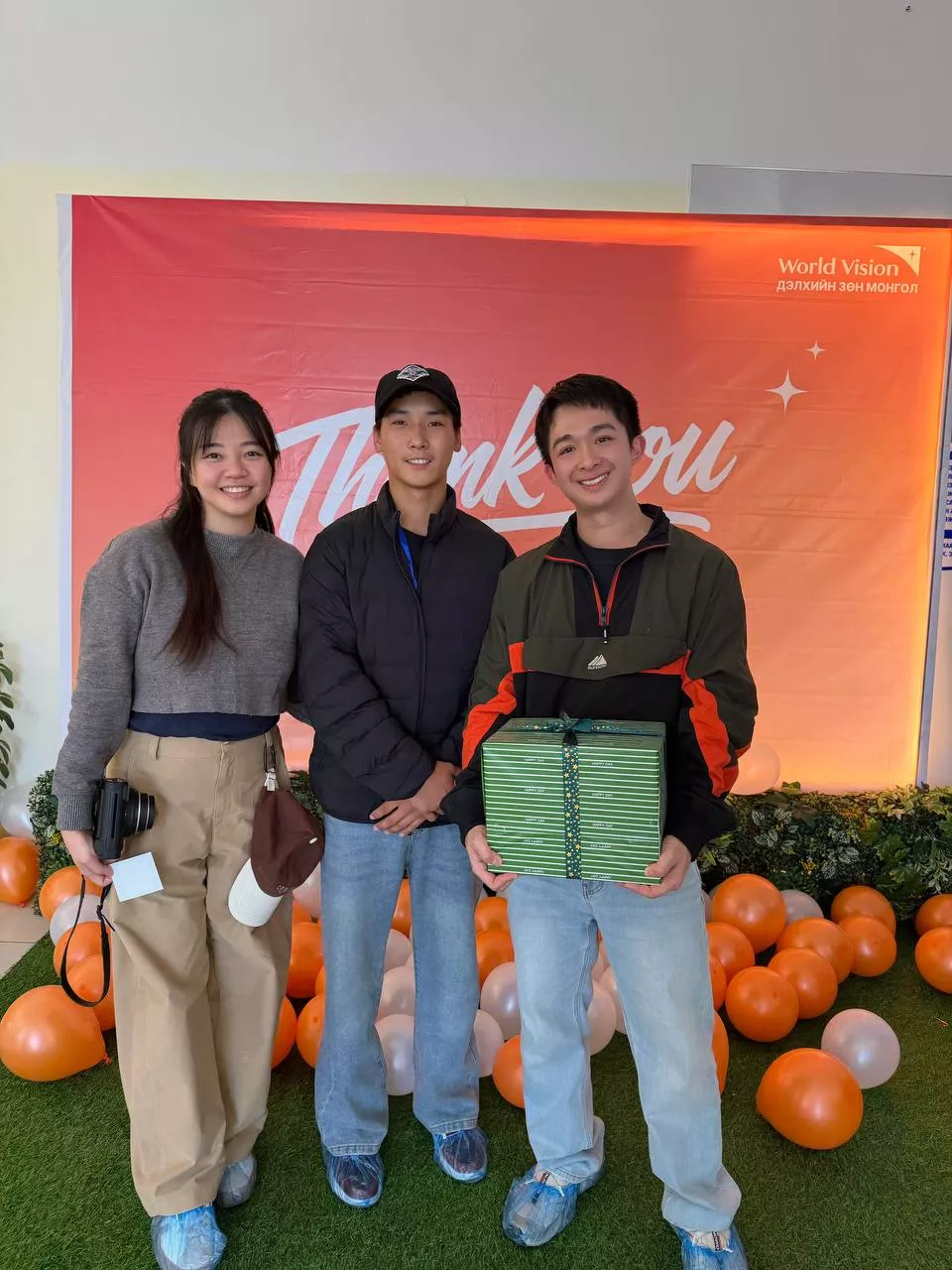
By the end of the trip, I found myself thinking about the person I had been when I first arrived. I came wanting proof. Instead, I found people. Children with ambitions. Parents trying to build better lives for their families. People with disabilities being given opportunities to develop. Field workers who know these communities by heart. And sponsors who, sometimes without ever seeing the outcome themselves, choose to remain part of someone’s journey year after year. That was what convinced me. Not one building. Not one programme. Not one story. It was seeing how all of them came together.
I arrived in Mongolia without a sponsored child waiting for me. But I will be going home to sponsor one. And strangely, that feels less like the end of this trip and more like the beginning of something new. I hope that over the years, I will get to know this child through the same little things — letters, photographs, milestones and stories. Perhaps one day, I might even get the chance to meet them.
Until then, I want to share what I saw in Mongolia with the people around me. Not to tell everyone that they should sponsor, but to tell them why I chose to. Because sometimes we can hear about something many times and still remain unsure. Sometimes, we simply need to see it for ourselves. And I did.
I came to Mongolia with questions. I left with a child I haven’t met yet already on my mind.
Every child needs a believer. Join me to sponsor a child today.


