
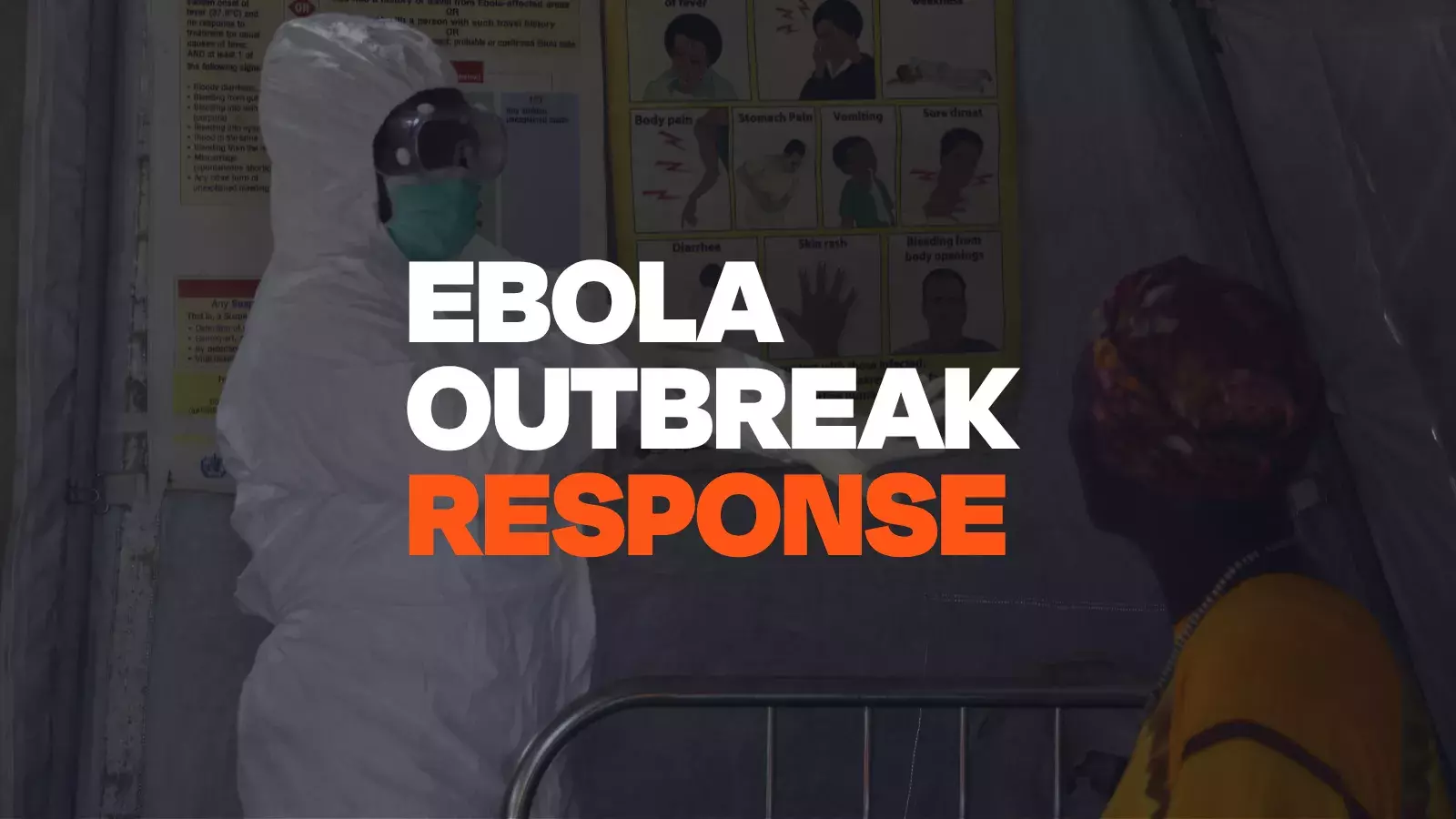
Protect lives of children from the deadly outbreak
The world’s second-worst Ebola outbreak.
Cases are on the rise, with hundreds of confirmed infections and the number of deaths increasing. The World Health Organization (WHO) has declared the situation a "public health emergency of international concern". This outbreak in Democratic Republic of Congo (DRC) is caused by the Bundibugyo strain which there is no vaccine or treatment for. It is said to have a mortality rate of 30-50%.
The crisis is unfolding in a country already affected by conflict, poverty and displacement, making it even harder for families to protect themselves. Overcrowded living conditions, limited access to clean water and weakened health services are increasing the danger for children and vulnerable families. Children are among the most vulnerable. They face the risk of losing their lives, losing their parents and caregivers, being deprived of educational opportunities, and being forced to flee their homes due to the spread of the infection. Our teams are already responding in affected communities, getting help to those who urgently need it most.
How Your Giving Protects Children and Communities
Local healthcare workers, families and community leaders are responding with resilience and courage, and World Vision is working alongside them. Through this emergency response, we aim to reach 1.3 million people with life-saving support, helping vulnerable children and families access hygiene supplies, protection services and critical healthcare.
Hygiene and Sanitation
Provide handwashing stations, hygiene kits and community education to help prevent the spread of infection.
Life-saving Community Awareness
Equip families and communities with the knowledge and training they need to protect themselves and reduce transmission.
Psychosocial Support
Help children and families facing fear, grief and trauma access the emotional support they desperately need.
Growing Threat for Children
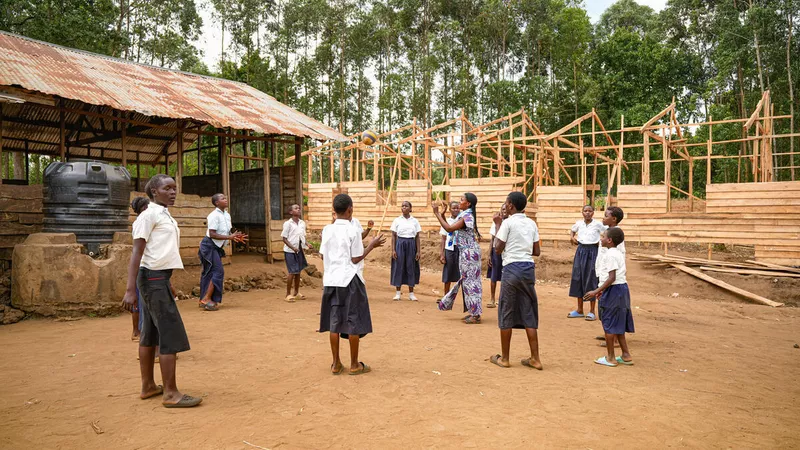
No Vaccine/ Treatment
The Bundibugyo strain of Ebola has no approved vaccine or treatment.
900,000+
displaced people
Overcrowded camps with limited access to clean water increases the risk of infection.
Critical Supply Shortage
Healthcare workers face shortages of essential medicines and medical supplies.
“Years of conflict have weakened community systems, and acute malnutrition has left many young bodies too fragile to withstand a virus as aggressive as Ebola. This outbreak is not happening in isolation. It is unfolding in communities already stretched to its limits.”
Philippe Guiton, National Director of World Vision DRC
Your Giving Goes a Long Way
No matter the amount, what you give can mean the world to families in crisis.
Provides handwashing stations, hygiene kits and training
Prevents infection through life-saving community awareness training
Provide psychosocial support for children facing fear, grief and trauma