Achut’s Story: An Orphan Girl
Conflict, climate change, and disasters are forcing orphaned children to step into the shoes of adulthood way before their time. All while dealing with grief, loss, and unresolved trauma.
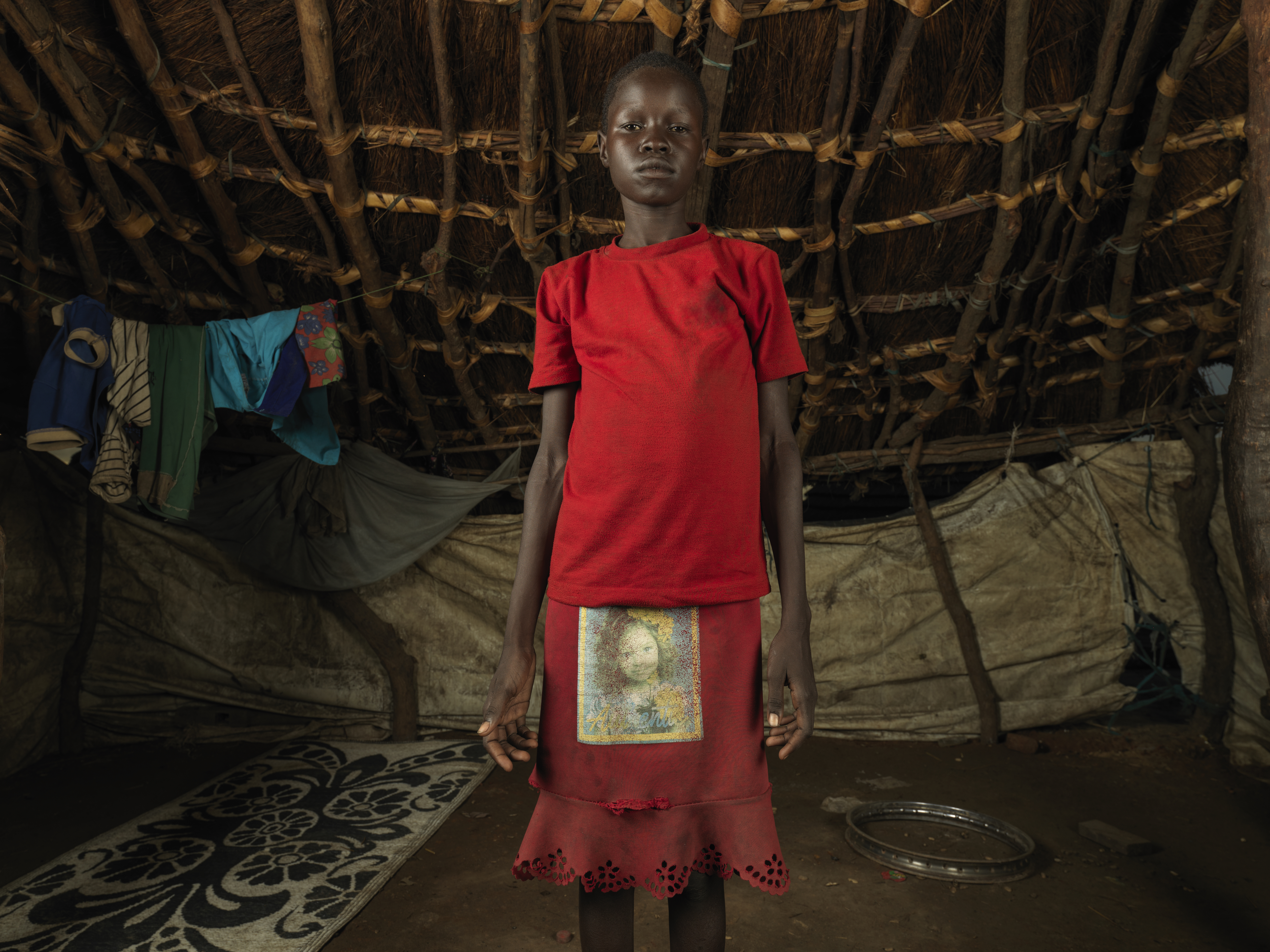
Only one person sleeps in this shelter, a child.
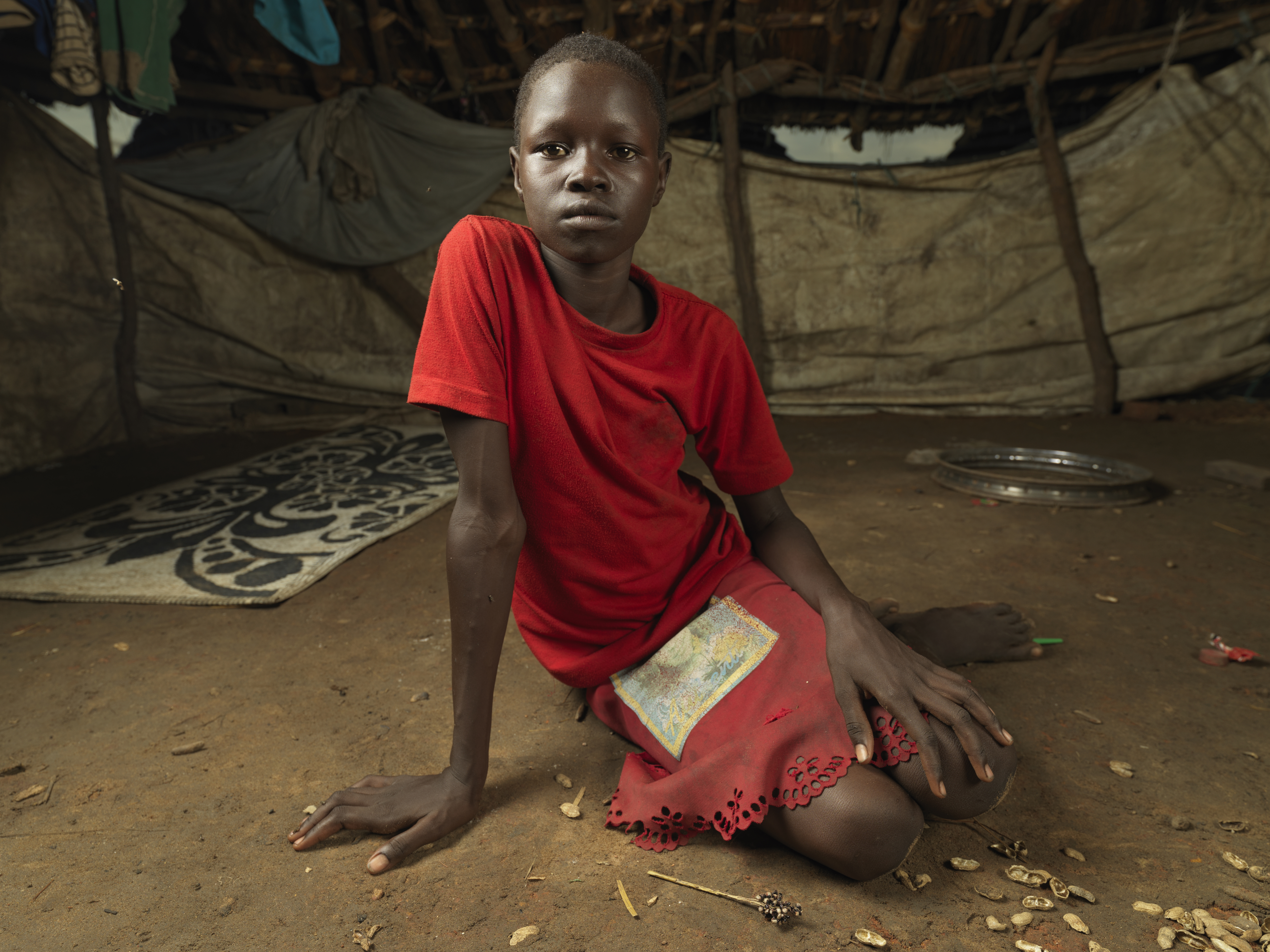
Achut was only 10 years old, but she is living alone in a camp for displaced people in Tonj North, South Sudan.
“My mom died due to natural causes, and my dad was killed during the conflict… He was in the other village with my stepmother. The attackers came in the middle of the night and killed him and burnt the house… My dad died five years ago when the conflict started, but my mom died last year,” recalls Achut about a reality in South Sudan where spontaneous conflict between communities causes many people to leave their homes and children to be orphaned.
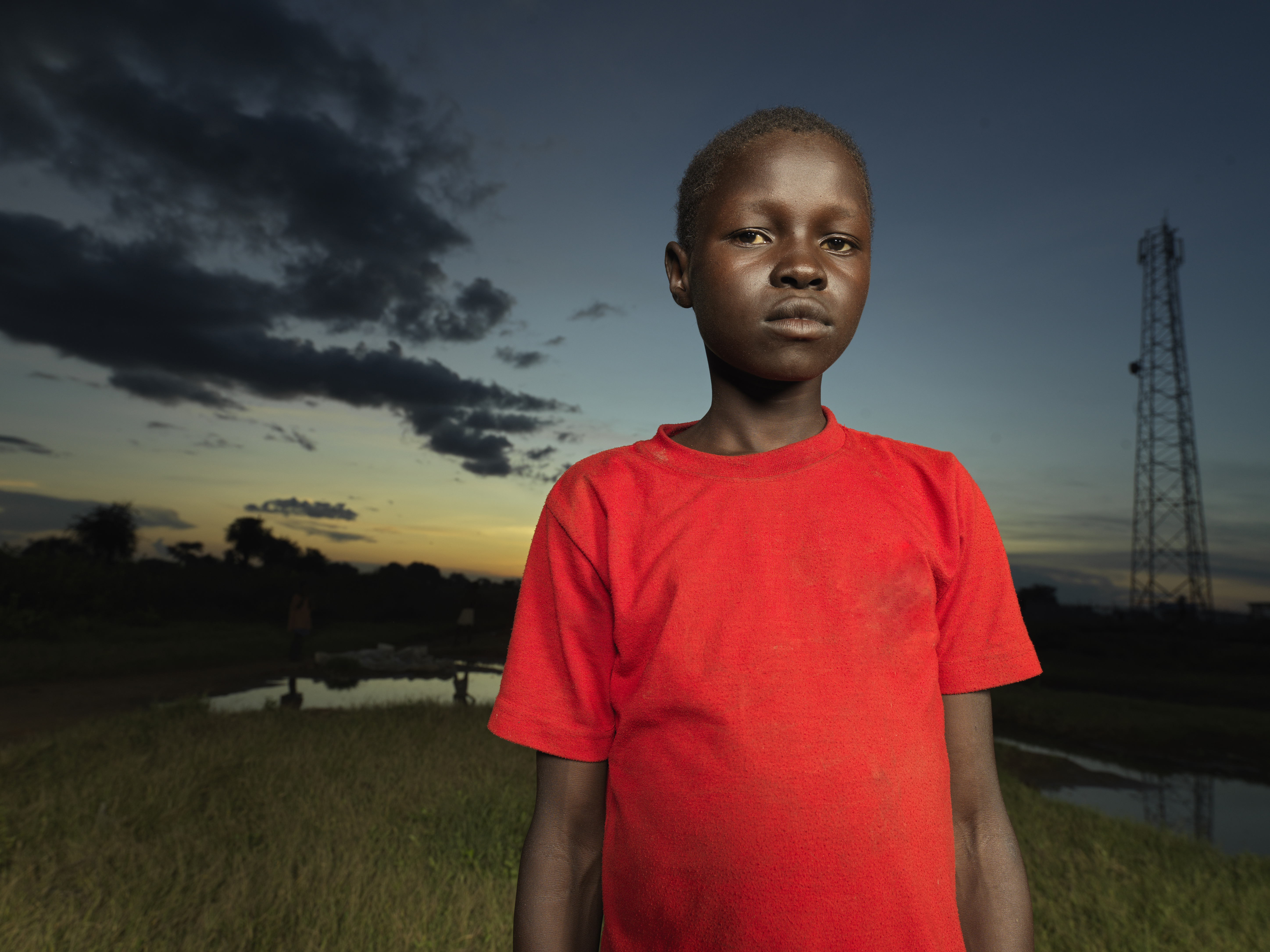
“I came here with my brother who joined the army but I was already an orphan when I was displaced. When we ran, our place was attacked at night. There was a house across from ours and people were killed, so when we were running we saw one of the women get killed. That gave me a lot of nightmares, so I really don’t want to go back to that place.”
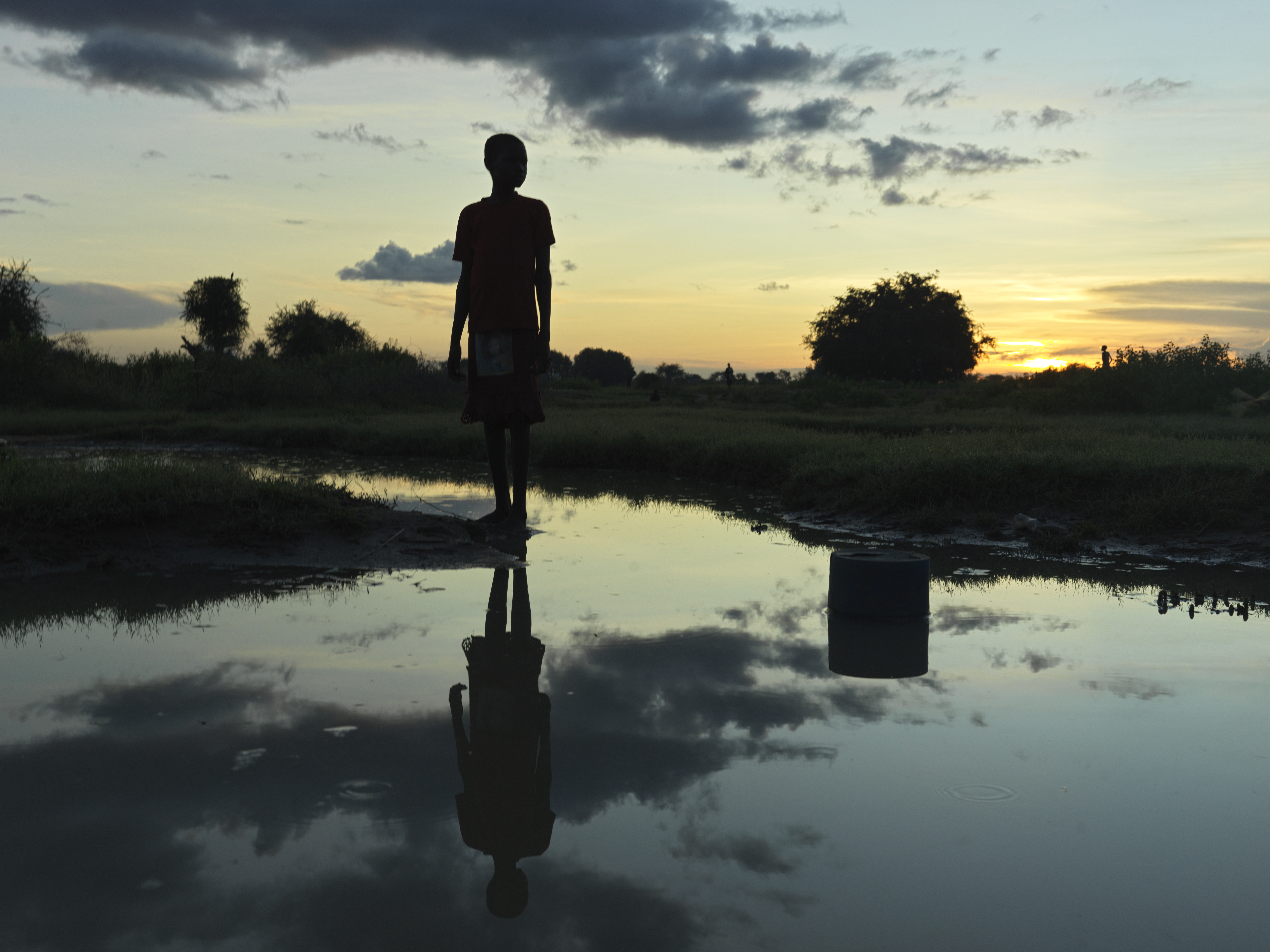
Life can change in a moment.
Children in conflict-prone contexts have to grapple with the reality of leaving their homes behind but also living with the trauma of what they saw.
At the camp, a relative of Achut set up a shelter for her and her siblings, but Achut’s older brother left to join the army and her younger sister was taken to live with her uncle. This left Achut completely alone in the camp.
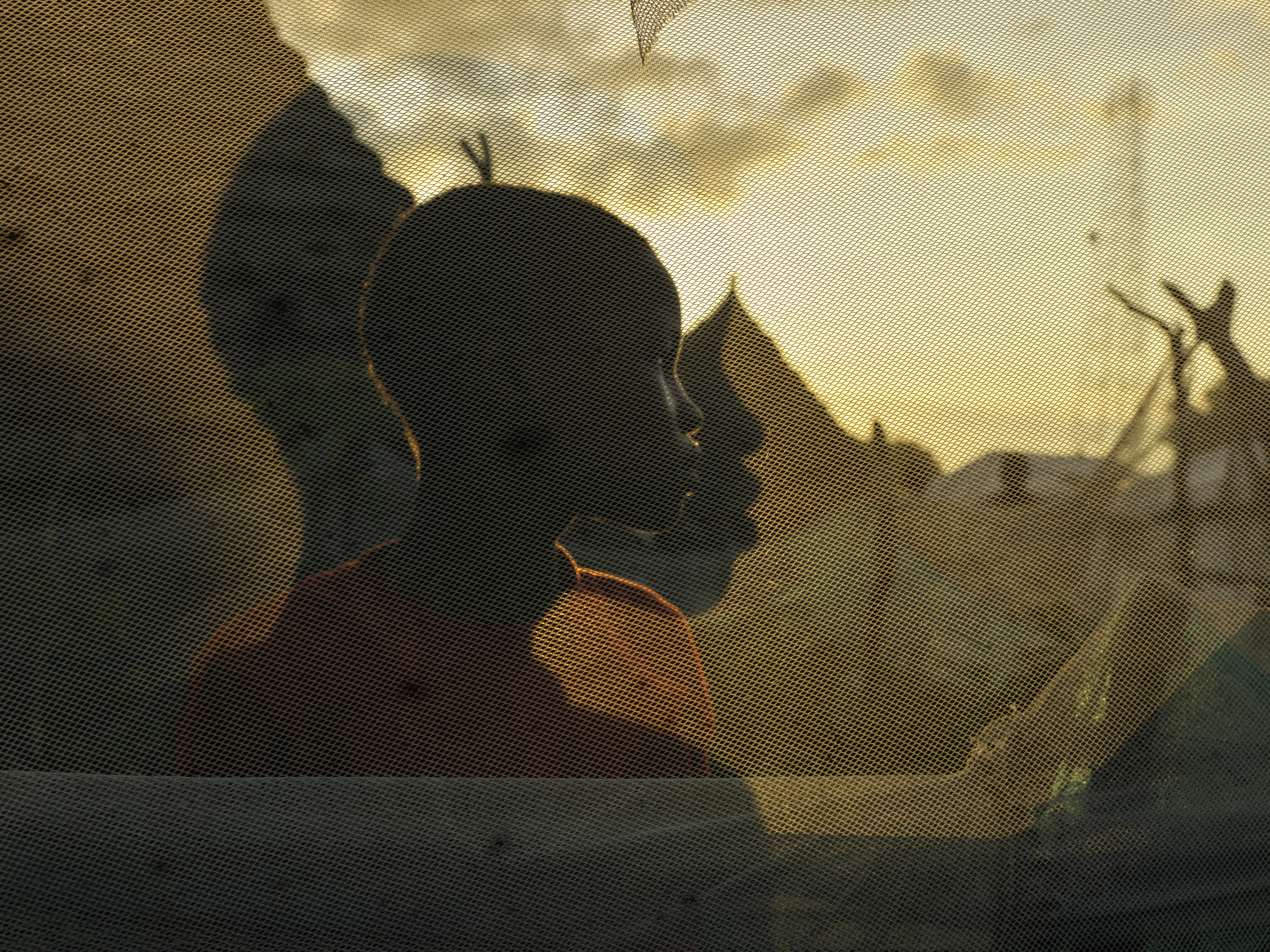
“For me living alone hurts me so much,” says Achut. “I feel lonely.”
“And although there are neighbours around… Sometimes I feel afraid of going to fetch water because of what may happen to me.”
Achut’s relative comes to see her daily, and sometimes she cooks for her, but at night Achut sleeps alone.
“When we came here, it was so difficult for me to live without food.”
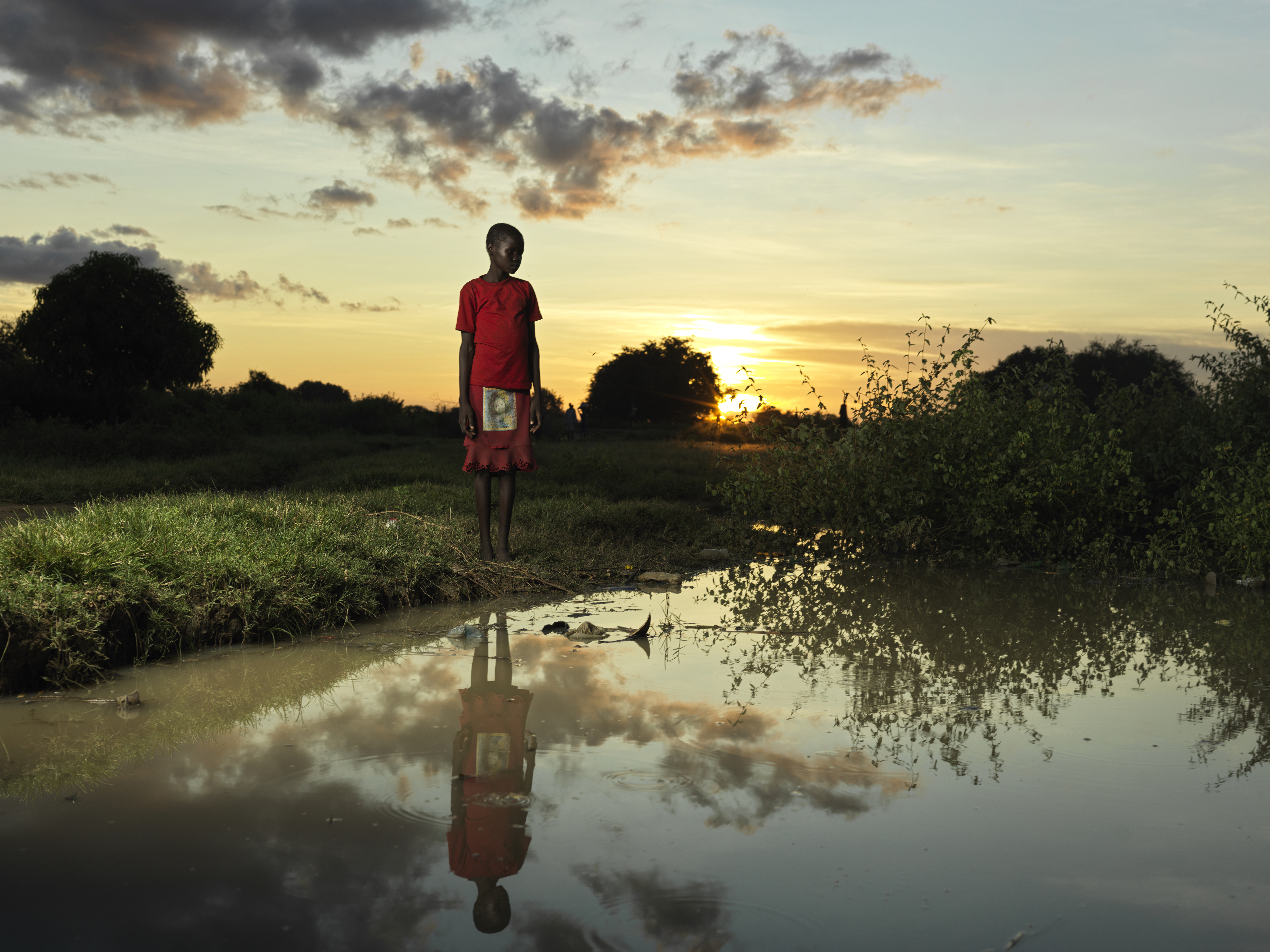
World Vision regularly distributes food at the camp and pays special attention to vulnerable children like Achut who can’t depend on a relative for food and have no other way to survive than through the food distributions held here often.
“If the food that was distributed wasn’t there, then I wouldn’t have anything to eat. I’d have to go to the bush to get something to eat by myself,” says Achut, who, for her age, has to take care of herself like an adult.
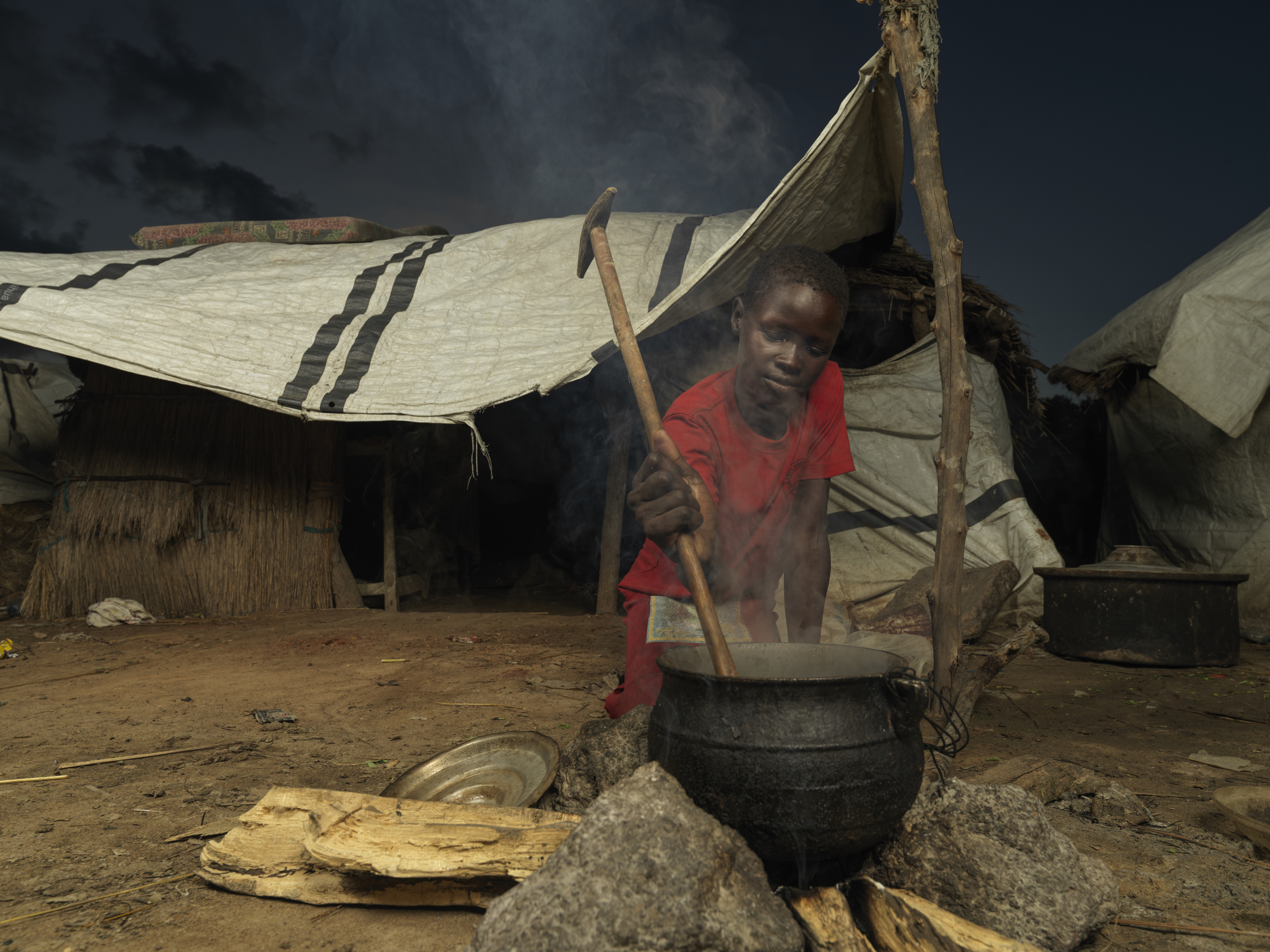
“I cook my own food… When the distribution happens I receive a ration and that’s the food I can cook… I eat plain rice for breakfast… Sometimes I eat cornmeal. I also have it in the evening at times when I have extra,” explains little Achut in detail.
“Sometimes I don’t have breakfast but lunch and then dinner… Sometimes I go without food at night, but it isn’t often because there are always distributions.”
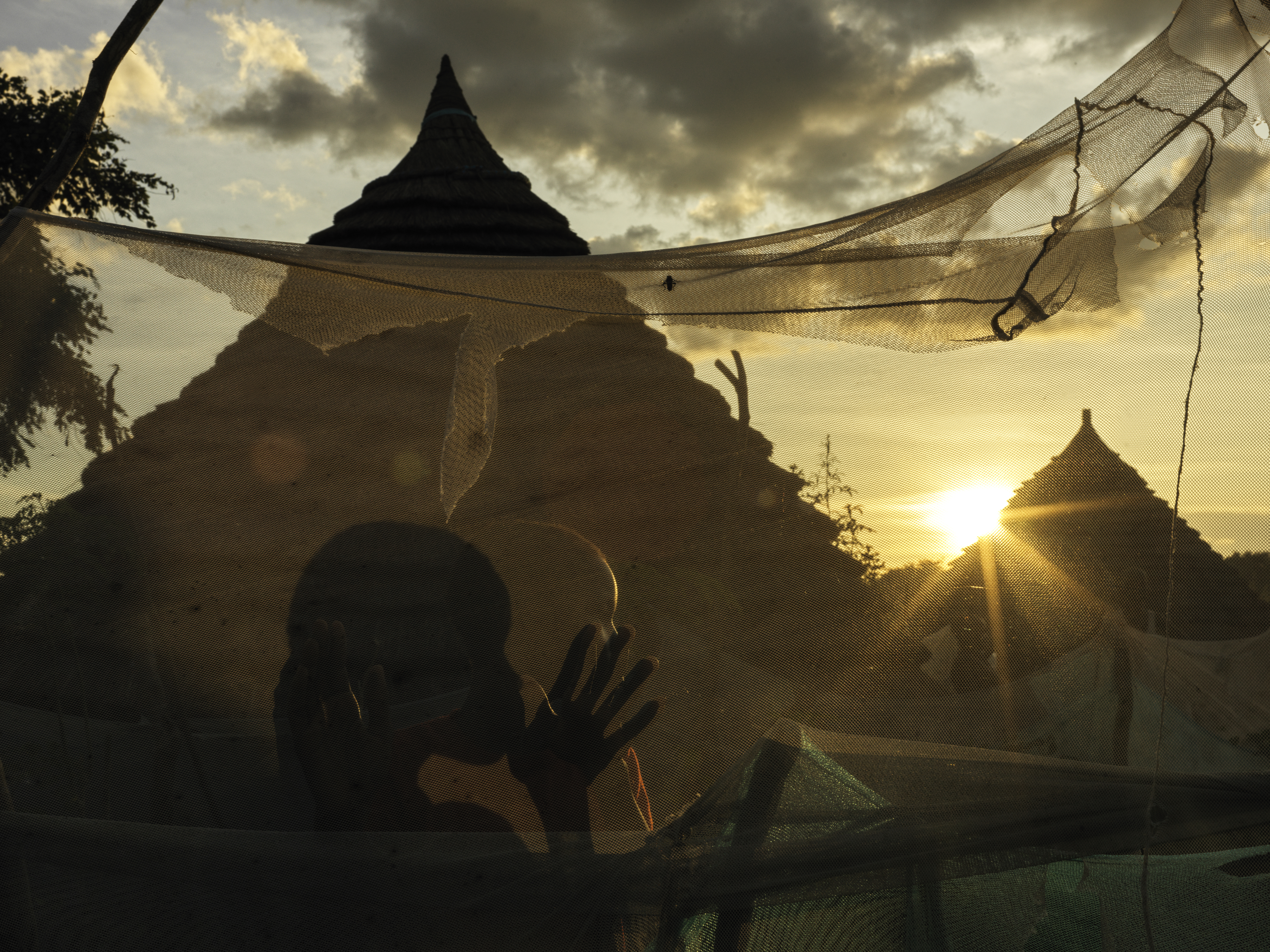
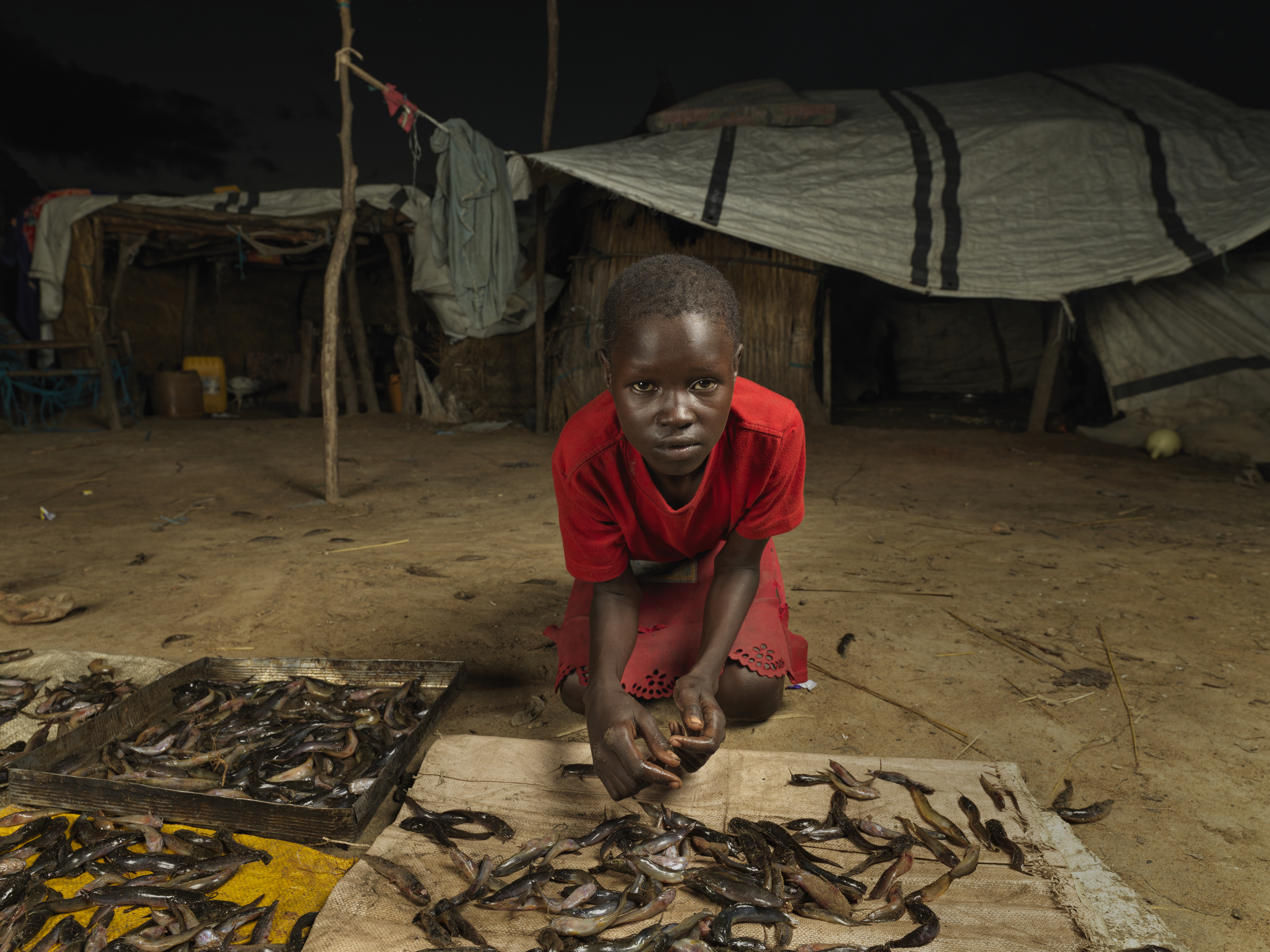
When there is no food Achut finds a way to get wild food. She doesn’t have a fishing net so she uses a mosquito net to catch very small fish.
“I dry them and after that I sell them to buy sugar or I cook them as a sauce and eat… I have two mosquito nets. I use one for fishing and one for sleeping.”
Children around the world share similar stories to that of Achut where sometimes they show the most humbling resilience.
“My message is that I’m grateful that we get some food here although it isn’t enough for us but I hope they continue providing food for us until I grow up and I find my own way of getting food.”
It doesn’t just change a moment in a child’s life. It changes their future. You can be that turning point for another child. Reminding them they are not alone.
Sponsor an orphaned child or children living in conflict-affected areas and give them the gift of peace, hope, and love today.